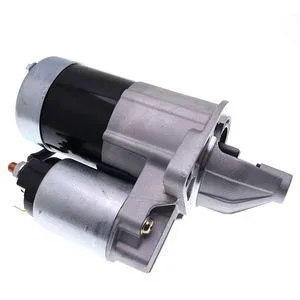
Matched Fuel Circuit Sets — Coil resistance and connector pinout verified against engine serial variant before dispatch to prevent misfit on Perkins and John Deere platforms.
Technical Specifications
| Parameter |
Value |
| Part Number |
RE62240, RE37089, AR48219, AR51796, AR90340, 8094900, 14067411, 15577535, 26435149 |
| Product Type |
Stop Solenoid |
| Cross-Reference |
RE62240, RE37089, AR48219, AR51796, AR90340, 8094900, 14067411, 15577535, 26435149 (reference only) |
| Machine Fitment |
John Deere Tractor 1020, 2020, 2030, 2520, 3010, 3020, 4000, 4020, 4320, 4520, 4620, 5020, 6030; John Deere Combine 3300, 9400; John Deere Harvester 5200, 5400, 7445, 9900, 9910, 9920, 9930; John Deere Loader 210C, 300B, 300D, 310D, 315D; John Deere Hay Cutting 2250, 2270, 2280, 2320, 2420, 3430, 3830 |
| Voltage |
12V |
| Condition |
New Aftermarket |
| Warranty |
3-12 months against manufacturing defects |
| Part Name |
12V Fuel Injection Pump Shutoff Solenoid |
| Manufacturing Standard |
ISO-certified manufacturing |
| Application Platforms |
Perkins 1004-4, Perkins 1006-6T, John Deere 4239D, John Deere 6466T |
Application Suitability
| Engine System |
Related Components |
| Fuel injection pump control circuit |
Injection pump seal kits, fuel line gaskets, pump mounting O-rings |
| Engine shutdown sequencing |
Wiring harness connectors, relay assemblies, ignition switch contacts |
| Fuel delivery regulation |
Mechanical injection pump rebuild kits, fuel filter elements, primer pump diaphragms |
| Electrical control loop |
Coil resistance test points, ground strap connections, fuse and breaker ratings |
Why a Stop Solenoid Fails Again Within Weeks of Replacement
The solenoid is rarely the root cause — it is the symptom of an upstream electrical or fuel contamination fault left unresolved.
In workshop teardowns across Shandong province, I have reviewed too many Perkins and John Deere engines where the stop solenoid engine component was replaced in isolation, only for the machine to return with the same shutdown fault two weeks later. On one John Deere 4020 tractor, the replacement 12V fuel shutoff solenoid failed because a corroded ground strap was feeding intermittent voltage to the coil, causing it to overheat internally without ever triggering a visible external fault. The wiring harness connector showed moisture ingress that had been building for months [NEED_CITE: electrical connector moisture ingress failure patterns in agricultural diesel engines]. Replacing the solenoid without tracing the control signal and ground path simply transfers the failure cycle to the next new unit. A proper fuel shutoff solenoid engine rebuild approach means checking coil supply voltage under load, measuring connector pin resistance, and inspecting fuel contamination levels before the new part goes on the bench.

The Fuel Circuit This Solenoid Belongs To
This 12V stop solenoid sits at the electrical-to-fuel interface on Stanadyne, Roosamaster, and mechanical injection pumps fitted to Perkins 1004-4, 1006-6T, John Deere 4239D, and 6466T engines. Its function is to cut fuel delivery on command during shutdown sequencing, which means it cycles every time the key turns off. That constant thermal cycling through coil energization and de-energization makes it vulnerable to any voltage irregularity in the surrounding circuit. When sourcing stop solenoid replacement parts, the adjacent injection pump seals and fuel line gaskets should be evaluated as a matched set.
Matching the Variant to Your Engine Serial Range
John Deere tractors from the 1020 through 6030 series share similar fuel system architecture but differ in connector pin configuration and coil winding resistance across production years. A stop solenoid that physically fits the pump body may still fail if the coil resistance does not match the engine harness specification. Cross-reference numbers like RE62240 and RE37089 represent superseded designations across different production eras, and confirming which variant applies requires the engine serial number or fuel pump model tag [NEED_CITE: John Deere fuel system part number supersession records]. Perkins platforms carry their own variant distinctions between 1004-4 and 1006-6T applications.
Reading the Specifications That Actually Matter
The 12V rating defines the nominal operating voltage, but coil performance depends on the resistance range matching the engine's electrical system output under load conditions. A coil specified for lower resistance will draw higher current, which can trip protective circuits or overheat wiring not rated for that draw. The ISO-certified manufacturing standard ensures dimensional consistency of the solenoid body and plunger interface with the injection pump fuel gallery. New aftermarket condition means the unit ships with fresh coil windings and sealing surfaces, avoiding the degraded insulation that causes intermittent faults in salvaged units. Compatible applications span construction equipment, agricultural machinery, and mining platforms where these Perkins and John Deere engines operate under sustained load.
The Cost of Skipping Root Cause Diagnosis
Installing a new stop solenoid without verifying the control circuit invites repeat failure that looks identical to the original complaint. The coil burns out from sustained overvoltage, or the plunger sticks from fuel varnish contamination that was never flushed from the injection pump body. Each return visit to the bench adds labor hours and erodes confidence in the replacement parts themselves. Workshops that skip the upstream diagnosis end up replacing the same stop solenoid engine component multiple times before finally tracing the actual fault [NEED_CITE: diesel fuel system contamination diagnostic procedures for injection pump service].
What This Supply Channel Delivers for Fuel System Jobs
Own production lines and qualified sourced supply operate under a single warranty account, so the stop solenoid and its matching seal kit carry identical coverage terms. Eight product categories mean the injection pump gaskets, fuel line fittings, and electrical connectors for the complete fuel circuit ship in one consignment rather than arriving from separate suppliers on different schedules. Minimum order starts at one piece for emergency single-unit repairs. The Guangzhou warehouse stocks common fuel system electrical components for fast dispatch. Part identification works from the OEM reference number, machine model, photograph of the old unit, or nameplate image when markings are worn. Cross-reference verification covers superseded numbers across John Deere and Perkins production eras, and sample supply is available for fitment confirmation before bulk commitment.
Documentation & Verification
- Commercial invoice listing each stop solenoid variant with applicable cross-reference number marked reference only
- Part compatibility sheet confirming engine serial range and fuel pump model match
- Quality inspection record covering coil resistance measurement and functional cycle test before packing
- Warranty terms document specifying coverage period and manufacturing defect scope
- Packing photographs showing solenoid units with protective caps on electrical terminals
- HS code and customs documentation support for international fuel system component shipments
Installation & Rebuild Sequence
- Verify injection pump body is clean and fuel gallery free of varnish before stop solenoid installation
- Confirm connector pin configuration matches engine harness before applying electrical power
- Check coil resistance with multimeter against specification range for the specific engine variant
- Run engine through multiple shutdown cycles to verify consistent fuel cutoff response
- Inspect adjacent fuel line gaskets and pump mounting seals for age-related degradation during the same service window
Sourcing Guidance for This Component
Provide the engine model, serial number, and fuel pump identification tag to confirm which cross-reference variant applies to your platform. If the nameplate is worn or painted over, a photograph of the old solenoid body and connector allows technical verification against fitment records. Include any known rebuild history so the correct size grade and seal kit contents can be matched to the current engine build state.
Frequently Asked Questions
Q: What other fuel system components should be replaced together with the stop solenoid during engine service?
A: Injection pump seal kits, fuel line gaskets, and pump mounting O-rings should be evaluated as a matched set whenever the fuel circuit is opened. Wiring harness connectors showing corrosion or moisture damage should also be replaced to prevent the voltage irregularities that cause repeat solenoid failure. Bundling these items in one consignment avoids split shipments and ensures the complete circuit is addressed during a single service window.
Q: How do I confirm which cross-reference number applies to my specific engine serial variant?
A: Provide the engine serial number and fuel pump model tag for cross-reference verification against superseded part number records. Numbers like RE62240 and RE37089 represent different production eras, and connector pin configuration may differ between variants even when the solenoid body appears identical. A photograph of the old unit and its connector allows technical confirmation when nameplate data is no longer readable.
Q: What upstream fuel system faults commonly cause stop solenoid failure that should be addressed before replacement?
A: Voltage irregularities from corroded ground straps, moisture ingress at the electrical connector, and fuel contamination causing plunger stickage are the most frequent root causes. Measuring coil supply voltage under load and inspecting connector condition before installing a new unit prevents the upstream fault from destroying the replacement. Flushing the injection pump fuel gallery removes varnish buildup that can interfere with plunger movement.
Q: Can the solenoid be supplied as part of a complete fuel system overhaul kit with matched seals and gaskets?
A: Yes, the stop solenoid can be bundled with injection pump rebuild kits, fuel line gasket sets, and replacement electrical connectors for a consolidated fuel system service order. This approach ensures all wear items in the fuel circuit are addressed during the same teardown, reducing the likelihood of a component adjacent to the new solenoid failing shortly after reassembly.