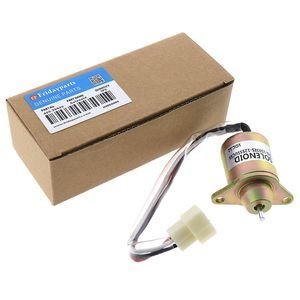
Matched System Components — Stop solenoid 425-35925 shipped alongside verified fuel system seals, injection pump gaskets, and electrical connectors specific to your Yanmar engine build.
Technical Specifications
| Parameter |
Value |
| Part Number |
425-35925 |
| Product Type |
Stop Solenoid |
| Cross-Reference |
425-35925 (reference only), 42535925 (reference only) |
| Machine Fitment |
Gehl SL3635, SL3935, 3640, 3840, 4240, 1448, 154; Mustang 2012, 2022, 2026, 2032, 2041, 2044, 2054 |
| System Voltage |
12V DC |
| Coil Type |
Copper-clad aluminum |
| Seal Material |
EPDM rubber |
| Plunger Rod Material |
Stainless steel |
| Operating Temperature Range |
-25°C to +85°C |
| Fuel Pressure Leak-Tightness |
3 bar |
| Condition |
New Aftermarket |
| Warranty |
3–12 months against manufacturing defects |
| Minimum Order Quantity |
1 piece |
| Standards |
ISO 9001, SAE J1926 |
Application Suitability
| Engine System |
Related Components |
| Fuel Shut-Off Control |
Injection pump O-rings, fuel line gaskets, banjo bolt washers |
| Electrical Actuation Circuit |
Wiring harness connectors, relay terminals, fuse links |
| Engine Overhaul (Top End) |
Cylinder head gasket set, valve stem seals, injector sleeve seals |
| Auxiliary Engine Controls |
Throttle solenoid, idle speed actuator, fuel primer pump diaphragm |
Why an Engine Rebuild Stalls Over a Missing Gasket
A complete fuel system service requires more than the solenoid itself.
When a Yanmar-powered skid steer enters the workshop for a fuel shut-off fault, the stop solenoid is often the visible failure point. Yet the surrounding seals—the injection pump mounting O-ring, the fuel inlet banjo washers, and the return line gaskets—have endured the same thermal cycles and fuel exposure. Replacing the 12V Stop Solenoid engine rebuild component without renewing these adjacent seals frequently leads to a fuel weep within the first fifty operating hours, forcing the machine back into the bay. I have seen repair schedules slip because a single fuel line gasket was sourced from a different supplier on a separate lead time [NEED_CITE: fuel system seal compatibility standards for diesel injection equipment].

The Fuel System Hierarchy Around the Stop Solenoid
This 12V stop solenoid sits at the termination point of the low-pressure fuel supply circuit on Yanmar engines fitted to Gehl and Mustang skid steers. Its function is to cut fuel delivery to the injection pump upon key-off or emergency shutdown command. When planning an engine system service, the solenoid should be evaluated alongside the fuel transfer pump diaphragm, the primary filter head gasket, and the injection pump drive seal, as all share a common failure mode: elastomer degradation from prolonged diesel contact and heat soak.
Engine Serial Variants and Mounting Pattern Differences
Within the Yanmar engine families powering Gehl SL3935 and Mustang 2044 platforms, the stop solenoid mounting flange and plunger stroke can differ between early and late production serial ranges. A solenoid that physically bolts on but has an incorrect plunger travel will either fail to fully seat the fuel rack or bind at full engagement, drawing excessive hold current. Before confirming an order, the engine serial plate and the existing solenoid's mounting hole pattern should be verified against the application list [NEED_CITE: Yanmar engine serial range identification procedures for aftermarket parts].
Reading the Specifications for Workshop Decisions
The EPDM rubber seal specified for this solenoid is selected for its resistance to diesel fuel swelling and its stability across the -25°C to +85°C operating window—critical for skid steers that idle in cold storage and then work at high ambient temperatures near the engine bay. The stainless steel plunger rod resists corrosion from moisture condensation inside the fuel housing, a common issue in machines that sit between seasonal contracts. The 3 bar leak-tightness rating confirms the solenoid maintains a positive seal against fuel system pressure at the injection pump inlet, preventing gravity-fed fuel seepage into the crankcase during extended shutdowns. The copper-clad aluminum coil balances conductivity with weight, and its hold current draw must fall within the machine's ECU expectation window to prevent false open-circuit fault codes after installation.
The Cost of Skipping Root Cause Diagnosis
Replacing a failed stop solenoid without investigating why it failed is a common pathway to repeat failure. If the upstream cause was a wiring harness chafe creating intermittent voltage drops, the new solenoid will experience the same thermal stress from repeated partial engagements. If the fuel system had contamination that scored the plunger bore, the replacement unit will suffer identical damage within a short service period. A proper engine system diagnosis checks the supply voltage at the connector under load, inspects the wiring loom for abrasion at chassis pass-through points, and verifies fuel cleanliness before the new solenoid is energized [NEED_CITE: diesel fuel contamination particle count standards for injection systems].
Why Engine Rebuild Shops Source This Component Here
Our production and sourcing lines cover the stop solenoid alongside the full fuel system seal set, meaning the overhaul kit and the electrical actuation component ship under one account and one warranty. The technical team verifies the engine serial variant against the mounting pattern and connector type before dispatch, preventing the situation where a solenoid arrives but the plug does not mate. Cross-reference verification extends to superseded part numbers, so an older machine with a discontinued OEM reference can still be matched to a current production variant. A single piece can be ordered as a sample for fitment confirmation before a distributor commits to shelf stock for their regional Yanmar-equipped fleet [NEED_CITE: aftermarket cross-reference verification methodologies for engine components].
Documentation & Verification
- Commercial invoice listing each fuel system seal and the stop solenoid as line items
- Cross-reference sheet mapping 425-35925 (reference only) to superseded and alternate numbers
- Pre-shipment test record showing voltage drop, engagement time, and leak-tightness validation
- Warranty terms covering manufacturing defects for the stated period from dispatch date
- Packing photographs confirming seal integrity and connector cap protection before crate closure
- HS code classification and customs documentation for fuel system electrical components
Installation & Rebuild Sequence
- Verify engine serial number against the solenoid mounting flange pattern before unsealing the component
- Clean the injection pump solenoid bore with lint-free cloth and inspect for scoring or residue buildup
- Install new EPDM seal and confirm the plunger rod moves freely through full stroke without binding
- Torque the mounting fasteners to the Yanmar service specification for the specific engine variant
- Connect the electrical harness and verify hold current draw falls within specification before fuel system pressurization
- Perform a functional test by cycling the key-off shutdown sequence and confirming immediate fuel rack closure
Quoting the Complete Fuel System Job
To confirm compatibility and consolidate your fuel system service into a single shipment, provide the Yanmar engine model, the engine serial number from the identification plate, and the machine model designation. If the existing solenoid's label is illegible, a photograph of the mounting flange and electrical connector allows our technical team to verify the correct variant. For repair centres planning an overhaul, include the full list of adjacent components required so the matched gasket set and seals can be bundled with the solenoid.
Frequently Asked Questions
Q: What fuel system seals should be renewed when replacing this stop solenoid?
A: The injection pump mounting O-ring, fuel inlet and return banjo washers, and the solenoid body seal should all be replaced during the same service event. These elastomers experience the same thermal and chemical exposure as the solenoid seal. Bundling them into one shipment prevents a fuel weep from forcing a second teardown shortly after the initial repair is completed.
Q: Do different Yanmar engine serials within the same Gehl model require different solenoids?
A: Yes. Within a single Gehl skid steer model, the Yanmar engine may span two or more production serial ranges that differ in solenoid mounting hole spacing and plunger travel length. Providing the engine serial number from the identification plate allows verification of the correct variant before dispatch, preventing a physical fit that still results in improper fuel rack engagement.
Q: How do I confirm the solenoid matches my machine's ECU control logic?
A: The ECU monitors hold current draw and expects a value within a defined window. This solenoid's coil specification is matched to the Yanmar ECU parameters for the listed applications. After installation, verify the actual hold current at the connector with a multimeter and confirm no open-circuit or short-circuit fault codes are present in the machine's diagnostic display.
Q: Can I order a matched overhaul kit that includes this solenoid and seals?
A: A complete engine overhaul gasket set, fuel system seal kit, and this stop solenoid can be consolidated into a single shipment under one purchase order. Provide the engine model and serial number so the kit contents are verified against the specific engine build configuration, ensuring no items are missing for the particular variant in your workshop.