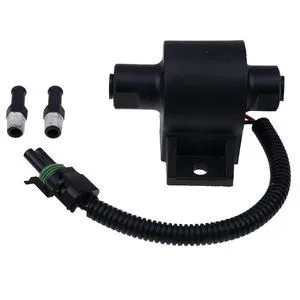
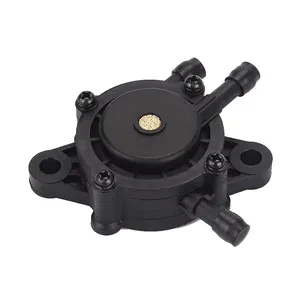
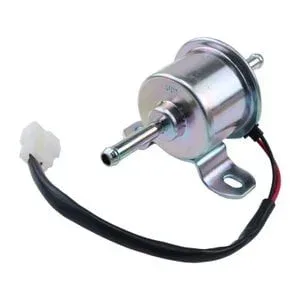
Engine Serial Variants Confirmed — Yanmar 3TNV and 4TNV families carry different fuel system configurations, so this 12V Fuel Pump AM876266 engine replacement is validated against engine serial before dispatch.
Technical Specifications
| Parameter |
Value |
| Part Number |
AM876266, AM876207 |
| Cross-Reference |
AM876266 (reference only), AM876207 (reference only), 2803-3000 (reference only), 28033000 (reference only) |
| Product Type |
Fuel Pump |
| Machine Fitment |
260, 332, 430, 655, 755, 756, 790, 855, 856, 990, 2520, 2720, 3005, 3120, 3203, 3320, 3520, 3720, 4005, 4105, 1023E, 1025R, 1026R, 2025R, 2026R, 2027R, 2032R, 2036R, 2038R, 3025D, 3025E, 3028EN, 3032E, 3033R, 3035D, 3036E, 3036EN, 3038E, 3038R, 3039R, 3043D, 3045R, 3046R, 4044M, 4044R, 4049M, 4049R, 4052M, 4052R, 4066M, 4066R, 4075R, 997, 1435, 1445, 1505, 1515, 1545, 1550, 1565, 1570, 1575, 1580, 1585, 1600, 1905, 2550, 2700, 2750, 7200, 7400, 7500, 7700, 8000, 8400, 8500, 8700, 8800, 2500B, 2500E, 2653B, 3225C, 3235C, 3245C, 6080A, 6500A, 6700A, 7200A, 7400A, 7500A, 7700A, 8000A, 8700A, 8800A, 8900A, 9009A, F735, F915, F925, F935, Z994R, Z997, Z997R, 110, 110TLB, 2020, 2030, 2030A, E18ZS |
| Brand Compatibility |
Compatible with John Deere and Yanmar engine platforms |
| Voltage |
12V |
| Operating Pressure |
14–16 psi |
| Housing Material |
Aluminum |
| Operating Temperature |
-40°C to 120°C |
| IP Rating |
IP67 |
| Condition |
New Aftermarket |
| Warranty |
3–12 months against manufacturing defects |
| Standards |
ISO 9001 |
Application Suitability
| Engine System |
Related Components |
| Fuel delivery — primary lift pump for Yanmar 3TNV / 4TNV diesel engines |
Fuel filter element, fuel lines, injector return hose |
| Low-pressure supply circuit for compact tractor and mower platforms |
Inline fuel strainer, tank pickup tube, primer bulb assembly |
| Engine overhaul fuel system refresh |
Fuel pump gasket, mounting hardware, electrical connector pigtail |
| Electrical supply subsystem verification |
Wiring harness connector, relay, fuse rated for 12V fuel pump circuit |
Why a New Fuel Pump Fails Again Within Weeks
A replacement pump is only as reliable as the system feeding and protecting it.
I once watched a customer install a fresh 12V Fuel Pump AM876266 engine replacement on a Yanmar-powered compact tractor, fire it up, and declare the job done. Three weeks later, the engine seized. The root cause was never the pump itself — it was debris from a degraded tank lining and a collapsed fuel line that the new pump dutifully pulled into the injection system. Replacing the pump without diagnosing the fuel delivery path simply moved the failure downstream [NEED_CITE: diesel fuel system contamination root cause analysis methods]. This pattern repeats across repair bays: the pump gets the blame, but the filter, lines, and tank condition were never inspected. A system-level approach starts with the tank and ends at the injectors, treating the pump as one node in a circuit that either works together or fails together.

Fuel System Adjacency: What Else Fails When the Pump Fails
Every component upstream and downstream of this 12V Fuel Pump AM876266 engine replacement influences its service life. A clogged fuel filter forces the pump to work against higher suction resistance, accelerating wear on the internal diaphragm or impeller. Degraded rubber fuel lines shed particulate that scores pump internals and travels onward to injectors. On Yanmar 3TNV and 4TNV platforms, the injector return circuit can introduce air into the low-pressure side if the return hose is cracked, causing the pump to cavitate and lose prime during hot-restart conditions. Checking the full fuel circuit — not just the pump — before and after installation prevents the repeat failure that turns a straightforward swap into a diagnostic nightmare.
Electrical Supply: The Overlooked Half of the Diagnosis
Before unbolting the old pump, measure voltage at the connector under load. A corroded terminal or undersized wiring run can drop the 12V Fuel Pump AM876266 engine replacement below its operating threshold, causing it to spin slowly and deliver insufficient pressure. [NEED_CITE: automotive 12V DC fuel pump electrical diagnostic procedures] This is especially common on older utility vehicles where harness insulation has cracked from heat cycling near the engine bay. Verifying the supply side takes minutes and rules out a class of failures that a new pump alone will never fix. If the connector pins show green corrosion or the housing shows heat discoloration, replacing the connector pigtail alongside the pump is prudent.
Decoding Pressure and Protection Ratings
The 14–16 psi operating pressure range positions this pump correctly for low-pressure lift duties in Yanmar diesel applications, where the injection pump draws fuel under positive pressure from the lift circuit. Operating outside this window — either from a blocked filter raising backpressure or a voltage drop reducing output — pushes the system toward vapor lock or fuel starvation at high ambient temperatures. The aluminum housing provides heat dissipation advantage over plastic-bodied alternatives in engine-bay installations where radiant heat from exhaust manifolds is constant. IP67 ingress protection means the pump can withstand temporary submersion and dust penetration, which matters for agricultural tractors operating in dusty fields and compact loaders on muddy construction sites. The -40°C to 120°C operating range covers cold-crank scenarios in winter storage and sustained high-load operation in summer mowing seasons without material degradation in seals or housing gaskets.
The Hidden Cost of Skipping System-Level Diagnosis
Replacing this pump without inspecting the filter, lines, and electrical supply turns a single-component swap into a repeating cycle of downtime. The new pump absorbs the abuse that degraded lines and clogged filters create, wearing out in a fraction of its expected service life. [NEED_CITE: diesel engine fuel system preventive maintenance scheduling] The repair shop then faces a credibility problem — the customer sees the same symptom return and questions whether the first diagnosis was correct. On fleet-level maintenance, this pattern compounds: multiple machines in a rental fleet or contractor fleet each consuming two or three pumps per year instead of one, with each repeat visit consuming labor hours, freight cost, and machine availability. System-level diagnosis is not optional — it is the difference between a permanent repair and an expensive recurring appointment.
Why Procurement Support Matters Here
Our own production lines and qualified sourced supply operate under one account and one warranty, so whether the fuel pump ships alone or alongside a full overhaul gasket set, the quality standard is identical. Eight product categories mean a complete fuel system job — pump, filters, gaskets, connectors, and seal kits — consolidates into a single consignment from a Guangzhou warehouse. Part identification works from a part number, machine model, photograph, or even a painted-over nameplate image. Cross-reference verification covers superseded numbers like AM876207, ensuring you receive the correct variant for your specific engine serial. Sample supply is available for fitment confirmation before bulk commitment, and our technical team can verify compatibility and grade against your engine rebuild history.
Documentation & Verification
- Commercial invoice listing AM876266 and AM876207 with declared HS codes for customs clearance
- Part compatibility sheet cross-referencing Yanmar 3TNV / 4TNV engine serial variants (reference only)
- Quality inspection record documenting flow rate and pressure test at rated voltage
- Warranty terms specifying coverage scope for 3–12 months against manufacturing defects
- Packing photographs showing unit condition and connector integrity before crate closure
Installation & Rebuild Sequence
- Clean the fuel tank interior and flush lines before connecting the new pump to prevent immediate contamination
- Verify electrical connector pin match and apply dielectric grease to terminals before mating
- Torque mounting hardware to specification — overtightening distorts the aluminum housing and compromises gasket seal
- Prime the system by cycling the ignition without cranking, then check for leaks at both inlet and outlet fittings
- Run the engine at idle and monitor fuel pressure at the injection pump inlet to confirm the 14–16 psi range
Requesting a Fitment-Verified Quote
Provide your engine model, serial number, and any known rebuild history so we can confirm the correct Yanmar variant and match the fuel system configuration. If the nameplate is worn or painted over, send a photograph of the engine block casting numbers and the existing pump connector. Include details of any concurrent fuel system work — filter changes, injector service, or tank cleaning — so we can prepare a matched component list that ships together.
Frequently Asked Questions
Q: What other fuel system components should I inspect or replace when changing the pump?
A: Inspect the fuel filter element for bypass indication, check all rubber fuel lines for internal collapse and external cracking, examine the tank pickup strainer for debris, and verify the injector return hose for air ingress. On Yanmar platforms, the primer bulb assembly and fuel shutoff solenoid should also be evaluated. Replacing degraded hoses and a fresh filter alongside the pump prevents early repeat failure.
Q: How do I confirm which Yanmar engine serial this pump fits?
A: The Yanmar 3TNV and 4TNV engine families have fuel system variations across production runs. Provide the full engine serial number from the identification plate or block casting. We cross-reference the serial against the compatibility list to confirm whether your specific build uses this pump variant or requires an alternate configuration for correct port orientation and connector type.
Q: Can a failing fuel filter or degraded fuel line cause this pump to fail prematurely?
A: Yes. A restricted filter increases suction-side resistance, forcing the pump to work beyond its design load and accelerating internal wear. Degraded fuel lines shed rubber particulate that scores pump internals and can travel downstream to damage injectors. Collapsed hoses also cause cavitation. Always evaluate the full fuel circuit, not just the pump, during diagnosis.
Q: Is the electrical connector the same across all John Deere models listed?
A: Connector type can vary between model series and production years within the John Deere platform. Before ordering, confirm your existing connector pin configuration and housing shape against our compatibility reference sheet. If a mismatch is found, we can supply a matching pigtail or adapter to ensure correct mating without modifying the vehicle harness.
Q: What test data is available to confirm pump performance before shipment?
A: Each unit ships with a quality inspection record showing flow rate measured at 12V, operating pressure verified within the 14–16 psi range, and a no-leak confirmation at all fittings. This documentation is included with the shipment and can be requested in advance for fleet-level quality assurance records or rebuild shop verification requirements.