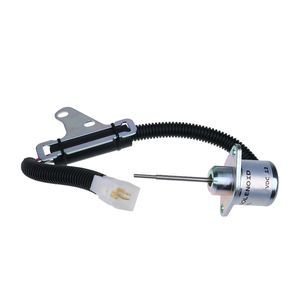
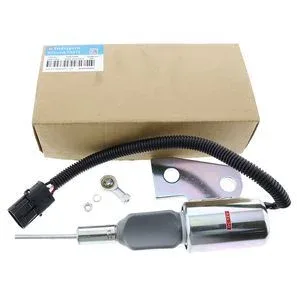
Engine Sequence Variants Confirmed — Woodward-compatible 1502-12A2U1B2 verified against fuel shutoff circuit build and governor linkage type before dispatch.
Technical Specifications
| Parameter |
Value |
| Part Number |
1502-12A2U1B2 |
| Product Type |
Stop Solenoid |
| Cross-Reference |
150212A2U1B2, 1500-2114, 15002114 (reference only) |
| Machine Fitment |
Woodward engine control systems (construction equipment, agricultural machinery, industrial generators) |
| Voltage |
12V |
| Voltage Tolerance |
±10% |
| Coil Type |
Precision-wound copper coils |
| Contact Material |
Gold-plated electrical contacts |
| Response Time |
≤0.3 seconds |
| Operating Temperature |
-40°C to 120°C |
| IP Rating |
IP65 |
| Vibration Resistance |
5G |
| Mounting |
Reinforced mounting bracket |
| Condition |
New Aftermarket |
| Warranty |
3-12 months against manufacturing defects |
| Minimum Order |
1 piece |
Application Suitability
| Engine System |
Related Components |
| Fuel shutoff circuit |
Fuel rack linkage, governor control arm, shutoff lever return spring |
| Electrical control loop |
Wiring harness connectors, control relay, fuse and circuit breaker |
| Engine shutdown safety system |
Key switch, emergency stop button, shutdown timer module |
| Fuel delivery assembly |
Fuel shutoff valve seals, linkage bushings, mounting gasket |
Why Replacing the Stop Solenoid Alone Keeps Bringing the Machine Back
A burnt stop solenoid is usually the symptom, not the disease. In African mining camps I have watched crews swap a failed Woodward-compatible solenoid only to see the replacement fail weeks later because the root cause — a sticking fuel shutoff valve or a voltage spike from a failing alternator — was never addressed. [NEED_CITE: common causes of stop solenoid coil failure in mobile diesel engine applications]
When a stop solenoid engine replacement is ordered in isolation, the real fault often hides in the wiring harness, a corroded connector, or a fuel cutoff linkage that has worn past its adjustment range. The new coil energises, pulls the lever, and then overheats trying to hold position against mechanical resistance it was never designed to overcome.
The Fuel Shutoff Circuit as a System
This stop solenoid sits at the boundary between the electrical control circuit and the mechanical fuel delivery system. When the ignition key turns off or an emergency stop signal fires, the 12V coil energises and pulls the fuel rack to the no-fuel position through the governor linkage. If the linkage is binding, or the fuel shutoff valve spool has scored its bore from contaminated diesel, the solenoid stalls under load and the coil burns out. A proper stop solenoid engine replacement begins with a continuity check on the control relay, an insulation test on the wiring harness, and a manual feel test on the fuel rack movement before the new unit is installed.
Engine Serial Variants and Solenoid Specification Drift
Woodward engine control systems were adapted across multiple equipment generations, and the same base solenoid design may appear with different connector types, bracket orientations, or pull-stroke lengths depending on the governor model fitted at the factory. An engine that was rebuilt once may already carry a non-standard governor arm that changes the required solenoid throw. [NEED_CITE: Woodward governor system variant identification procedures for field service] Checking the engine serial number against the Woodward system build sheet prevents receiving a solenoid that powers up but cannot fully close the fuel rack — a condition that looks like a defective part but is actually a fitment mismatch.
Reading the Specifications That Matter in the Field
The 12V rating with ±10% tolerance means this solenoid operates safely between 10.8V and 13.2V. In practice, a charging system pushing 14.5V continuously — common when voltage regulators begin to fail — will overheat the precision-wound copper coils over time, degrading insulation until the coil shorts internally. The IP65 rating protects against dust ingress and low-pressure water jets, which matters when engine compartments are washed down between shifts on a mine site. Gold-plated electrical contacts resist the galvanic corrosion that builds up on exposed connectors in high-humidity environments, maintaining reliable circuit completion through thousands of shutdown cycles. The reinforced mounting bracket absorbs vibration transmitted through the engine block, rated at 5G to survive the harmonic shaking typical of mid-range diesel engines under load. [NEED_CITE: IP65 environmental protection rating standards for automotive electrical components]

The Cost of Skipping the System Diagnosis
I have seen machines return to the workshop three times in a single season because each repair stopped at swapping the solenoid. The third time, the technician finally traced the fault to a chafed wire in the harness that was feeding intermittent voltage spikes into the coil every time the machine traversed rough ground. By then, three solenoids and several days of cumulative downtime had been spent on a problem that a twenty-minute wiring inspection would have caught on the first visit. [NEED_CITE: electrical fault diagnosis procedures for engine shutdown circuits in heavy equipment]
Why Source This Component Through XUNPO
Our own production lines and qualified sourced supply operate under one account and one warranty, so the stop solenoid and its companion relays or connectors ship with identical quality terms. Eight product categories under one roof mean the wiring connectors, fuel system seals, and control relays that belong on the same repair list leave our Guangzhou warehouse in a single consignment. Minimum order is one piece, so an emergency single-unit replacement ships without padding the order. Part identification works from the OEM reference number, the machine model, a photograph of the nameplate, or an image of the old solenoid's connector and bracket — whichever is legible on your end. Cross-reference verification covers superseded numbers and variant builds, and sample supply is available for fitment confirmation before you commit to a bulk order.
Documentation & Verification
- Commercial invoice listing 1502-12A2U1B2 with HS code for customs clearance
- Cross-reference sheet mapping 1500-2114 and superseded numbers (reference only)
- Coil resistance and activation test recorded per unit before dispatch
- Warranty terms covering manufacturing defects for 3-12 months
- Packing photographs showing solenoid and companion components before crate closure
Installation & Rebuild Sequence
- Inspect fuel rack travel by hand before mounting the new solenoid to confirm free movement
- Clean all wiring harness connector pins and apply dielectric grease to prevent moisture-related corrosion
- Verify control relay switching function with a multimeter before connecting the solenoid circuit
- Torque mounting bracket bolts to specification to prevent vibration-induced loosening on the engine block
- Perform three consecutive shutdown cycles after installation to confirm full fuel rack closure each time
- Check charging system voltage at the solenoid connector to rule out overvoltage from a failing alternator
Requesting a Fitment-Confirmed Quote
Provide your engine model, Woodward governor system designation, and engine serial number so we can verify the correct solenoid variant and connector type. If the nameplate is illegible, send a photograph of the existing solenoid's bracket and connector alongside any visible casting numbers. Mention any prior rebuild history or known wiring modifications so we can flag potential compatibility issues before dispatch.
Frequently Asked Questions
Q: What other components should I inspect when the stop solenoid fails?
A: Check the control relay for pitted contacts, test the wiring harness for insulation breakdown and intermittent shorts, and manually verify that the fuel shutoff linkage moves freely through its full travel. A binding linkage or failing relay will destroy a replacement solenoid just as quickly as it killed the original unit.
Q: How do I confirm which solenoid variant my Woodward system needs?
A: The engine serial number and Woodward governor model designation determine the correct bracket orientation, connector type, and pull-stroke length. Send us these details or a photograph of the existing unit, and we cross-reference against the system build records to confirm the match.
Q: Can you supply matched relays and wiring connectors with the solenoid?
A: Yes. Control relays, wiring harness connectors, and fuel shutoff linkage components can ship in the same consignment. Coordinating these together ensures the entire shutdown circuit is refreshed during the repair rather than leaving aged components to cause the next failure.
Q: What typically causes repeated stop solenoid failure?
A: Common root causes include voltage spikes from failing alternators, moisture ingress corroding internal coil windings, mechanical binding in the fuel rack linkage forcing the coil to stall under load, and contaminated wiring connectors creating resistance that generates heat at the contact point.