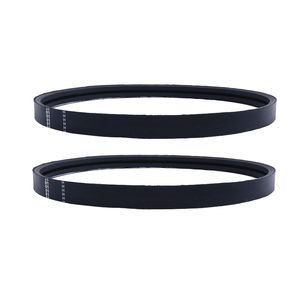
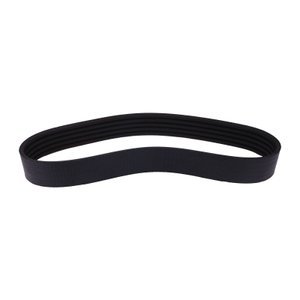
Matched Sets Dispatch — This wheel drive belt ships alongside tensioners, idler pulleys, and overhaul gaskets from a single engine-system account, ensuring the full belt drive loop arrives together for uninterrupted rebuild sequencing.
Technical Specifications
| Parameter |
Value |
| Part Number |
265-458 |
| Product Type |
Belt |
| Cross-Reference |
1323288, 6586BR, 12-9257, 75-177 (reference only) |
| Machine Fitment |
M15KA322P, M15KA362, M15KA362P, M15KA483, M15KA483P, M16KA322P, M16KA362, M16KA362P, M16KA483, M16KA483P, M32-12.5K-5, M32-12.5KO-5, M32-8.5B-5, MG16KA362, MG16KA362CA, MG16KA362P, MG16KA483, MG16KA483CA, MG16KA483P, MG481KA362, MG481KA362CA, MG481KA362P, MG481KA483, MG481KA483CA, MG481KA483P |
| Brand Compatibility |
Exmark Metro Mowers (replacement for) |
| Material |
High-tensile synthetic rubber compound with reinforced polyester cord |
| Length Tolerance |
±0.8 mm |
| Surface Hardness |
Shore A 72±3 |
| Torque Load Capacity |
25–35 N·m |
| Operating Temperature |
Up to 55°C |
| Condition |
New Aftermarket |
| Warranty |
6-month warranty against manufacturing defects |
| MOQ |
1 piece |
| Standard |
ISO 9001 |
Application Suitability
| Engine System |
Related Components |
| Crankshaft-Driven Traction Drive |
Idler pulley assemblies, tensioner springs, crankshaft pulley |
| Accessory Belt Loop (Shared Front-End) |
Alternator drive belt, coolant pump pulley, front seal kit |
| Engine Overhaul (Top-End) |
Cylinder head gasket set, valve cover gasket, tensioner bearing |
| PTO / Deck Drive Interface |
Deck spindle bearings, secondary drive belt, clutch assembly |
Why the Root Cause of Belt Failure Must Be Diagnosed Before Ordering a Replacement
A torn wheel drive belt is usually a symptom of misalignment, seized idler bearings, or a failing tensioner spring, not the primary failure itself.
In commercial landscaping fleets, replacing the belt without inspecting the front-end accessory drive often results in the new belt shredding within weeks. I have seen walk-behind mower engines returned to the shop because the rebuild team only swapped the rubber component. When the pulley alignment or idler resistance is ignored, the new belt absorbs the same destructive lateral forces [NEED_CITE: belt drive misalignment and premature failure diagnostics for small engines]. This is why verifying the engine serial range and the condition of adjacent hardware is mandatory before finalizing a wheel drive belt engine rebuild replacement order.

The Belt's Role in the Engine Power Transfer Loop
This component sits at the front of the engine block, transferring crankshaft torque to the hydrostatic pump or wheel drive transaxle. Because it shares the front-end accessory drive space with cooling and charging systems, a failure here affects engine temperature and electrical output. A proper wheel drive belt engine rebuild replacement must account for the entire serpentine or V-belt routing path to ensure wrap angles remain correct under peak load.
Engine Serial Variants and Mismatched Lengths
Manufacturers frequently update pulley diameters or tensioner arm geometries across engine generations, even when the mower model number remains unchanged. A Kawasaki FD or Kohler Command variant may require a different belt length or cord construction. We verify the exact engine serial number against service manual revisions to prevent fitment errors [NEED_CITE: engine serial variant cross-referencing for aftermarket belt fitment].
Decoding Material and Hardness for Mower Duty Cycles
The Shore A 72±3 hardness balances the flexibility needed to route around small-diameter idler pulleys with the rigidity required to transmit 25–35 N·m of torque without slipping. The reinforced polyester cord provides the tensile strength to resist stretching during the sudden load spikes common when a mower engages wet grass or climbs an incline. The high-tensile synthetic rubber compound is formulated to resist ozone cracking and heat buildup up to 55°C in enclosed mower decks.
The Hidden Cost of Ignoring Adjacent Pulley Wear
Installing a new belt onto a worn, out-of-round pulley causes localized heat spots that rapidly degrade the rubber compound. A seized idler bearing generates enough friction to melt the belt backing. Rebuild shops that skip the system-level inspection face repeat warranty claims and frustrated fleet operators who measure downtime in lost contracts [NEED_CITE: systemic failure analysis in engine-driven traction systems].
Why Rebuild Shops Source Engine Systems Here
We supply the belt, the tensioner assembly, and the front seal kit under one account, eliminating the mismatched lead times that stall engine rebuilds. Our technical team verifies cross-reference numbers against superseded OEM listings to ensure the 265-458 variant matches your specific engine build. Samples are available for fitment confirmation before bulk commitment, and every shipment includes a compatibility sheet marked for identification purposes.
Documentation & Verification
- Commercial invoice and packing list detailing belt quantities and matched tensioner kits.
- Part compatibility and cross-reference sheet for 265-458 and superseded numbers (reference only).
- Quality inspection record confirming Shore A hardness and ±0.8 mm length tolerance.
- Warranty terms covering manufacturing defects for six months from dispatch.
- Packing photographs showing belt coils and hardware secured against transit abrasion.
- HS code and customs documentation support for international engine parts freight.
Installation & Rebuild Sequence
- Verify crankshaft pulley runout and idler bearing play before routing the new belt.
- Clean all pulley grooves with solvent to remove oil residue that causes slip.
- Route the belt according to the service manual diagram, ensuring correct contact pressure.
- Apply specified torque to the tensioner arm and verify deflection meets manual specs.
- Run the engine at idle for ten minutes, then re-check tension after initial heat cycle.
Request System-Level Fitment Support
Provide your engine model, serial number, and any previous overhaul records so we can confirm the correct belt variant and identify which adjacent components should be replaced simultaneously. This ensures your wheel drive belt engine rebuild replacement resolves the root cause rather than repeating the failure cycle.
Frequently Asked Questions
Q: Does this belt fit both Kawasaki and Kohler engine variants on the same mower model?
A: Not always. While the mower chassis may share a model number, the engine front-end accessory drive geometry often differs between Kawasaki and Kohler installations. We require the specific engine serial number to verify whether the 265-458 length and routing profile match your exact configuration, preventing misalignment and premature wear.
Q: What other components in the drive system should be inspected or replaced together?
A: We strongly recommend inspecting the idler pulley bearings for smooth rotation and checking the tensioner spring for fatigue or corrosion. If the engine is undergoing a major service, replacing the front crankshaft seal and verifying the crankshaft pulley alignment ensures the new belt operates within its designed load parameters.
Q: How do I confirm the correct belt length when superseded part numbers exist?
A: Manufacturers frequently supersede part numbers when pulley diameters or tensioner designs change across production years. We cross-reference your engine serial number against current service manual revisions, not just old catalog listings, to ensure the ±0.8 mm length tolerance matches the current drive loop requirements.
Q: Can I get matched sets of belt, tensioner, and idler for a complete system rebuild?
A: Yes. We consolidate the belt, tensioner assembly, idler pulleys, and associated hardware into a single shipment. This prevents the situation where the main component arrives but a critical mounting bracket or spring is on backorder from a different supplier, keeping your engine rebuild on schedule.
Q: What engine serial ranges require a different belt specification within the same model family?
A: Certain production runs introduced revised front-end accessory drives that altered the belt routing path or required a different cord construction. By providing your engine serial number, we can identify if your unit falls within a range that requires a specific variant, ensuring the surface hardness and torque load capacity match the factory engineering specification.