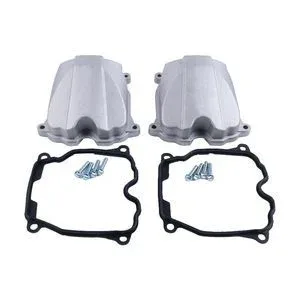
Engine Rebuild Kit Matched — Gasket compound, bolt yield spec, and cover flatness verified against cylinder head mating surface for Can-Am V-twin platforms.
Technical Specifications
| Parameter |
Value |
| Product Type |
Valve Cover |
| Part Number |
420610393, 420610395, 420610394, 420610390 |
| Cross-Reference |
420610393, 420610395, 420610394, 420610390 (reference only) |
| Machine Fitment |
Can-Am Outlander 400–1000, Renegade 500–1000, Commander 800–1000, Maverick 800–1000, Defender HD5–HD10 |
| Material |
Aluminum die-cast cover, nitrile rubber gasket, grade 8.8 stainless steel bolts |
| Kit Contents |
Valve cover, pre-cut gasket, matched stainless steel bolts |
| Gasket Temperature Resistance |
up to 150°C |
| Dimensional Tolerance |
±0.05 mm |
| Condition |
New Aftermarket |
| Warranty |
6-month warranty against manufacturing defects |
| Standards |
ISO 9001, ISO 8502-3, SAE J2044 |
| MOQ |
1 piece |
Application Suitability
| Engine System |
Related Components |
| Top-End Rebuild (V-twin) |
Valve stem seals, cam chain tensioner, cylinder head gasket |
| Crankcase Sealing System |
PCV valve, breather hose, crankcase ventilation grommets |
| Preventive Major Service |
Spark plug well seals, valve cover bolt washers, throttle body gasket |
| Fleet Maintenance Program |
Engine oil, oil filter, valve clearance feeler gauges |
Why a Valve Cover Swap Fails Before the Next Oil Change
A valve cover replacement that ignores gasket material compatibility or bolt torque sequence often leads to repeat oil leaks within months. When a rebuild does not verify the cam cover mating surface condition, the new kit is compromised from day one. Oil migration into spark plug wells is frequently misdiagnosed as simple gasket wear, when the root cause sits upstream in the PCV system or valve stem seals. I have seen Can-Am Outlander V-twin engines return to the bench because the technician replaced the cover gasket without checking whether a previous resurfacing altered the head mating profile. The valve cover engine rebuild kit for Can-Am Outlander must address the entire sealing interface, not just the visible leak path [NEED_CITE: crankcase ventilation system diagnosis for V-twin engines].

Sealing Hierarchy Within the Can-Am V-twin Top End
The valve cover sits at the top of a multi-layer sealing stack. Below it, the cylinder head gasket manages combustion pressure and coolant crossover; above it, the breather system controls crankcase pressure differentials. A Valve Cover with Gasket & Bolt Kit that seals correctly must account for pressure fluctuations transmitted through the cam chain cavity. If the PCV circuit is restricted, crankcase pressure forces oil past even a properly torqued gasket, masking the real fault.
Rebuild History and Mating Surface Verification
Engines that have undergone previous top-end work may present a resurfaced cylinder head or switched fastener grades. The ±0.05 mm dimensional tolerance of this aluminum cover assumes a flat mating surface within factory specification. When a head has been machined, the cover-to-head distance changes, potentially altering bolt engagement depth and clamping load distribution. Confirming whether oversize components or aftermarket studs were installed during a prior rebuild prevents torque sequence errors [NEED_CITE: cylinder head resurfacing limits for aluminum V-twin blocks].
Material Selection Against Thermal and Chemical Load
The nitrile rubber gasket resists synthetic oil compounds and sustained crankcase temperatures up to 150°C. Generic EPDM replacements harden under prolonged heat exposure, losing compliance and developing leak paths at the bolt boss radii. The aluminum cover, die-cast to ±0.05 mm tolerance, maintains flat sealing under thermal cycling between cold start and operating temperature. Grade 8.8 stainless steel bolts provide controlled yield strength, preventing thread stripping on aluminum cylinder heads during torque sequencing. The valve cover engine rebuild kit for Can-Am Outlander matches these material grades to the specific thermal environment of the V-twin cam cover area.
The Cost of Skipping System-Level Diagnosis
Replacing the valve cover gasket without inspecting the PCV valve and breather hoses addresses the symptom, not the cause. Oil found in spark plug wells often originates from valve stem seals or excessive crankcase pressure, returning weeks after a gasket-only repair. A rebuild shop that installs this kit without verifying cam bearing clearance or valve stem seal condition risks a comeback on the same engine. The valve cover engine rebuild kit for Can-Am Outlander is designed for system-matched installation, but it cannot compensate for upstream faults left unresolved [NEED_CITE: diagnostic sequence for oil migration in overhead cam engines].
Supply Chain Scope for Engine System Rebuilds
Our own production lines and qualified sourcing partners operate under one warranty and one quality standard. Eight core product categories allow a complete engine rebuild list — from block internals to emission components — to ship as a single consignment. Minimum order starts at one piece, supporting emergency single-unit repairs alongside fleet-level stocking programs. Part identification proceeds from part number, machine model, photograph, or nameplate image, with cross-reference verification covering superseded and alternate numbers. Sample supply is available for fitment confirmation before bulk commitment, and our technical team confirms compatibility and grade against your engine serial. The valve cover engine rebuild kit for Can-Am Outlander ships with matched components verified against the specific engine variant.
Documentation & Verification
- Commercial invoice listing part number 420610393 (cross-reference only) and engine fitment range
- Compatibility sheet confirming Outlander, Renegade, Commander, Defender model year coverage
- Dimensional inspection record verifying ±0.05 mm cover flatness per batch
- Torque specification reference for grade 8.8 bolt engagement on aluminum heads
- Packing photographs showing gasket protection and bolt separation during transit
- HS code classification and customs documentation support for international dispatch
Installation & Rebuild Sequence
- Clean cylinder head mating surface to bare metal, checking flatness with straight edge before gasket placement
- Verify PCV valve and breather hose condition, replacing restricted components before cover installation
- Install pre-cut nitrile gasket dry, without sealant, to maintain designed compression profile
- Follow factory torque sequence for grade 8.8 stainless steel bolts to prevent head thread distortion
- Run engine to operating temperature, then re-torque bolts to specification after thermal cycle
Confirm Your Engine Variant Before Ordering
Provide the engine serial number, machine model year, and any known rebuild history to confirm the correct cover profile and gasket thickness. If the cylinder head has been resurfaced or aftermarket fasteners installed, note these details for fitment verification. Photographs of the existing valve cover and nameplate accelerate identification when part numbers are worn or superseded.
Frequently Asked Questions
Q: What else should be inspected when replacing the valve cover gasket on a Can-Am V-twin?
A: Check PCV valve operation, breather hose condition, and valve stem seal integrity. Oil in spark plug wells may originate from these upstream sources rather than gasket failure alone. Cam chain tensioner condition and valve clearance should also be verified during top-end access.
Q: Does this kit include all hardware needed for every engine serial variant?
A: The kit contains the valve cover, pre-cut nitrile gasket, and matched grade 8.8 stainless steel bolts covering the fitment range listed. Certain engine serial variants with aftermarket stud conversions may require different fastener engagement lengths. Confirm your engine serial before dispatch.
Q: My engine was previously rebuilt — how do I confirm the gasket thickness still matches?
A: Provide the engine serial and rebuild documentation. If the cylinder head was resurfaced, the cover-to-head distance changes, potentially requiring thickness verification. Our technical team cross-references rebuild history against factory specifications to confirm compatibility.
Q: Can oil in the spark plug wells be caused by something other than the valve cover gasket?
A: Yes. Valve stem seals, excessive crankcase pressure from a restricted PCV system, or worn spark plug tube seals can all deposit oil in the wells. Diagnose the root cause before replacing the gasket to prevent repeat failure within weeks.