Engine Sequence Variants Confirmed — Cross-reference 904-862 verified against Isuzu NPR gas, diesel, CNG, and bi-fuel engine serial ranges before dispatch.
Technical Specifications
| Parameter |
Value |
| Part Number |
904-862 |
| Product Type |
Vacuum Pump |
| Cross-Reference |
8972410351_P, 8972410351P, 904-862, 904862, 8972410351, 97241035 (reference only) |
| Machine Fitment |
Isuzu NPR, NPR-HD |
| Part Name |
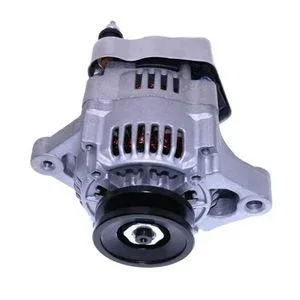
Vacuum Pump with Pulley |
| Condition |
New Aftermarket |
| Engine Compatibility |
3.0L L4 Diesel / 3.9L L4 Diesel / 4.8L L4 Diesel / 5.2L L4 Diesel / 5.7L V8 Gas / 6.0L V8 Gas / 6.0L V8 CNG / 6.0L V8 Bi-Fuel |
| Housing Material |
Cast iron |
| Pulley |
Integrated, dynamically balanced |
| Seals |
Heat-resistant |
| Warranty |
3-12 months against manufacturing defects |
| Certification |
ISO 9001 |
Application Suitability
| Engine System |
Related Components |
| Brake Assist Vacuum Circuit |
Brake booster, check valves, vacuum lines, reservoir tank |
| Emissions Control Vacuum Supply |
EGR valve actuator, vacuum solenoids, port fittings |
| Diesel Auxiliary Vacuum |
Belt drive system, tensioner, harmonic balancer |
| Gas / CNG / Bi-Fuel Auxiliary |
Intake manifold vacuum ports, diverter valves |
Why the Same Vacuum Pump 904-862 Engine Replacement Fails Within Months
Replacing the pump without tracing the fault back through the vacuum circuit invites repeat failure.
A vacuum pump rarely fails on its own. In most cases I have encountered across medium-duty fleet operations, the root cause sits upstream or downstream — a leaking brake booster diaphragm, a cracked check valve, or a collapsed vacuum line drawing moisture and debris back into the pump housing. Swapping the pump without addressing these faults means the new unit inherits the same destructive conditions. [NEED_CITE: vacuum brake system diagnostic sequence for medium-duty commercial vehicles]
The 904-862 Vacuum Pump serves as the vacuum source for both brake assist and emissions control circuits on Isuzu NPR and NPR-HD platforms spanning diesel, gas, CNG, and bi-fuel engines from 1995 through 2020. Each engine variant places different thermal and load demands on the pump, making system-level diagnosis essential before committing to a replacement.

The Vacuum Circuit This Pump Belongs To
This vacuum pump anchors the engine auxiliary system that supplies negative pressure to the power brake booster and, on emissions-equipped variants, to the EGR valve actuator and related solenoids. When a Vacuum Pump 904-862 engine replacement is planned, the entire circuit from the pump discharge port to the brake booster and back through the check valves must be evaluated as one system. A failing check valve, for instance, allows pressurized air to backflow into the pump during off-cycles, accelerating vane and seal wear far beyond normal service expectations.
Engine Serial Variants and Displacement Matching
The Isuzu NPR platform covers a broad displacement range — from 3.0L and 3.9L four-cylinder diesels through 4.8L and 5.2L larger diesels, and into 5.7L and 6.0L V8 configurations running gas, CNG, or bi-fuel. Each displacement and fuel type generates different under-hood temperatures and crankcase pressure profiles. The cast iron housing and heat-resistant seals on this pump are rated across that full thermal envelope, but correct variant selection still depends on confirming the exact engine serial and fuel system. An NPR-HD running a 6.0L V8 CNG motor produces notably different thermal cycling than a standard NPR with a 3.9L diesel, and the pump must match the specific build. [NEED_CITE: Isuzu NPR engine serial identification and variant cross-reference procedures]
Cast Iron Housing, Balanced Pulley, and Thermal Endurance
The cast iron housing provides dimensional stability under the sustained thermal load of a medium-duty truck engine bay, where ambient temperatures around the auxiliary drive zone can climb significantly during stop-and-go urban delivery routes. The integrated pulley is dynamically balanced to minimize radial load on the pump bearings and reduce vibration transmitted into the belt drive system — an imbalance here accelerates wear on the belt, tensioner, and adjacent accessory bearings. Heat-resistant seals maintain vacuum integrity across the operating temperature range of both diesel combustion chambers and gas engine exhaust environments, preventing the seal shrinkage and hardening that lead to gradual vacuum loss over time.
The Hidden Cost of Ignoring Root-Cause Diagnosis
Installing a new vacuum pump onto a circuit with a compromised brake booster or degraded check valves means the replacement unit operates under the same abnormal conditions that destroyed the original. The new pump may deliver acceptable vacuum for a short period before the unresolved fault causes accelerated vane scoring, seal extrusion, or bearing failure. This pattern of repeat replacement is one of the most common frustrations in fleet maintenance — the parts cost is secondary to the cumulative vehicle downtime and the safety risk of operating with degraded brake assist. Addressing the system fault, not just the failed component, is the only way to achieve lasting repair outcomes. [NEED_CITE: brake booster diaphragm failure contributing to vacuum pump repeat replacement]
Why Source This Vacuum Pump Through XUNPO
Our own production lines and qualified sourced supply operate under a single warranty framework, so whether this pump ships from our facility or a certified partner, the quality terms remain identical. Eight product categories under one account mean the check valves, vacuum lines, brake booster, and belt tensioner for the same repair job consolidate into a single consignment. Minimum order starts at one piece — critical when a single truck is down and the fleet cannot justify bulk purchasing. Part identification works from the part number, machine model, a photograph of the nameplate, or even a worn label image. Our cross-reference verification covers superseded and alternate numbers, catching mismatches before dispatch. Technical support is available to confirm compatibility against your specific engine serial and fuel system variant.
Documentation & Verification
- Commercial invoice and packing list referencing Vacuum Pump 904-862 and associated auxiliary components
- Part compatibility sheet listing verified cross-reference numbers marked as reference only
- Quality inspection record documenting vacuum output test and seal integrity check
- Warranty terms covering 3-12 months against manufacturing defects
- Packing photographs showing pulley protection and housing condition before crate closure
- HS code and customs documentation support for international freight forwarding
Installation & Rebuild Sequence
- Inspect brake booster diaphragm and all check valves before mounting the replacement Vacuum Pump 904-862
- Verify belt alignment and tensioner condition to protect the dynamically balanced pulley from radial overload
- Confirm vacuum line routing and port orientation match the specific engine serial variant
- Torque mounting fasteners to specification and check pulley runout after initial installation
- Run engine at idle and measure vacuum output at the booster port before returning the vehicle to service
Request a System-Matched Quote
Provide your engine model, displacement, fuel type, and engine serial number so we can confirm the correct vacuum pump variant and identify which adjacent components should be inspected or replaced alongside it. If the original nameplate is unreadable, send a photograph of the old pump and pulley — we can work from that to verify fitment and cross-reference accuracy.
Frequently Asked Questions
Q: What other engine auxiliary components should I inspect when replacing the vacuum pump?
A: Before installing the new pump, check every check valve in the vacuum circuit for backflow leakage, inspect the brake booster diaphragm for internal leaks, and examine all vacuum lines for collapse or cracking. The belt tensioner and adjacent accessory pulleys should also be verified, since a failing tensioner transmits abnormal radial loads to the pump bearings and accelerates wear.
Q: Does the same pump fit both diesel and gas NPR engines?
A: The pump housing and seal specification covers the thermal range of both diesel and gas variants, including CNG and bi-fuel configurations. However, correct variant selection requires confirming the engine displacement and serial number, as port orientation and pulley specifications can differ between engine families. Always verify against your specific build before ordering.
Q: How do I confirm the correct cross-reference number for my engine serial?
A: Send us the engine serial number and model year, or a photograph of the existing pump label if it is still legible. We cross-verify the number against superseded and alternate references in our database, confirming fitment before dispatch. This catches errors that copied cross-reference tables often carry forward between sellers.
Q: What system-level faults cause premature vacuum pump failure?
A: A leaking brake booster diaphragm forces the pump to run continuously under load. A failed check valve allows pressurized backflow that scores internal vanes. Collapsed or restricted vacuum lines create cavitation conditions. In every case, replacing the pump without correcting the upstream fault results in the same failure repeating within a short service window.
Q: Can I order a complete engine auxiliary kit including check valves and lines?
A: Yes. We supply matched auxiliary kits covering the vacuum pump, check valves, vacuum hoses, port fittings, and related fasteners as a single consolidated shipment. This approach eliminates split deliveries and ensures every component in the vacuum circuit is replaced or verified during the same service event, reducing the chance of repeat failures.