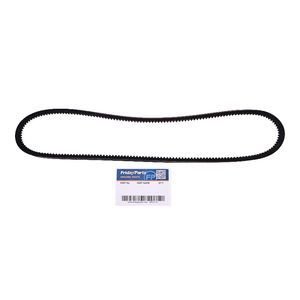
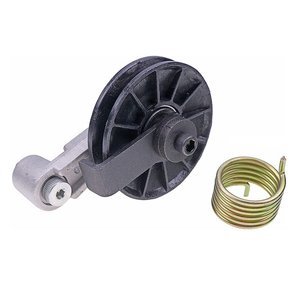
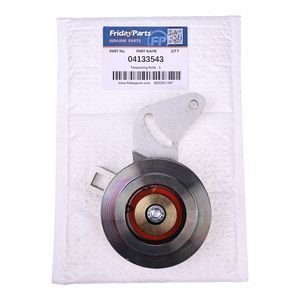
Matched Sets Shipped — V-Belt 9001A-96003 paired with tensioners and pulleys under one warranty for Toyota 4Y belt drive overhauls.
Technical Specifications
| Parameter |
Value |
| Part Number |
9001A-96003 |
| Product Type |
Belt |
| Cross-Reference |
9001A-96003, 9001A96003 (reference only) |
| Machine Fitment |
02-7FG30, 02-7FGJ35, 02-7FGK30, 40-7FG15, 40-7FG20, 40-7FG23, 40-7FG25, 40-7FGK20, 40-7FGK25, 42-7FG15, 42-7FG18, 42-7FG20, 42-7FG25, 42-7FGK20, 42-7FGK25, 7FG30, 7FGJ35, 7FGK30, 02-7FGF30, 02-7FGJF35, 42-7FGF15, 42-7FGF18, 42-7FGF20, 42-7FGF25, 02-7FGN30, 40-7FGN15, 40-7FGN20, 40-7FGN25, 42-7FGN15, 42-7FGN20, 42-7FGN25, 7FGN30, 02-8FGF15, 02-8FGF18, 02-8FGF20, 02-8FGF25, 02-8FGF30, 02-8FGJF35, 02-8FGKF20, 32-8FGF15, 32-8FGF18, 32-8FGF20, 32-8FGF25, 32-8FGF30, 32-8FGFJ35, 30-8FG10, 30-8FG15, 30-8FG20, 30-8FG25, 30-8FG30, 30-8FGJ35, 32-8FG10, 32-8FG15, 32-8FG18, 32-8FG20, 32-8FG25, 32-8FG30, 32-8FGJ35, 32-8FGK20, 32-8FGK25, 32-8FGK30, 30-8FGN15, 30-8FGN20, 30-8FGN25, 30-8FGN30, 32-8FGN15, 32-8FGN20, 32-8FGN25, 32-8FGN30, 7FGCSU20, 7FGCU15, 7FGCU18, 7FGCU20, 7FGCU25, 7FGCU30, 7FGCU32, 7FGU15, 7FGU18, 7FGU20, 7FGU25, 7FGU30, 7FGU32, 8FG18B, 8FG25B, 8FG30B, 8FGCSU20, 8FGCU15, 8FGCU18, 8FGCU20, 8FGCU25, 8FGCU30, 8FGCU32, 8FGU15, 8FGU18, 8FGU20, 8FGU25, 8FGU30, 8FGU32, FGZN20, FGZN25, FGZN30 |
| Engine Compatibility |
4Y |
| Condition |
New Aftermarket |
| Warranty |
3-12 months against manufacturing defects |
| Manufacturing Standard |
ISO-certified production |
Application Suitability
| Engine System |
Related Components |
| Primary Accessory Drive |
Alternator pulley, water pump drive |
| Cooling System Interface |
Water pump shaft, thermostat housing |
| Tensioning Assembly |
Automatic or manual tensioner, idler pulleys |
| Engine Front Cover |
Front seal, cover gasket, bolt set |
Why the Root Cause Outlives the Last V-Belt 9001A-96003
The belt is usually the victim, not the culprit.
A new V-Belt 9001A-96003 installed on a glazed pulley or a seized tensioner inherits the exact failure mode that destroyed the previous one. In mining and logistics environments running Toyota 4Y forklifts, we see belt drive systems where the rubber compound degrades from coolant leaks or misaligned brackets, yet only the belt gets replaced. The underlying fault remains active. [NEED_CITE: belt drive system misalignment failure modes in industrial engines] The replacement belt then shows identical cracking or stretching within a short operating window, leading workshops to blame part quality when the system was never properly diagnosed. Addressing the belt drive as a complete system — pulleys, tensioner, alignment, and contamination sources — is what separates a lasting repair from a repeating cycle.

The Belt Drive System as a Single Operating Unit
This V-Belt 9001A-96003 does not work in isolation. It transmits crankshaft rotation to the alternator and water pump on the 4Y engine, meaning any slippage or tracking error immediately affects charging output and coolant circulation. When one component in this loop wears unevenly, the load transfers to adjacent parts. A worn tensioner spring, for instance, allows the belt to flutter at certain RPM ranges, accelerating sidewall wear on the belt and groove wear on every pulley it contacts.
Matching Tolerances Across the 4Y Engine Build History
The Toyota 4Y engine has been produced across multiple forklift generations, and belt routing geometry has shifted between serial ranges. An early-generation 40-7FG15 may use a slightly different belt path than a later 8FGU25 variant, even though both share the same base engine designation. Confirming the specific engine serial variant before ordering prevents receiving a belt that physically fits but operates outside its designed tension envelope. [NEED_CITE: Toyota 4Y engine serial variant differences across forklift model years] We cross-reference the machine serial plate against the fitment list to ensure the V-Belt 9001A-96003 matches the exact routing length required.
What the Rubber Compound and Cord Structure Actually Do
The heat-resistant rubber formulation maintains flexibility at continuous engine bay temperatures, preventing the surface hardening and micro-cracking that plague cheaper compounds in high-ambient environments like West African mine sites. The internal reinforcement cords — typically polyester or aramid — hold the belt's cross-sectional geometry under load. If these cords stretch or if the tooth profile does not seat precisely into the pulley grooves, the belt rides higher in the groove, reducing contact area and generating heat through slippage. This V-Belt 9001A-96003 is manufactured to match the original groove profile, ensuring full flank contact from first installation.
The Cost of Replacing Only What Broke
When a workshop replaces the belt without inspecting the tensioner bearing or checking pulley runout, the machine returns to service carrying the same defect. Within a short period, the new belt shows the same symptoms — chirping at startup, visible sidewall abrasion, or sudden snapping under load. The forklift goes down again, the customer loses confidence in the parts supplier, and the real fault (a wobbly pulley or a coolant-saturated belt path) finally gets found during the second teardown. [NEED_CITE: repeat belt failure root cause analysis in material handling equipment] System-level diagnosis at the first repair avoids this double-downtime pattern entirely.
How This Supply Model Works for Engine Rebuild Shops
Our production and sourcing lines operate under a single warranty account, so whether the V-Belt 9001A-96003 ships alone or as part of a complete 4Y overhaul kit — pistons, rings, gaskets, seals, and belt drive components — the quality terms are identical. Guangzhou warehouse stock allows fast dispatch on common items, and part identification works from a machine model number, a photograph of the nameplate, or the old belt itself. Cross-reference verification covers superseded and alternate numbers so you receive a confirmed match, not a guess. Sample supply is available for fitment confirmation before any bulk commitment.
Documentation & Verification
- Commercial invoice listing part numbers, engine compatibility, and HS codes for customs
- Cross-reference sheet confirming 9001A-96003 interchange numbers (reference only)
- Dimensional inspection record covering belt length, width, and tooth profile check
- Warranty terms document specifying coverage period and claim procedure
- Packing photographs showing belt condition and protective wrapping before crate closure
Installation & Rebuild Sequence
- Verify pulley groove condition before routing the new V-Belt 9001A-96003
- Clean all pulley surfaces and check for coolant residue that degrades rubber
- Confirm tensioner travel and spring pressure match 4Y engine service specifications
- Set belt tension to specification and recheck after initial run-in cycle
- Inspect belt tracking and alignment after first hour of operation
Requesting a System-Matched Quote
Provide the forklift model number and engine serial from the nameplate, along with any rebuild history if the 4Y has been overhauled previously. If the old belt is available, a photograph of the part number stamping or the pulley groove profile helps confirm variant matching. For fleet operators, sharing the full machine list allows us to consolidate belt drive kits across all compatible units into a single shipment.
Frequently Asked Questions
Q: What other belt drive components should be replaced together with this V-Belt?
A: The tensioner assembly and idler pulleys should be inspected and typically replaced during the same service event. On the Toyota 4Y, we also recommend checking the water pump shaft for play and the alternator mounting bracket for alignment, as these directly affect belt tracking and tension consistency throughout the drive system.
Q: How do I confirm which 4Y engine serial variant my forklift has?
A: Locate the engine serial number stamped on the block, usually near the oil filter housing or on the manufacturer's data plate. Cross-reference this against the fitment list for V-Belt 9001A-96003. If the plate is unreadable, a photograph of the existing belt routing and pulley arrangement helps us identify the correct variant.
Q: Why did my last belt fail early — is the problem the belt or something else?
A: Early belt failure on the 4Y engine frequently traces to misaligned pulleys, a seized tensioner bearing, or coolant leaking onto the belt path. Inspect these system-level factors before concluding the belt itself was defective. Replacing only the belt without addressing the root cause typically produces the same short service life.
Q: Can I order a complete belt drive kit under one part number?
A: We assemble matched belt drive kits containing the V-Belt 9001A-96003, tensioner, and associated pulleys as a consolidated package. Request a kit quote with your machine model and engine serial number so we verify every component matches your specific 4Y engine build variant before shipping.