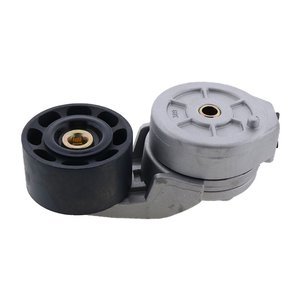
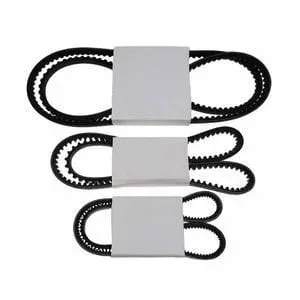
Overhaul Match Confirmed — every belt-drive component verified against your engine build sheet before dispatch.
Technical Specifications
| Parameter |
Value |
| Part Number |
3937553 |
| Product Type |
Belt Tensioner |
| Cross-Reference |
3937553 (reference only) |
| Machine Fitment |
4BT, NT855, 6BT, 6CT, 4BTA, 6BTA, B3.9L, 5.9L engines |
| Material |
EPDM rubber compound with aramid reinforcing cords |
| Operating Temperature |
Up to 120°C continuous service |
| Tensioner Arm Pivot |
Hardened steel bushings with PTFE-impregnated bronze liners |
| Dimensional Tolerance |
±0.15 mm across mounting holes and belt contact surfaces |
| Torque Specification |
28–32 N·m |
| Warranty |
6 months against manufacturing defects |
| MOQ |
1 piece |
| Condition |
New Aftermarket |
| Standards |
ISO 9001, ISO 11452-2 |
Application Suitability
| Engine System |
Related Components |
| Front-End Accessory Drive |
Serpentine belt, idler pulleys, alternator bracket |
| Cooling System Drive |
Water pump pulley, fan hub assembly |
| Charging System Drive |
Alternator mounting hardware, belt guard |
| Air Compressor Drive |
Compressor clutch pulley, mounting bolts |
Why the Accessory Drive Gets Overlooked During Engine Rebuilds
A rebuilt engine that fails prematurely often traces back to one overlooked accessory-drive component — installing a fresh tensioner alongside new belts and pulleys during overhaul eliminates a common root cause of early rework.
Rebuild planners focus on rotating assembly and cylinder head work, leaving belt-drive hardware on the bench. The existing tensioner goes back in because it "still moves," but internal spring fatigue and pivot wear are invisible during a visual check [NEED_CITE: accessory drive system inspection protocols during engine overhaul]. This belt tensioner belongs to the front-end accessory drive system of Cummins B-series and C-series engines, where proper belt tension is critical to prevent slippage that cascades into alternator, water pump, and compressor failures. Skipping this component during a full rebuild is the difference between a reliable return to service and a warranty claim three months later.
How This Tensioner Fits into the Overhaul Sequence
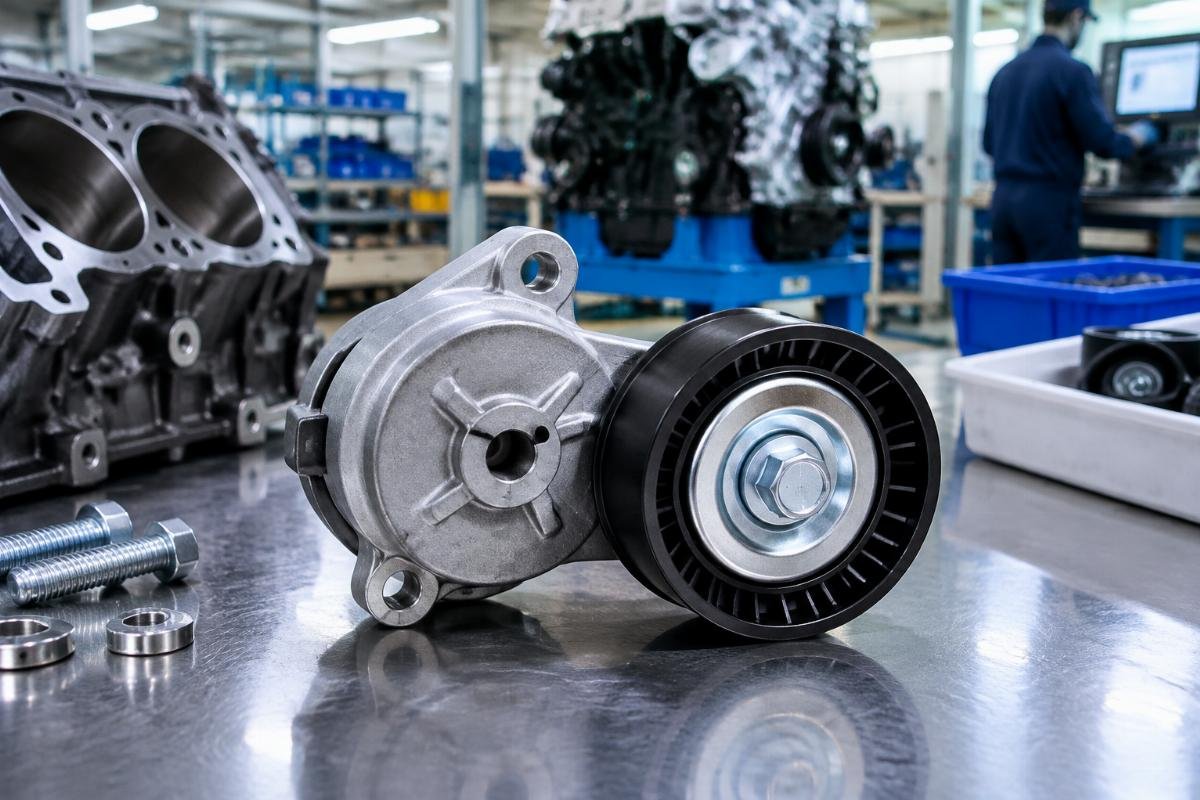
The belt tensioner sits at the front of the accessory-drive circuit, controlling belt deflection across every pulley in the loop. During an engine rebuild, this component should be replaced as part of a matched set that includes new belts, idler pulleys, and any worn hardware. Reusing an old tensioner on a freshly rebuilt Cummins B3.9L or 5.9L introduces a known weak point into an otherwise renewed system. Shops that treat the accessory drive as a complete subsystem — rather than a collection of individual parts — see fewer comeback jobs related to belt noise, charging faults, or overheating.
Serial Variants and Why the Same Engine Family Needs Different Parts
Cummins B-series and C-series engines span multiple displacements and build generations, meaning a part that physically bolts on may not deliver correct belt geometry. The 4BT, 6BT, 6BTA, and 6CT variants differ in accessory-drive bracket configurations and pulley spacing [NEED_CITE: Cummins B-series engine accessory drive variant differences]. Confirming the exact engine serial number against the build sheet rules out superseded numbers and ensures this Belt Tensioner engine rebuild component matches the specific bracket and belt routing of your engine. A mismatch here does not always show up at installation — it reveals itself as accelerated belt wear or premature bearing failure under sustained load.
What the Specs Mean in the Engine Bay
The EPDM rubber compound with aramid reinforcing cords is selected for continuous exposure to under-hood thermal cycling and vibration. EPDM maintains flexibility at the rated 120°C continuous operating temperature, preventing the cracking and glazing that plague lower-grade compounds in high-heat zones near the exhaust manifold. The hardened steel pivot bushings with PTFE-impregnated bronze liners reduce friction at the tensioner arm pivot point, allowing smooth repeated adjustment cycles throughout the service interval. Dimensional tolerance held to ±0.15 mm across mounting holes and belt contact surfaces ensures direct interchange with original Cummins assemblies without shimming or re-drilling. The 28–32 N·m torque specification aligns with engine rebuild service manual requirements for accessory-drive fastener sequencing, preventing bracket distortion that can misalign the entire belt path.

The Cost of Reusing a Fatigued Tensioner on a Fresh Rebuild
Sending a rebuilt engine back into service with the original tensioner means accepting hidden spring fatigue and pivot play that no visual inspection catches. Belt slippage under load causes the alternator to undercharge, the water pump to underflow, and the compressor to cycle erratically. The machine returns to the shop with electrical or cooling complaints, and the root cause — a worn tensioner — is discovered only after the belt and adjacent pulleys are also damaged. This pattern turns a simple component swap into a second teardown, consuming labor hours and eroding customer confidence in the rebuild quality [NEED_CITE: root cause analysis patterns in engine rebuild warranty claims].
What We Bring to Your Overhaul Planning
Selected part lines are produced in our own Guangzhou facility, with the remainder sourced from ISO-certified manufacturing partners — both carry identical QC and warranty terms. Eight product categories under one account mean your complete overhaul job list ships as one consignment, eliminating split freight and mismatched lead times. Minimum order is one piece, so emergency single-unit purchases are never blocked by quantity thresholds. Part identification works from number, machine model, photograph, or nameplate image, which matters when the original plate is painted over or worn. Cross-reference verification covers superseded and alternate numbers to prevent the errors that propagate between sellers. A sample unit is available for physical fitment confirmation before you commit to a bulk overhaul parts order.
Documentation & Verification
- Commercial invoice and packing list with line-item part numbers and cross-reference notations
- Compatibility sheet confirming 3937553 (reference only) against your specific engine serial range
- Quality inspection record covering spring force, pivot smoothness, and belt alignment geometry
- Six-month warranty terms covering manufacturing defects from date of dispatch
- Packing photographs showing individual component protection and carton labeling
- HS code and customs documentation support for international overhaul parts shipments
Installation & Rebuild Sequence
- Replace tensioner alongside new belts and idler pulleys as a matched set during front-end reassembly
- Clean mounting bracket contact surfaces to bare metal before installing the tensioner assembly
- Apply 28–32 N·m torque to mounting fasteners following the engine service manual sequence
- Verify belt alignment across all pulleys using a straightedge before first engine start
- Run engine at idle for initial belt seating, then recheck tensioner arm position under load
- Record installation date and engine hours for scheduled inspection at next maintenance interval
Requesting the Right Fitment Data
Provide the Cummins engine model designation, full serial number, and any known rebuild history so we can confirm variant-specific fitment and cross-reference accuracy. If the engine nameplate is unreadable, a photograph of the existing tensioner alongside a measuring reference allows our technical team to verify dimensions and bracket configuration. For fleet operators planning multiple overhauls, share the engine build sheets so we can map serial variants to the correct component versions across your engine population.
Frequently Asked Questions
Q: What other belt-drive components should be replaced together during an engine overhaul?
A: A complete accessory-drive refresh includes the belt tensioner, all serpentine or V-belts, idler pulleys, and any worn bracket hardware. Reusing old pulleys with new belts creates mismatched wear profiles that accelerate belt degradation. We supply matched sets from our Guangzhou warehouse so the entire front-end drive ships together under one part number grouping and one warranty.
Q: How do I confirm whether 3937553 (reference only) fits my specific Cummins engine serial number?
A: Provide the full engine serial number and build date so we can cross-reference against variant-specific accessory-drive configurations. The B-series and C-series families have bracket and pulley differences that are not visible from the model designation alone. Our technical team verifies fitment against engine build records before confirming the order.
Q: Are there variant differences in the tensioner across 4BT, 6BT, and 6BTA engine builds?
A: Yes. Bracket geometry, pulley spacing, and belt routing differ across these variants, and a physically compatible tensioner may produce incorrect belt deflection on the wrong build. We confirm the exact engine variant through serial number verification and cross-reference the part number against the applicable service bulletin to ensure correct system-level fitment.
Q: What system-level fault could cause premature tensioner failure, and how do I address the root cause?
A: Misaligned accessory brackets, worn pulley bearings, or incorrect belt length from a previous service can overload the tensioner arm and accelerate pivot wear. Before installing the replacement, inspect all pulleys for axial play and verify bracket alignment with a straightedge. Addressing the upstream fault prevents the new tensioner from following the same failure pattern.
Q: Can I request a sample unit for physical fitment verification before committing to a bulk overhaul parts order?
A: Yes. We supply sample units so your workshop can confirm bracket fitment, bolt hole alignment, and belt routing geometry on the actual engine before you place a fleet-scale order. This step is standard practice for shops managing multiple engine variants and eliminates the risk of receiving a bulk shipment that requires return or modification.