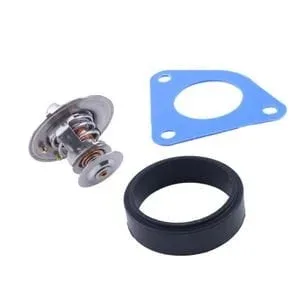
Engine Serial Variant Verified — every thermostat 3917324 shipment is cross-checked against the specific 4B or 6B engine build variant before dispatch.
Technical Specifications
| Parameter |
Value |
| Product Type |
Thermostat |
| Part Number |
3917324 |
| Cross-Reference |
3920336, 3923331 (reference only) |
| Machine Fitment |
4B3.9, 4BT3.9, 4BTA3.9, 6B5.9, 6BT5.9, 6BTA5.9 |
| Opening Temperature |
88°C ±2°C |
| Actuation Type |
Wax-pellet |
| Housing Material |
Brass |
| Gasket Material |
Silicone |
| Bushing Material |
Steel |
| Max System Pressure |
1.2 bar |
| Condition |
New Aftermarket |
| Warranty |
3–12 months against manufacturing defects |
| MOQ |
1 piece |
| Standard |
ISO 9001 |
Application Suitability
| Engine System |
Related Components |
| Engine block cooling circuit |
Thermostat housing, bypass hose, coolant temperature sensor |
| Cylinder head thermal management |
Head gasket, water pump, radiator cap |
| Charge air cooling loop (turbocharged variants) |
Intercooler lines, coolant hoses, expansion tank |
| Lubrication system thermal control |
Oil cooler, oil filter, crankcase breather |
Why a Thermostat Engine Rebuild Parts Kit Fails on a Freshly Rebuilt Engine
An incomplete cooling kit installed during rebuild will fail before the break-in period ends.
I have spent years walking onto job sites in the Gulf where a freshly overhauled Cummins 6B is sitting idle under the shade of a crane boom, coolant puddling beneath the housing flange. The thermostat itself is functioning, but the gasket is compressed unevenly because the bushing was reused from the previous build, or the replacement kit arrived without the matched silicone seal. The result is the same every time: coolant seepage at the flange, thermal cycling damage to the housing, and a machine that overheats before it reaches its first scheduled oil change. These repeat failures trace back to incomplete engine rebuild kits, not to the thermostat mechanism itself. [NEED_CITE: cooling system failure modes during engine break-in]

How This Thermostat Sits Inside the Cooling System Hierarchy
A thermostat is the gate between the engine block and the radiator. During cold start it remains closed, forcing coolant through the block passages to bring cylinder walls to operating temperature quickly. When the wax pellet expands at 88°C, the valve opens and coolant flows to the radiator. In a rebuild context, the thermostat engine rebuild parts must be treated as a matched set: the brass housing, the silicone gasket, and the steel bushing all interact under thermal load. Replace one without the others and the thermal expansion mismatch will compromise the seal within the first few heat cycles.
Engine Serial Variants Change the Fitment Picture
The Cummins 4B3.9, 4BT3.9, 4BTA3.9, 6B5.9, 6BT5.9, and 6BTA3.9 share a common block family, but the thermostat housing configuration differs across serial ranges and aspiration levels. A turbocharged 6BTA5.9 runs hotter at the head than a naturally aspirated 4B3.9, and the housing flange geometry shifts between early and late production blocks. Shipping a thermostat by model name alone, without confirming the engine serial and variant, risks sending a bushing that seats at the wrong depth or a gasket that does not align with the coolant passage ports. This is the single most common fitment error I encounter when workshops order cooling components by machine model rather than engine build sheet. [NEED_CITE: Cummins 4B 6B engine serial variant identification]
What the Opening Temperature and Materials Actually Mean in Service
The 88°C ±2°C opening point is calibrated for the thermal mass of a mid-range diesel block. Open too early and the engine never reaches peak combustion efficiency, increasing fuel dilution in the oil. Open too late and cylinder head temperatures exceed the gasket's compression set threshold. The brass housing resists ethylene glycol corrosion across thousands of thermal cycles, while the silicone gasket maintains its sealing force after repeated expansion and contraction — a property that cheaper composite materials lose after a handful of heat cycles. The steel bushing absorbs the bolt torque during housing installation, preventing the brass from warping under load. Max system pressure of 1.2 bar aligns with the radiator cap rating on these engine families, so the thermostat operates within its designed pressure envelope.
The Cost of Skipping the Matched Set
Sending a thermostat without its gasket and bushing to a rebuild site means the technician either reuses the old gasket — which has already taken a compression set and will not reseal — or sources a mismatched one locally. Either path leads to coolant weeping at the flange within hours of operation. The machine goes down again, the workshop loses credibility with the fleet operator, and the root cause is never the thermostat mechanism but the missing companion components. I have seen this pattern repeat on generator sets in remote mining camps where a second shutdown means flying in a technician at significant cost. [NEED_CITE: cooling system rework cost in remote operations]
Why Procurement Through a Single Engine Systems Account Matters
Every thermostat 3917324 order is verified against the buyer's engine serial number before packing, so the gasket and bushing match the specific variant on the build sheet. The cooling system components ship alongside overhaul gasket sets, piston ring kits, and bearing shells from the same warehouse, arriving as one consignment under one warranty. Minimum order is one piece, which matters when a single emergency rebuild is holding up a fleet. The technical team confirms fitment from a photograph of the engine nameplate when the data plate is worn or painted over. Quality inspection records showing opening temperature and pressure hold results accompany each shipment.
Documentation & Verification
- Commercial invoice listing matched thermostat, gasket, and bushing as a single kit line item
- Cross-reference sheet showing 3920336 and 3923331 as interchange reference only
- Quality inspection record with opening temperature test at 88°C ±2°C and pressure hold at 1.2 bar
- Warranty terms covering manufacturing defects for 3 to 12 months from delivery date
- Packing photographs showing kit components verified against engine serial variant before crate closure
Installation & Rebuild Sequence
- Clean the thermostat housing flange and block mating surface to bare metal before installing the new silicone gasket
- Seat the steel bushing into the housing bore first, then insert the wax-pellet thermostat in the correct orientation
- Torque housing bolts in a criss-cross pattern to avoid warping the brass housing under uneven load
- Fill the cooling system slowly with the specified ethylene glycol mix, bleeding air from the high-point vent
- Run the engine to operating temperature and verify the thermostat opens by monitoring upper radiator hose temperature rise
Request a Quote with Your Engine Build Details
Provide the engine model, serial number, and any known rebuild history so the correct thermostat variant, gasket profile, and bushing depth can be confirmed before the kit is packed. If the engine nameplate is unreadable, send a photograph of the housing area and the block casting number. The technical team will return a verified fitment confirmation along with the lead time for your specific configuration.
Frequently Asked Questions
Q: What other cooling system components should be replaced together with the thermostat during a rebuild?
A: The water pump, radiator cap, bypass hoses, and coolant temperature sensor should all be evaluated during a cooling system refresh. The thermostat kit itself includes the matched gasket and bushing. Replacing the thermostat without checking the water pump impeller condition risks returning to a partially blocked cooling circuit that will overheat regardless of thermostat function.
Q: Does the kit include all three required parts or are they sold separately?
A: The kit ships as a matched set containing the brass thermostat housing, silicone gasket, and steel bushing together. This eliminates the risk of receiving only the thermostat mechanism and having to source compatible sealing components locally, which is where most fitment errors originate during a time-pressured rebuild.
Q: How do engine serial variants affect thermostat fitment across 4B and 6B series?
A: Housing flange geometry, bolt hole spacing, and coolant port alignment differ between early and late serial ranges, and between naturally aspirated and turbocharged variants. Confirming the exact engine serial number ensures the gasket profile and bushing depth match the specific block casting on your machine, preventing misalignment that causes coolant seepage.
Q: What system-level fault could cause premature thermostat failure?
A: Coolant contamination with combustion gases, often from a failing head gasket, can degrade the wax pellet and corrode the brass housing from the inside. Air pockets trapped in the cooling system after an incomplete bleed can also cause localized overheating that distorts the thermostat valve. Address the root cause before installing the replacement kit.
Q: How do I confirm the correct opening temperature for my specific engine build?
A: The 88°C ±2°C specification covers the standard configuration for 4B3.9 through 6BTA5.9 variants. Some high-ambient or heavy-duty builds may require a different opening point. Provide the engine serial number and the equipment manufacturer's specification so the technical team can verify the correct thermostat calibration for your application.