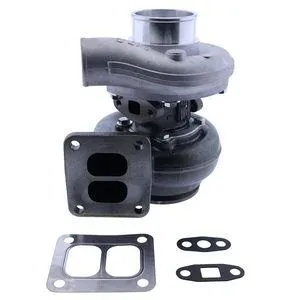
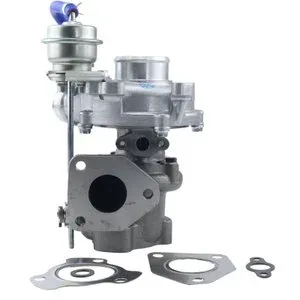
Matched-Set Dispatch — every S200 turbocharger order includes verified gasket, oil line, and filter cross-references so the entire intake-exhaust overhaul ships in one consignment.
Technical Specifications
| Parameter |
Value |
| Part Number |
RE508719 |
| Product Type |
Turbocharger |
| Cross-Reference |
RE508719, 471050-5002S, 471050-0001, 471050-0002, 471050-0003, 471050-0006, 471050-0008, 471050-0017, 471050-0019, 471050-0020, 471050-0021, 471050-0023, 177263, 471050-0025, RE509384, RE59998, RE60000, RE60388, RE69157, SE500276, SE502219, 471050-5008S, 471050-9008S, 471050-8 (reference only) |
| Machine Fitment |
John Deere 200LC, 230LC, 230LCR, 230LCRD, 270LC, 200CLC, 230CLC, 270CLC, 690ELC, 2054, 2554, 700H, 700J, 653E, 710D, 710G, 740, 7715, 7815, 435, 335, 1450CWS, 1450WTS, 7185J, 7205J, 7220, 7420, 643G, 653G, 6140J, 7425, 1170, 1450, 1550CWS, 1550S, 1550WTS, 330B, 540G, 840, 7405, 548G, 640G, 648G, 740G, 748G, 6615, 6715, 7320, 7520, 9935, 7455, 6155J, 7525, 6155JH, SE6920, 643H, 843H, 430B, 4990, 4995, 360D, 540G-III, 548G-III, 540G-II, 548G-II, 843G, 548GIII, 360DC, 540GIII; Hitachi EX200LC-5, EX230LC-5, LX100-5 |
| Part Name |
S200 Turbocharger |
| Condition |
New Aftermarket |
| Turbine Housing Material |
Ni-resist ductile iron (ASTM A439 Type D-2) |
| Compressor Wheel Material |
Forged 7075-T6 aluminum alloy |
| Compressor Wheel Machining |
5-axis CNC |
| Compressor Wheel Balance Tolerance |
0.2 g·mm |
| Bearing Type |
Dual ceramic ball bearings |
| Bearing Grease Rating |
Synthetic high-temp rated to 220°C |
| Sealing Surface Finish |
Ra ≤ 0.8 μm |
| Journal Area Hardness |
HRC 58–62 |
| Warranty |
3–12 months against manufacturing defects |
| Standards |
ISO 9001, SAE J1927, ISO 8573-1 Class 2, ASTM A439 Type D-2 |
Application Suitability
| Engine System |
Related Components |
| Intake & Exhaust — Full Engine Overhaul |
Head gasket set, exhaust manifold studs, oil feed and drain lines, air filter elements |
| Intake & Exhaust — Single-System Turbo Repair |
Turbo mounting gasket, oil return hose, intake boot clamps, crankcase breather |
| Scheduled Maintenance — Pre-Failure Replacement |
Oil supply line inspection, air restriction gauge, exhaust back-pressure check |
| Distributor Fleet Stocking |
Matched turbo-plus-gasket kits, oil line assemblies, service manual cross-reference sheets |
Why the Wrong S200 Turbocharger RE508719 Engine Replacement Fails Within Weeks
A turbo swapped without fixing the root cause simply fails again, taking the new part and the labor hours with it.
In Nigerian quarry sites running John Deere 4045 and 6068 engines, I have watched crews pull a smoking turbo off the manifold, bolt on a fresh unit, and watch it push oil past the seals before the first service interval ends. The cause was never the turbo itself — contaminated oil from a breached crankcase breather, a partially collapsed drain hose, or intake boots cracked enough to let dust bypass the filter. The S200 turbocharger RE508719 engine replacement absorbs the punishment until the bearings score and the shaft seizes [NEED_CITE: turbocharger failure root-cause analysis for heavy-duty diesel engines]. Addressing the supply side of the failure is what keeps the rebuilt system alive past break-in.

The Intake-Exhaust System This Turbocharger Belongs To
The S200 turbocharger sits between the exhaust manifold and the intake plenum on John Deere 4045 and 6068 families, driven entirely by exhaust gas energy. It shares oil supply with the main gallery and returns gravity-fed through a dedicated drain line into the crankcase. Any restriction upstream or downstream shifts the operating envelope, so matching this S200 turbocharger RE508719 engine replacement with verified intake gaskets, exhaust studs, and filtration components protects the entire system during an overhaul.
Serial Variants That Change Port Orientation and Oil Routing
Engine serial suffixes within the 4045 and 6068 families — such as 4045DF150, 4045TF250, 6068HF258, and 6068TF258 — alter turbo port clocking and oil line routing enough to make a physically identical unit refuse to bolt up correctly. I once spent two weeks in a camp workshop waiting for the correct oil feed hose because the turbo casting matched but the drain port faced the wrong block rib. Confirming the full engine serial number before dispatch eliminates that category of downtime [NEED_CITE: John Deere 4045 and 6068 engine serial variant identification guide].
Material and Balance Specifications Under Sustained Load
The Ni-resist ductile iron turbine housing (ASTM A439 Type D-2) resists the thermal shock cycles common in quarry duty where engines swing from idle to full load in seconds. The forged 7075-T6 aluminum compressor wheel, machined on a 5-axis CNC center and balanced to 0.2 g·mm, maintains aerodynamic stability through the 1,800–2,400 rpm operating band. Dual ceramic ball bearings packed with synthetic grease rated to 220°C handle the sustained exhaust-side temperatures without premature grease breakdown, while ground sealing surfaces at Ra ≤ 0.8 μm prevent oil migration into the intake tract.
The Hidden Cost of Skipping the Matched Set
Replacing the turbo alone and reusing hardened exhaust studs, swollen oil drain hoses, or collapsed intake boots invites a repeat teardown. The new S200 unit inherits every unresolved fault in the surrounding system, and the second failure usually scores the replacement bearings before the crew diagnoses the real problem. On remote mining sites, that second teardown often means flying in a specialist and losing another week of production [NEED_CITE: cost of repeat turbocharger failure in remote mining operations].
Why Source This Turbocharger Here
Our own production lines and qualified sourced supply carry the same QC protocol and warranty terms under one account, so a turbo and its matched gasket kit ship from the same Guangzhou warehouse. Minimum order is one piece — a single emergency turbo for a down machine goes out the same way a fleet overhaul kit does. Part identification works from a part number, a machine model, a photograph, or a nameplate image, and cross-reference verification covers superseded and alternate numbers across the John Deere and Hitachi ranges. Samples are available for fitment confirmation before any bulk commitment, and our technical team confirms engine serial compatibility and bearing grade before the order is packed.
Documentation & Verification
- Commercial invoice listing turbocharger part number and engine serial match confirmation
- Compatibility and cross-reference sheet with all superseded references marked reference only
- Dimensional and balance inspection record for each turbocharger before dispatch
- Warranty terms covering manufacturing defects for 3–12 months from receipt
- Packing photographs showing anti-static foam and reinforced carton condition
- HS code and customs documentation support for destination country clearance
Installation & Rebuild Sequence
- Verify engine serial suffix matches turbo port clocking before breaking the manifold seal
- Flush oil supply line and replace drain hose to eliminate residual contamination
- Torque turbine housing studs to specification using new hardware only
- Pre-lube bearing cavity with clean engine oil before first crank
- Run at idle for initial break-in and check for oil weep at seal faces
Confirm Your Engine Build Before Ordering
Provide the full engine model, serial number including suffix, and any prior overhaul history — such as bore oversize or crankshaft regrind grades — so we can verify turbo port configuration, oil line compatibility, and matched gasket contents for your specific 4045 or 6068 build.
Frequently Asked Questions
Q: What gaskets, seals, and oil lines should be replaced together with the turbo?
A: At minimum, replace the turbo-to-manifold gasket, oil feed line washers, oil drain hose, and intake boot clamps. We recommend including the full exhaust manifold stud set and air filter element. Our compatibility sheet lists every associated part number for your specific engine serial so nothing is missed during the overhaul.
Q: How do engine serial variants within the 4045 and 6068 families affect turbo fitment?
A: Suffixes such as TF250, HF258, or HRW61 change port clocking angle, oil drain orientation, and sometimes compressor housing outlet diameter. A turbo that bolts on physically may still route oil incorrectly or contact adjacent brackets. We cross-check your full serial number against our variant database before confirming fitment.
Q: What caused the original turbo to fail, and how do I prevent repeat failure?
A: The most common root causes are contaminated oil from a failed crankcase breather, restricted drain lines, and intake air leaks bypassing filtration. Inspect all three circuits before installing the replacement. Our technical team provides a pre-installation checklist specific to your engine configuration.
Q: How do I confirm my engine model and serial number for correct turbo selection?
A: The serial plate is typically located on the valve cover or block rail. If the plate is worn or painted over, send us a photograph of the plate area along with the machine model, and we will identify the engine build from our reference files to confirm the correct turbocharger variant.