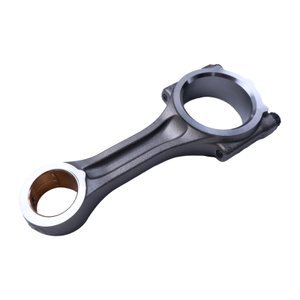
System-matched dispatch — Push Rod 733817M1 (cross-reference only) leaves our Guangzhou warehouse with matched tappets and rocker hardware, keeping valvetrain tolerances consistent across the entire engine build.
Technical Specifications
| Parameter |
Value |
| Part Number |
733817M1 |
| Cross-Reference |
733817M1 (reference only) |
| Product Type |
Push Rod |
| Condition |
New Aftermarket |
| Warranty |
3-12 Month |
| Machine Fitment |
Massey Ferguson 184, 185, 188, 194, 274, 275, 285, 290, 362, 365, 375, 383, 390, 396, 575, 590, 690, 1014, 1130, 2620, 2640, 2675, 2720, 3050, 3065, 3080, 3095, 3115, 3625, 3645, 3655, 1100, 2705, 3120, 3660, 265, 5445, 5460, 6120, 6140, 6160, 6180, 6235, 6255, 6265, 6280, 6445, 6460, 6475, 240, 398, 3075, 4225, 4260, 6110, 7465, 7480, 2685, 50B, 520, 535, 4240, 4255, 4335, 50, 8110, 8130, 5425, 50E, 50C, 1250, 31, 50H, 4360, 5435, 620, 2625, 294, 5310, 194F, 374S, 384S, 5275, 5290, 850, 374F, 500, 394SQ, 680, 394F, 50EX, 5320, 60, 855 SP, 865 Combines, 275 Backhoe Loader, 390 Backhoe Loader, 550 Combine, 760 Combine, Oliver 1850, 7600, 8800 Combine, White 2-85 Tractor |
Application Suitability
| Engine System |
Related Components |
| Valvetrain Actuation |
Cam followers, tappets, rocker arms |
| Cylinder Head Assembly |
Valve stem seals, rocker shaft, overhaul gasket set |
| Top-End Refresh |
Push rod set, valve springs, valve guides |
| Block & Internal |
Piston assemblies, connecting rod bearings, crankshaft journals |
Why Valvetrain Wear Is Never an Isolated Event
A single scored or bent Push Rod 733817M1 engine replacement usually points to a wider pattern of degradation inside the top end of the engine. Replacing one rod while leaving worn tappet faces and rounded rocker tips in place invites early failure of the new component.
When a push rod fails prematurely, the root cause often sits elsewhere in the system: a sticking valve, a weak spring that failed to close fast enough, or a tappet face that has worn into a concave profile. Addressing the rod alone without correcting those upstream conditions means the new rod encounters the same destructive forces within the first few hundred hours of operation [NEED_CITE: valvetrain failure root cause analysis in medium-duty diesel engines]. Engine rebuild shops that replace the full friction set — push rods, tappets, and rocker arm tips as a matched group — report meaningfully longer intervals between repeat top-end work.

The Valvetrain as a Wear-Linked Assembly
The push rod transfers motion from the cam follower up to the rocker arm, and all three contact surfaces degrade together over an engine's service life. Sourcing a Push Rod 733817M1 engine replacement without inspecting the tappet face and rocker tip it will ride against leaves unknown wear variables in the assembly, risking uneven load distribution from day one.
Engine Serial Variants and Build Differences
The Perkins-family engines fitted across the Massey Ferguson range include the 4.212, 4.236, 4.248, 6.354, and 1006.60 series, and the same tractor model designation can hide different engine builds produced in different years. Verifying the engine serial number before ordering ensures the push rod length and end profile match the specific block, not just the machine badge. This is where cross-reference tables copied between sellers without verification cause costly mismatches [NEED_CITE: Perkins engine serial number identification for agricultural machinery].
Interpreting End Profile and Length Tolerances
The end geometry of a push rod — whether ball-and-socket or cup-and-ball — must match both the tappet and the rocker arm adjuster screw it contacts. Length tolerance matters because even small deviations alter valve timing events and lash settings. Material hardness at the contact ends must be appropriate for the wear state of the mating surfaces; a hard new rod riding on a deeply worn tappet face concentrates stress and accelerates damage to both parts.
The Cost of Skipping System-Level Inspection
Rebuilds that reuse worn tappets with new push rods frequently see the new rods bend or score within a single season of heavy fieldwork. The machine then returns to the workshop for a second head-off teardown, doubling labor cost and consuming a second set of gaskets and seals that could have been addressed the first time [NEED_CITE: agricultural engine overhaul repeat failure patterns].
What We Bring to This Job
Selected push rod lines are produced in our own facility, while the remainder is sourced from qualified ISO-certified manufacturing partners — both carry the same quality control and warranty terms. Eight product categories mean the full overhaul list, from push rods to piston rings to seal kits, ships under one account and one consignment. Minimum order starts at one piece, so a single emergency rod does not force an unnecessary bulk commitment. Our technical team confirms push rod length and end profile against engine serial number before dispatch. Part identification works from a part number, a machine model, a photograph of the removed component, or an image of the nameplate.
Documentation & Verification
- Commercial invoice and packing list itemizing every push rod and matched component by position
- Push rod compatibility and cross-reference sheet marked reference only for Perkins-family engines
- Dimensional check record confirming rod length and end profile before dispatch
- Warranty terms covering material and workmanship for the stated warranty period
- Packing photographs showing rod separation and protective wrapping inside the carton
- HS code and customs documentation support for agricultural parts import clearance
Installation & Rebuild Sequence
- Inspect every tappet face for concave wear before installing the new Push Rod 733817M1 engine replacement
- Verify push rod length against the engine build manual specification for your serial number variant
- Apply assembly lubricant to both rod ends and the corresponding tappet and rocker contact surfaces
- Set valve lash to the cold clearance value specified for the engine series after full reassembly
- Run the engine at idle for initial break-in and recheck valve lash after the first operating cycle
Sending the Right Information with Your Inquiry
Provide your engine serial number and the specific Perkins series designation so we can confirm the correct push rod length and end profile variant. If the nameplate is unreadable, send a photograph of the removed rod alongside a ruler for scale. Mention any previous top-end rebuild history so we can advise on whether standard or oversize valvetrain components are needed for your engine build.
Frequently Asked Questions
Q: What other valvetrain parts should be replaced together with the push rod?
A: We recommend replacing tappets and inspecting rocker arm tips whenever push rods are renewed, because all three surfaces wear as a friction set. Valve stem seals and the rocker shaft gasket are typically included in the same consignment to avoid a second teardown. Matched supply ensures consistent clearances across the entire top end.
Q: How do I confirm which engine serial variant my machine has?
A: The engine serial number is stamped on the block, usually near the injection pump mounting face. Send us that number along with your machine model, and we cross-check against the Perkins build records to confirm which push rod length and end profile your specific engine requires.
Q: Can I order a complete top-end overhaul kit in one shipment?
A: Yes. Push rods, tappets, rocker shaft components, valve stem seals, cylinder head gaskets, and full overhaul gasket sets ship together under one account. Consolidated dispatch prevents split freight costs and ensures every component arrives before the rebuild begins.
Q: What causes push rod failure and how do I prevent repeat damage?
A: Bent or scored push rods typically trace back to sticking valves, weak valve springs, or concave tappet wear rather than the rod itself. Replacing the rod without correcting the root cause leads to repeat failure. System-level inspection of the full valvetrain before reassembly is the most effective prevention measure.
Q: Do different machine models sharing the same base engine use identical push rods?
A: Not always. The same Perkins-family base engine may be built in different configurations across machine generations, with variations in push rod length or end profile. Engine serial number verification is required to distinguish between these variants and avoid fitment errors on the bench.