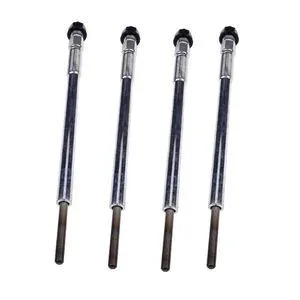
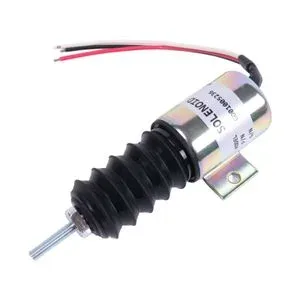
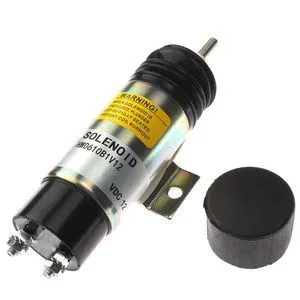
Matched System Sets — This fuel shutoff solenoid ships alongside injection components and electrical connectors verified against the same engine serial range.
Technical Specifications
| Parameter |
Value |
| Part Number |
AM882277 |
| Product Type |
Stop Solenoid |
| Cross-Reference |
AM876416 (reference only), P610-C5V12 (reference only), P610C5V12 (reference only) |
| Machine Fitment |
670, 770, 870, 970, 1070 Compact Utility Tractors |
| Voltage |
12V |
| Condition |
New Aftermarket |
| Warranty |
3-12 months against manufacturing defects |
| Standard |
ISO 9001 |
Application Suitability
| Engine System |
Related Components |
| Fuel Delivery |
Injection pump, fuel lines, filters, injection nozzles |
| Electrical Actuation |
Wiring harness connector, alternator output, relay circuit |
| Engine Shutdown Control |
Glow plugs, intake shutoff linkage, throttle cable |
| Cold Start System |
Glow plug timer, battery condition, starter motor draw |
Why the Engine Rebuild Stalls Before It Starts
A replacement Fuel ShutOff Solenoid engine rebuild replacement arrives at the shop, but the tractor still will not shut down cleanly or cranks without firing. The solenoid itself is rarely the only fault — degraded fuel lines, corroded harness connectors, or a weak alternator output recreate the original failure within weeks. Engine rebuild shops that swap the solenoid without inspecting the injection pump seat or verifying wiring continuity end up with repeat warranty claims and dissatisfied fleet owners [NEED_CITE: diesel fuel system contamination failure modes in agricultural compact tractors]. I have opened fuel housings on 970 models where varnish buildup from stale diesel had already begun restricting the plunger bore long before the coil burned out. The shops that rebuild systematically — evaluating the entire fuel path during a solenoid exchange — avoid the second teardown entirely.

Where the Solenoid Sits in the Fuel Shutdown Sequence
This stop solenoid controls fuel flow interruption to the injection pump on John Deere 670 through 1070 compact utility tractors. During engine service, the solenoid represents the electrical boundary between the operator key switch and the mechanical fuel rack inside the pump housing. A Fuel ShutOff Solenoid engine rebuild replacement must be evaluated as part of the complete fuel delivery circuit, not as an isolated electrical switch.
Serial Variant Differences Across the 670-1070 Range
John Deere compact tractors in this range span multiple engine builds and production years, and solenoid mounting depth, plunger travel, and connector pin orientation can differ even within the same model designation. The superseded number AM876416 migrated to AM882277 across certain production runs, but not all serial breakpoints are documented in public parts catalogs [NEED_CITE: John Deere compact tractor engine serial breakpoint documentation]. I once watched a rebuild stall for days because a 870 arrived with an early-build injection pump that required the older plunger length — the new solenoid physically threaded in but could not reach the fuel rack. Confirming the engine serial number against the injection pump casting date before ordering prevents this mismatch entirely.
Reading the Specifications That Actually Matter
The 12V coil winding demands stable voltage from the tractor charging system. A weak alternator producing marginal output under load causes the solenoid plunger to partially actuate rather than fully seat, leading to erratic shutdown behavior that mechanics sometimes misdiagnose as a mechanical binding issue inside the pump. The 3-12 month warranty window against manufacturing defects covers coil winding faults and plunger surface finish, but will not cover failures traced to contaminated fuel or voltage starvation from a deteriorating harness. ISO 9001 manufacturing oversight ensures dimensional consistency on the mounting thread and plunger diameter, which directly affect sealing at the pump housing interface. When the coil resistance falls within specification but the solenoid still chatters during shutdown, the root cause almost always lies upstream in the relay circuit or downstream in fuel varnish accumulation.
The Cost of Skipping the Fuel System Audit
Replacing the solenoid without pulling the injection nozzles or flushing the fuel lines leaves the original contaminant source intact. Diesel particulate and microbial growth that killed the first solenoid will attack the replacement on the same timeline. I have seen compact tractor engines return to the bay with the new solenoid seized in the bore because nobody replaced the inline filter or inspected the tank pickup screen during the initial repair [NEED_CITE: agricultural diesel fuel storage contamination and filter service intervals]. The second teardown costs more in labor than the entire fuel system refresh would have during the first service event. Shops that treat the Fuel ShutOff Solenoid engine rebuild replacement as a system-level intervention rather than a single-component swap build reputations on lasting repairs.
Why Procurement Consolidation Matters Here
Our selected production lines and qualified sourced supply operate under identical QC and warranty terms, so the solenoid, filters, and injection nozzles in one consignment carry the same accountability. Eight product categories under a single account mean a complete fuel system overhaul list ships together rather than arriving across staggered deliveries. Guangzhou warehouse stock on common engine auxiliary components allows fast dispatch when a machine is already down and the shop cannot wait for back-ordered items. Part identification from engine serial number, machine model, or a photograph of the existing solenoid label eliminates guesswork when the nameplate is painted over or worn illegible. Cross-reference verification covering superseded numbers from AM876416 through to AM882277 ensures the correct variant reaches the correct engine build. Technical confirmation of coil voltage, plunger length, and connector orientation is available before the order commits, and sample supply lets rebuild shops verify fitment on the bench before ordering for an entire fleet maintenance cycle.
Documentation & Verification
- Commercial invoice listing AM882277 with cross-reference to AM876416 and P610-C5V12 marked reference only
- Part compatibility sheet confirming fitment against specific engine serial and injection pump casting number
- Quality inspection record documenting coil resistance and plunger travel measurement before dispatch
- Warranty terms sheet covering manufacturing defects with technical support contact for fitment disputes
- Packing photographs showing solenoid protective caps and connector pins shielded against transit damage
Installation & Rebuild Sequence
- Clean the injection pump housing bore with solvent and compressed air before threading in the new solenoid to prevent debris from scoring the plunger surface
- Verify coil resistance with a multimeter against specification before installation, confirming the wiring harness connector pins are free of corrosion
- Torque the solenoid mounting nut to the pump housing specification, avoiding over-tightening that distorts the plunger bore
- Test shutdown actuation with the fuel system pressurized and the engine at operating temperature, confirming clean fuel cutoff without hesitation
- Run the engine through multiple start-stop cycles during initial break-in to seat the plunger and verify consistent electrical response
Confirming Your Exact Build Before Ordering
Provide the engine serial number, injection pump casting number, and a photograph of the existing solenoid connector and mounting configuration. This information allows verification of plunger length variant and harness pin orientation before the order ships.
Frequently Asked Questions
Q: What other fuel system components should I inspect when replacing the shutoff solenoid?
A: Evaluate the injection pump condition, fuel filter element, inline strainer, injection nozzle spray pattern, and fuel line integrity during the same service event. Contaminated fuel or degraded filters that caused the original solenoid failure will compromise the replacement on the same timeline if left unaddressed.
Q: My tractor has an older part number — is AM882277 the correct superseded replacement?
A: AM882277 supersedes AM876416 across specific production runs, but not all engine serial breakpoints align with the parts catalog transition. Provide your engine serial number and injection pump casting date so we can verify the correct plunger length variant and connector orientation for your specific build.
Q: Different engine serials within the same model — how do I confirm which solenoid variant fits?
A: John Deere 670 through 1070 tractors span multiple engine builds with differences in mounting depth and plunger travel despite sharing model designations. Share a photograph of the existing solenoid alongside the engine serial plate so we can cross-reference the correct variant before shipment.
Q: The solenoid failed again quickly — what system-level issues cause repeat failures?
A: Repeat solenoid failures typically trace to contaminated fuel reaching the plunger bore, under-voltage actuation from a weak alternator or corroded harness connector, or varnish accumulation restricting plunger travel. A systematic fuel delivery and electrical circuit audit during replacement prevents the same root cause from destroying the new component.
Q: Can I get a sample to verify fitment before committing to bulk orders for my repair shop?
A: Sample supply is available for fitment confirmation on your specific engine build before bulk commitment. This allows your technicians to verify mounting thread engagement, plunger reach, and connector pin alignment on the bench before we fulfill the full fleet maintenance order.