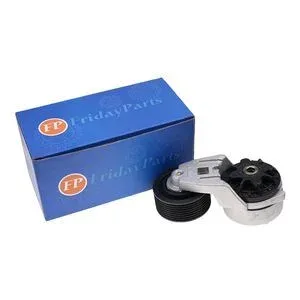
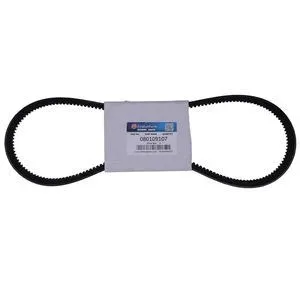
Engine Serial Variants Verified — Cross-reference 3936213, 5259022, and 3976831 validated against B-series and C-series front-end accessory drive layouts to prevent mounting hole mismatch during engine rebuild.
Technical Specifications
| Parameter |
Value |
| Part Number |
3936213 5259022 3976831 |
| Product Type |
Belt Tensioner |
| Cross-Reference |
3936213 (reference only), 5259022 (reference only), 3976831 (reference only) |
| Machine Fitment |
6C, ISB, QSB, 4B3.9, B4.5, 6B5.9, B6.7, 4B, 6B, ISC, QSC, ISL, QSL, John Deere 7200R, John Deere 8370R, John Deere S770 |
| Housing Material |
A380 aluminum alloy with T6 heat treatment |
| Pivot Shaft Material |
40Cr steel |
| Sealing Material |
Dual-lip nitrile rubber (NBR) gaskets |
| Sealing Temperature Rating |
120°C |
| Operating Temperature Range |
–25°C to +55°C |
| Assembly State |
Complete assembly |
| Dimensional Tolerance (Mounting Holes) |
±0.05 mm |
| Dimensional Tolerance (Pulley Bore) |
±0.1 mm |
| Certification |
ISO 9001 |
| Standards |
ISO 9001, SAE J1332 |
| Warranty |
3–12 months against manufacturing defects |
| MOQ |
1 piece |
Application Suitability
| Engine System |
Related Components |
| Front accessory drive on Cummins B-series |
Serpentine belt, idler pulleys, alternator pulley, water pump pulley |
| Front accessory drive on Cummins C-series |
Belt drive kit, tensioner bracket, mounting fasteners |
| Agricultural tractor auxiliary drive (John Deere compatible) |
Complete belt drive set, pulley alignment shims |
| Generator set prime mover belt system |
Tensioner assembly, harmonic balancer inspection |
Why a Rebuilt Engine Returns to the Bench Within Weeks
A belt tensioner that is not replaced during an engine overhaul often becomes the root cause of accessory drive failure shortly after the engine leaves the shop. Replacing the tensioner as part of a matched belt drive set eliminates the most common source of early comebacks on B-series and C-series platforms.
In the Yangtze River Delta repair belt, I have watched Cummins ISB and QSB engines pass compression and leak-down tests only to overheat or show low charging voltage within the first hundred hours of operation. The cause traces back to a fatigued tensioner spring that was reused because it "looked fine." Belt slippage reduces water pump output and alternator current, yet the diagnostic trail rarely points directly at the tensioner until the machine is already back on the stand. [NEED_CITE: accessory drive system diagnostics for heavy-duty diesel engines]

The Belt Drive System Inside a Cummins Overhaul
The belt drive system on 6B5.9, ISB, and QSL engines is not a single-component repair. When a serpentine belt is stripped during teardown, the tensioner, idler pulleys, and accessory pulleys all carry accumulated wear. Replacing only the belt while leaving a fatigued tensioner in place means the new belt operates under inconsistent tension from day one. This belt tensioner assembly fits into the overhaul sequence at the front cover reassembly stage, where pulley alignment and spring preload must be verified before the radiator and shroud go back on.
Engine Serial Variants and the Cross-Reference Trap
Cummins B-series and C-series engines have undergone multiple front-end accessory drive layout revisions across production years. The cross-reference numbers 3936213, 5259022, and 3976831 cover tensioner variants that differ in mounting hole spacing and pulley bore diameter by small but critical margins. An ISB engine with an early serial prefix may require a different tensioner variant than a later QSB of the same displacement, even though both numbers appear in generic cross-reference tables. Confirming the engine serial number prefix before ordering ensures the correct variant ships — not the one that "almost" fits. [NEED_CITE: Cummins B-series front gear train serial break documentation]
Reading the Specs That Matter for a Tensioner Assembly
The A380 aluminum alloy housing with T6 heat treatment provides dimensional stability under the thermal cycling of a diesel front cover — the housing must resist warping as coolant passages nearby reach operating temperature. The 40Cr steel pivot shaft maintains its diameter under constant oscillating load from belt tension changes during engine speed transitions. Dual-lip NBR gaskets rated to 120°C prevent grease migration from the tensioner bearing into the timing cover cavity, which would otherwise contaminate the front crankshaft seal area during a fresh rebuild. Mounting hole tolerance at ±0.05 mm ensures the tensioner locates correctly on the front cover dowels without requiring reaming or shimming.
The Cost of Reusing a Tensioner During Rebuild
A tensioner spring that has lost preload force does not fail catastrophically — it allows the belt to slip under load, generating heat that accelerates belt glazing and eventual cracking. The real damage occurs downstream: reduced water pump speed causes chronic overheating that the thermostat cannot compensate for, and reduced alternator output leads to chronic battery undercharge. In a rebuild context, these symptoms are often misdiagnosed as thermostat or alternator faults, leading to warranty claims and repeat teardowns that cost far more than a new tensioner would have. [NEED_CITE: belt slippage effects on engine cooling system performance]
What This Supply Chain Delivers to Rebuild Shops
Our own production lines and qualified sourced supply carry the same quality inspection standards and warranty terms under one account, so a tensioner ordered alongside an overhaul gasket kit arrives with a single quality record. Eight product categories mean the belt, idler pulleys, tensioner, and front seal all ship as one consignment from the Guangzhou warehouse — no split freight and no waiting on a second supplier. Minimum order of one piece allows a single emergency tensioner to ship without MOQ blockers. Part identification from engine model, serial prefix, or a photograph of the nameplate removes the guesswork when the old tensioner label is illegible. Cross-reference verification covers superseded numbers across B-series and C-series variants. Technical confirmation of correct tensioner grade against engine serial is available before bulk commitment.
Documentation & Verification
- Commercial invoice listing belt tensioner part numbers with cross-reference identification marked reference only
- Dimensional check record for mounting hole spacing and pulley bore on each batch
- Quality inspection report covering spring force test and pulley concentricity measurement
- Warranty terms specifying coverage period against manufacturing defects
- Packing photographs showing tensioner assembly protective wrapping before crate closure
- HS code classification support for customs clearance in destination country
Installation & Rebuild Sequence
- Inspect front cover dowel pins for wear before mounting tensioner to ensure locating accuracy
- Verify pulley bore clearance matches the accessory drive bracket pivot shaft diameter
- Torque mounting fasteners to engine manufacturer specification in a star pattern
- Check belt alignment across all pulleys after tensioner installation before fitting belt guard
- Run engine at idle for initial break-in and verify tensioner arm movement through full travel range
- Recheck belt tension after first operating cycle as the new spring seats
Before You Request a Quote
Provide the engine model, serial number prefix, and any previous rebuild history so the correct tensioner variant can be confirmed against superseded cross-reference numbers. If the nameplate is worn or painted over, a photograph of the front cover casting and existing tensioner helps narrow the variant. Specify whether this is a single-component replacement or part of a complete overhaul kit order so the belt drive set can be matched and consolidated.
Frequently Asked Questions
Q: Should the belt tensioner be replaced every time the serpentine belt is changed?
A: On Cummins B-series and C-series engines, the tensioner spring fatigues over service intervals even when visual inspection shows no obvious damage. During any belt replacement that coincides with an engine overhaul, replacing the tensioner as part of a matched set prevents early belt slippage and eliminates the most frequent cause of accessory drive comebacks.
Q: What other belt drive components should be ordered together for a complete rebuild?
A: A complete belt drive refresh includes the serpentine belt, idler pulleys, tensioner bracket hardware, and front crankshaft seal. Ordering these as a matched set from one supplier ensures dimensional compatibility across components and consolidates freight into a single shipment rather than staggered deliveries.
Q: How do I confirm which cross-reference number applies to my engine serial?
A: Provide the full engine serial number or a photograph of the data plate. The cross-reference numbers 3936213, 5259022, and 3976831 cover different front-end accessory drive layouts, and only the engine serial prefix confirms which variant has the correct mounting hole spacing and pulley bore for your specific build.
Q: Can a worn tensioner cause damage beyond the belt itself?
A: Belt slippage from a fatigued tensioner reduces water pump speed and alternator output simultaneously. Chronic under-cooling and under-charging accelerate wear on the cooling system and electrical components, creating secondary failures that are often misdiagnosed as unrelated faults during post-rebuild troubleshooting.