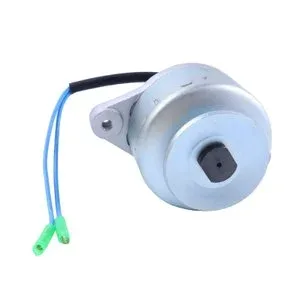
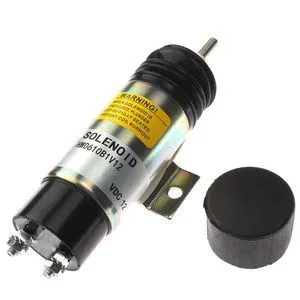
Matched System Components — Stop solenoid variants cross-checked against engine serial ranges to prevent electrical mismatch and repeat bench returns.
Technical Specifications
| Parameter |
Value |
| Part Number |
P12972 |
| Product Type |
Stop Solenoid |
| Cross-Reference |
1502ES-12C7U1B1, 1502ES12C7U1B1, ES1502C-12V T20, ES1502C12VT20 (reference only) |
| Machine Fitment |
TD34, SD34, SD50, HR17D, HR21D, HR10, HR12, HR15N, HR17N, 120SD, 170SD, NL210 |
| Voltage |
12V DC |
| Operating Range |
10–14V DC |
| Coil Impedance |
12.8 ± 0.5 Ω |
| Response Time |
<35ms |
| Armature Material |
Cold-drawn low-carbon steel |
| Encapsulation |
Sealed epoxy |
| Dimensional Tolerance |
±0.1 mm |
| Condition |
New Aftermarket |
| Warranty |
6 months against manufacturing defects |
| MOQ |
1 piece |
| Standard |
ISO 9001 |
Application Suitability
| Engine System |
Related Components |
| Fuel Shutoff & Throttle Control |
Fuel solenoid wiring harness, ECU relay, inline fuse |
| Diesel Idle Stability Circuit |
Throttle position sensor, idle speed control valve |
| Engine Shutdown Logic |
Ignition switch contacts, shutdown relay, key cylinder |
| High-Cycle Start-Stop Systems |
Heavy-duty battery terminals, starter solenoid, glow plug relay |
Diagnosing Recurring Solenoid Failures After Engine Overhauls
Replacing the failed unit without tracing the electrical fault often returns the machine to the bench within weeks.
A mismatched stop solenoid causes erratic RPM, repeated ECU faults, or failure to shut down. In many diesel rebuilds, the root cause is an impedance mismatch between the coil and the controller, or a degraded harness connector that introduces resistance [NEED_CITE: diesel engine ECU fault code diagnostic procedures]. When the same base number covers several engine serial variants, a coil with slightly different winding resistance can trigger intermittent fault codes that mimic mechanical failure. Technicians often swap the part twice before checking the wiring path, wasting valuable turnaround time on a machine that should be earning revenue.

The Role of Fuel Shutoff Control in Diesel Rebuild Sequencing
During a complete diesel overhaul, the 12V Stop Solenoid engine rebuild component sits at the intersection of mechanical assembly and electronic control. It manages fuel delivery timing and engine shutoff in diesel-powered Niftylift units, directly affecting idle stability and shutdown reliability. If the solenoid response lags or the armature stroke does not match the injection pump lever geometry, the engine may stall under variable load or fail to cut fuel when the key is turned off. This component must be verified alongside the injection pump calibration state.
Engine Serial Variants and Electrical Impedance Matching
Different production runs of the same engine model often use solenoids with distinct coil characteristics. Cross-reference verification across P12972, 1502ES-12C7U1B1, and ES1502C variants is essential to match the specific engine build and serial range [NEED_CITE: engine serial prefix variant identification for fuel control solenoids]. Electrical impedance and response characteristics must align with ECU expectations to prevent misreadings. Sealed epoxy construction protects internal windings from moisture and hydraulic fluid exposure in demanding engine bay environments, but a degraded harness plug can still introduce enough resistance to push the circuit outside the controller's expected window.
Reading the Specifications for Real-World Engine Bay Conditions
The operating voltage range of 10–14V DC means the coil must function reliably during cranking voltage drops as well as alternator spikes. The specified impedance of 12.8 ± 0.5 Ω determines the current draw the ECU expects; any deviation can register as an open or short circuit fault. The <35ms response time ensures the armature moves the fuel rack fast enough to prevent engine runaway during emergency shutdown. Cold-drawn low-carbon steel in the armature provides consistent magnetic permeability and dimensional stability across thermal cycles, maintaining the ±0.1 mm tolerance that keeps the fuel lever engagement precise.
The Hidden Cost of Ignoring the Control Circuit
Installing a physically compatible solenoid without verifying the harness condition or ECU calibration can lead to repeated failures that appear random [NEED_CITE: intermittent electrical fault diagnosis in mobile diesel equipment]. A corroded connector pin adds resistance, making a good solenoid look defective to the controller. The machine returns to the workshop, the part gets replaced again under warranty, and the real fault remains hidden in the wiring loom. This cycle erodes trust between the repair centre and the parts supplier while the equipment owner absorbs the downtime cost.
Why Technical Verification Matters at the Point of Supply
Our facility produces selected part lines in-house and sources the remainder from qualified ISO-certified partners, so both carry identical QC and warranty terms. Eight product categories allow a complete engine overhaul job list to ship as one consignment, eliminating mismatched lead times. Orders start from one piece, so a single emergency solenoid ships without minimum quantity barriers. Part identification works from the number, machine model, photograph, or nameplate image when the label is worn. Cross-reference verification covers superseded and alternate numbers to confirm the correct variant before dispatch. A technical team is available for compatibility and grade confirmation when engine serial data is incomplete.
Documentation & Verification
- Commercial invoice listing P12972 with cross-reference numbers marked reference only
- Part compatibility sheet confirming TD34, SD50, HR17D fitment against provided engine serial
- Quality inspection record showing coil impedance and functional response test at 12V
- Warranty terms covering manufacturing defects for six months from delivery
- Packing photographs documenting sealed epoxy condition and connector integrity before crating
- HS code and customs documentation support for international engine parts shipments
Installation & Rebuild Sequence
- Verify armature stroke against injection pump fuel rack lever before final tightening
- Clean solenoid mounting flange and engine block mating surface to ensure electrical ground path
- Check harness connector pins for corrosion and confirm 12.8 Ω impedance reading at the plug
- Torque mounting fasteners to engine manufacturer specification to avoid housing distortion
- Perform key-on and key-off cycle tests to confirm <35ms shutoff response before reassembly
Requesting a Matched Engine System Quote
Provide the engine model, serial prefix, and any previous overhaul records so the correct solenoid variant can be confirmed against the ECU calibration. If the nameplate is unreadable, a photograph of the existing solenoid label, connector type, and mounting pattern allows cross-reference verification. Including the full repair list enables consolidated dispatch of matched auxiliary components.
Frequently Asked Questions
Q: How do I confirm which cross-reference number matches my engine serial range?
A: Provide the engine serial prefix and production date. We cross-check P12972 against 1502ES-12C7U1B1 and ES1502C variants to confirm coil impedance, connector type, and armature stroke match your specific engine build. Photographs of the existing unit and its wiring plug help when the label is worn.
Q: What other engine auxiliary components should be inspected when replacing this solenoid?
A: Inspect the wiring harness connector for corrosion, the shutdown relay contacts for pitting, and the inline fuse rating. A degraded connector adds circuit resistance that causes the ECU to register a fault code even when the new solenoid is functioning within specification.
Q: Can an electrical mismatch cause ECU fault codes even if the solenoid physically fits?
A: Yes. If the coil impedance falls outside the ECU expected range, the controller may log an open or short circuit fault. This can trigger limp mode or prevent the engine from starting, even though the armature moves correctly when tested independently on the bench.
Q: Do different Niftylift models use different solenoid variants under the same base number?
A: Production changes across TD34, SD50, and HR-series models can result in different connector shapes or coil specifications under shared reference numbers. Confirming the machine model and engine serial ensures the correct variant ships, avoiding trial fitment on site.
Q: How do I verify the engine model when the nameplate is worn or painted over?
A: Photograph the injection pump data plate, the engine block casting number, and the existing solenoid mounting pattern. These reference points allow identification of the engine family and serial range when the primary nameplate is no longer legible.