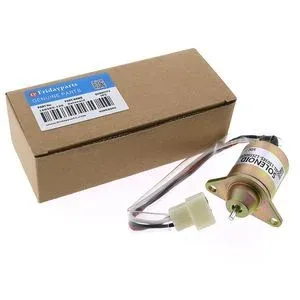
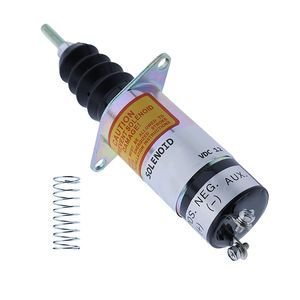
Matched Sets Shipped Together — every stop solenoid leaves our Guangzhou facility with verified coil resistance and plunger stroke records matched to your engine control system variant.
Technical Specifications
| Parameter |
Value |
| Part Number |
1503ES-12S5SUC5S |
| Product Type |
Stop Solenoid |
| Cross-Reference |
1503ES-12S5SUC5S (reference only), 1503ES12S5SUC5S (reference only), SA4562-T (reference only), SA4562T (reference only), SA-4920 (reference only), SA4920 (reference only), 1503ES-24S5SUC5S (reference only), 1503ES24S5SUC5S (reference only), SA-4850 (reference only), SA4850 (reference only) |
| Machine Fitment |
Excavators, bulldozers, generators, heavy-duty industrial engines, mining truck engines, construction fleet equipment |
| Brand Compatibility |
Replacement for Woodward engine control systems |
| Voltage |
12V |
| Condition |
New Aftermarket |
| Warranty |
3-12 months against manufacturing defects |
| Standards |
ISO |
Application Suitability
| Engine System |
Related Components |
| Fuel shutoff control |
Shutdown relay, wiring harness connectors, fuel rack linkage |
| Engine auxiliary electrical |
Voltage regulators, sensors, throttle position switches |
| Engine protection circuit |
Over-speed relays, oil pressure switches, coolant temperature sensors |
| Generator set control |
Governor interface modules, emergency stop circuits |
| Industrial engine management |
ECM interface connectors, fuel solenoid driver modules |
Why the Same Stop Solenoid Fails Again Within Weeks of Replacement
Diagnosing the root cause before swapping the stop solenoid separates a lasting repair from a repeat breakdown.
I have spent years in our Guangzhou warehouse pulling cross-reference sheets for engine rebuild shops, and the pattern is unmistakable: a stop solenoid engine rebuild replacement pulled from a shelf and bolted on without checking the relay contacts, the voltage drop across the harness, or the fuel rack condition will often fail again before the next scheduled service interval. The solenoid is the symptom, not always the disease. When the wiring harness has degraded insulation feeding intermittent voltage, or a relay contact is pitted from thousands of switching cycles, the new unit inherits the exact electrical abuse that destroyed its predecessor [NEED_CITE: electrical fault diagnosis standards for engine auxiliary control circuits]. Rebuild shops that treat the fuel shutoff circuit as a system — tracing current path from battery through relay, harness, connector, and coil — close the ticket permanently. Those that swap the component and hope tend to see the machine back on the hoist within weeks.

Where This Solenoid Sits in the Engine Auxiliary System
The 1503ES-12S5SUC5S stop solenoid operates at the intersection of the engine electrical system and the fuel delivery mechanism. When energized, the coil pulls the plunger to hold the fuel rack in the run position; when the shutdown signal arrives, spring pressure snaps the rack to zero fuel. This means the solenoid interacts directly with the throttle linkage, the shutdown relay circuit, and the physical fuel rack mechanism inside the injection pump. A stop solenoid engine rebuild replacement must be evaluated alongside these adjacent components, because wear or binding in any one of them shifts the electrical load the coil must handle.
Electrical Compatibility Beyond the Voltage Label
Confirming the coil is rated at 12V is the starting point, not the finish line. The connector type must match the existing harness plug — a mismatched pin layout forces field splicing, which introduces resistance and potential moisture ingress. The wiring harness itself should be checked for voltage drop under load; a harness that delivers 11.2V at the battery but only 9.8V at the solenoid terminal is starving the coil and accelerating thermal degradation [NEED_CITE: voltage drop testing procedures for heavy equipment wiring harnesses]. Relay contacts in the shutdown circuit should be inspected for pitting or carbon buildup, because a high-resistance relay forces the solenoid to operate at reduced magnetic force, leaving the plunger partially engaged and generating excess heat.
Reading the Specification Sheet Against Your Engine Build
The 12V rating defines the electrical system this solenoid is designed to replace within Woodward-compatible engine control architectures. The coil resistance value — documented in the quality inspection record accompanying each unit — determines how much current the solenoid draws during hold-in, which directly affects thermal loading during extended engine runs. Plunger stroke length must match the fuel rack travel of the specific injection pump variant on your engine; an oversize stroke wastes magnetic force, while an undersize stroke fails to pull the rack fully to the run position. The ISO-sourced manufacturing ensures these dimensional tolerances are held consistently across production batches, which matters when a rebuild shop is matching multiple electrical and fuel components for a single engine overhaul [NEED_CITE: dimensional tolerance standards for fuel control solenoids in diesel engines].
The Hidden Cost of Skipping the Root-Cause Check
A stop solenoid that fails because the underlying wiring fault was never corrected takes the machine down a second time, and this time the repair crew has already spent their credibility with the equipment owner. When piston, liner, and ring sets arrive at mismatched size grades because they were sourced separately without cross-checking overhaul records, the engine sits on the bench while the correct set is expedited. The same logic applies to the auxiliary electrical circuit: installing a fresh solenoid without verifying relay condition, harness integrity, and fuel rack freedom of movement is a parts gamble, not a repair [NEED_CITE: repeat failure patterns in engine auxiliary electrical systems]. The second teardown costs more in labor and reputation than the diagnostic hour that would have prevented it.
Why Rebuild Shops Source This Component Through XUNPO
Our own production lines and qualified sourced supply carry identical QC and warranty terms, so a stop solenoid engine rebuild replacement ships with the same inspection documentation whether it came off our line or a partner facility. Eight product categories under one account means the relays, connectors, and sensors that complete the fuel shutoff circuit ship in the same consignment. Minimum order from one piece allows a shop to replace only what the diagnostic confirmed, not what a bulk pack forced. Cross-reference verification covers superseded numbers like SA4562-T and SA-4920, confirmed against your engine serial variant before dispatch. A sample unit is available for fitment confirmation before the shop commits to a fleet-quantity order.
Documentation & Verification
- Commercial invoice listing each solenoid by 1503ES-12S5SUC5S identifier and quantity
- Cross-reference sheet mapping SA4562-T, SA-4920, and SA-4850 equivalents (reference only)
- Coil resistance and plunger stroke measurements recorded per unit before packing
- Warranty terms covering manufacturing defects for 3 to 12 months from delivery
- Packing photographs showing solenoid packaging integrity before crate closure
- HS code and customs classification provided for engine auxiliary electrical components
Installation & Rebuild Sequence
- Verify fuel rack moves freely through full travel range before solenoid installation
- Clean mating surface and connector pins to prevent debris-induced electrical resistance
- Confirm 12V supply at solenoid terminal under load, not just at battery post
- Torque mounting hardware to injection pump specification, checking plunger alignment
- Cycle the shutdown circuit several times with engine off to confirm full rack travel
- Log initial coil resistance reading as baseline for future diagnostic comparison
Provide Your Engine Details for System-Level Matching
Send the engine model, serial number, and any prior overhaul records so we can confirm which stop solenoid variant matches your fuel control system and whether related relays or connectors should ship in the same consignment. If the existing unit's nameplate is unreadable, a photograph of the connector and mounting pattern is enough for our technical team to verify fitment.
Frequently Asked Questions
Q: What other components should I inspect when replacing this stop solenoid?
A: Check the shutdown relay contacts for pitting, measure voltage drop across the wiring harness under load, and confirm the fuel rack moves freely without binding. Inspect the connector for corrosion or loose pins. These items are available as matched sets from our inventory so the entire circuit is refreshed during the same repair window.
Q: How do I confirm the root cause of the original solenoid failure?
A: Measure coil resistance on the failed unit and compare it against specification. If resistance is open or shorted, trace the circuit back through the relay and harness for voltage irregularities. A solenoid that failed from electrical abuse will show heat discoloration on the coil winding, while mechanical failure typically leaves the plunger scored or bent.
Q: Are there engine serial variants that require a different solenoid specification?
A: Yes. Engines produced across different build years may use different connector types or plunger stroke lengths even when the base part number appears similar. Providing the engine serial number and any rebuild history allows us to confirm the exact variant before dispatch, preventing a mismatched unit arriving at your shop.
Q: Can I order matched relays and connectors with this solenoid in one shipment?
A: Yes. Our eight-category inventory covers the relays, wiring connectors, and sensors that complete the fuel shutoff circuit. Ordering these together ensures component compatibility across the control circuit and consolidates freight into a single dispatch from our Guangzhou warehouse.