Engine Serial Variants Confirmed — We cross-check 3TNV82A against 3TNE82 before shipping any connecting rod to avoid mid-rebuild mismatches.
Technical Specifications
| Parameter |
Value |
| Product Type |
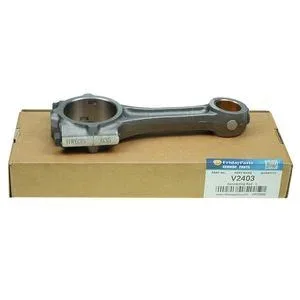
Connecting Rod |
| Machine Fitment |
Komatsu 3D82, 3D82AE; Yanmar 3TN82E, 3TNV82A, 3TNE82 |
| Oversize Grade |
STD |
| Material |
Forged SAE 4340 alloy steel |
| Tensile Strength |
1,200 MPa |
| Pin Hole Diameter Tolerance |
±0.005 mm |
| Big-end Bore Surface Finish |
Ra 0.4 μm |
| Surface Treatment |
Shot peening, black oxide coating |
| Assembly State |
New Aftermarket |
| Warranty |
6-month standard warranty against manufacturing defects |
| MOQ |
1 piece |
| Standards |
ISO 9001, ISO 8573 |
Application Suitability
| Engine System |
Related Components |
| Block & rotating assembly |
Con rod bearings, wrist pins, piston assemblies |
| Crankshaft interface |
Main bearings, thrust washers, crankshaft seals |
| Lubrication circuit |
Oil pump, oil filter, piston cooling jets |
| Overhaul kit composition |
Full gasket set, rod bolt set, bearing shell set |
Why an STD Connecting Rod Demands Rebuild History Verification Before Ordering
A connecting rod ordered without confirming crankshaft journal condition leads to wrong bearing shells and a second teardown.
In engine overhaul work across Southeast Asia, I have seen connecting rods of this type arrive on the bench only for the technician to discover the crankshaft was reground during a previous rebuild. The STD bearing shells no longer fit, and the engine sits open while undersize shells are sourced. The labor cost effectively doubles before the engine fires [NEED_CITE: engine rebuild practices and crankshaft regrind documentation standards].
The failure rarely stops at the rod itself. Oil starvation from a blocked piston cooling jet or collapsed bearing shell often causes the original rod to fail. Installing a new STD connecting rod without tracing the root fault means the replacement faces the same lubrication deficit and fails again within a short service window.

System-Level Matching for the Block and Rotating Assembly
This STD connecting rod belongs to the block and rotating assembly of Komatsu 3D82 and Yanmar 3TN-series engines. Successful rebuilds depend on matching rod grade, bearing clearance, and piston-to-crankshaft tolerances as a system, not sourcing individual parts in isolation. Each rod must pair with the correct con rod bearing grade and wrist pin fit to maintain balanced reciprocating mass across all cylinders.
Engine Serial Variants That Change Internal Dimensions
Within the Yanmar 3TN family, the 3TN82E, 3TNE82, and 3TNV82A share external dimensions but differ in internal component specifications. The big-end bore diameter and pin hole tolerance can shift between serial variants, meaning a rod that physically enters one engine build may not achieve correct bearing crush or oil clearance in another. Confirming the exact engine serial number — not just the base model — is essential before releasing any STD connecting rod from stock [NEED_CITE: Yanmar engine serial variant identification for 3TN and 3TNV series].
Reading the Specifications That Matter at Rebuild
Forged SAE 4340 alloy steel provides the tensile strength required for the cyclic loading in these compact diesel platforms. The pin hole diameter tolerance of ±0.005 mm controls the interference fit with the wrist pin, preventing pin walk and piston slap at operating temperature. The big-end bore surface finish at Ra 0.4 μm ensures proper oil film formation between the rod journal and bearing shell. Shot peening introduces compressive residual stress on the rod surface, resisting fatigue crack initiation under repeated combustion loading.
The Hidden Cost of Grade Mismatch and Unchecked Root Cause
Ordering STD grade rods for a crankshaft that was previously reground to undersize forces the technician to either source undersize bearing shells on short notice or machine the new rod to match — neither option preserves the dimensional integrity of the matched set. When the original failure stemmed from oil starvation or bearing collapse, replacing the rod without correcting the lubrication fault leads to repeat failure, often within the first hundred operating hours [NEED_CITE: diesel engine connecting rod failure root cause analysis methods].
Sourcing From a Single Accountability Point
Our selected production lines and qualified sourced supply carry identical QC and warranty terms, so a STD connecting rod from either channel meets the same dimensional audit. Eight product categories allow a complete overhaul kit — rods, bearings, gaskets, seals — to ship under one account and one consignment. Minimum order of one piece supports single-cylinder repairs without forcing a full engine set purchase. Our technical team confirms compatibility and grade against your engine serial number before dispatch. Sample supply is available for fitment confirmation before you commit to bulk quantities. Cross-reference verification covers superseded and alternate numbers across Komatsu 3D82 and Yanmar 3TN variants.
Documentation & Verification
- Commercial invoice listing each rod by engine serial variant and oversize grade
- Part compatibility sheet marking all OEM reference numbers as cross-reference only
- Dimensional inspection record covering pin hole, big-end bore, and center distance
- Quality inspection photographs showing shot peening coverage and surface finish
- Warranty terms document specifying coverage for manufacturing defects
- HS code and customs documentation for cross-border engine parts shipments
Installation & Rebuild Sequence
- Verify crankshaft journals remain STD before installing these rods; regrind history changes everything
- Clean oil passages in each rod with compressed air to remove machining residue before assembly
- Torque rod bolts to specification in stages, confirming big-end bore roundness after final pass
- Check bearing shell crush height and oil clearance with Plastigage before fitting pistons
- Run initial break-in at reduced load to seat bearing surfaces and verify oil pressure stability
Requesting an Accurate Quotation
Provide your exact engine model, serial number, and any known rebuild history so we can confirm whether STD grade is correct for your crankshaft condition. If the engine has been overhauled previously, share the machining record or a photograph of the crankshaft journal markings. This lets us verify the right connecting rod grade and assemble a matched overhaul kit that arrives complete.
Frequently Asked Questions
Q: What else does a complete engine overhaul kit include beyond the connecting rod?
A: A full overhaul kit for these engines typically includes con rod bearing shells, main bearings, a complete gasket set, piston rings, wrist pins, and rod bolts. We assemble the kit contents based on your engine serial number to ensure every component matches the specific variant, avoiding mid-rebuild shortages.
Q: How do I confirm whether my crankshaft is still STD or has been reground?
A: Check the crankshaft journal for stamped undersize markings left by the previous machinist. If no marking exists, measure the journal diameter with a micrometer and compare against the STD specification. Our technical team can guide this verification from photographs before you order.
Q: Are connecting rods for Yanmar 3TN82E and Komatsu 3D82 interchangeable within the same engine family?
A: Not automatically. Although these engines share a common platform, internal dimensions such as big-end bore and pin hole diameter can differ between serial variants. We verify interchange compatibility against your specific engine serial number before confirming fitment.
Q: What system faults should I investigate before installing a new connecting rod?
A: Investigate oil starvation causes including blocked oil galleries, failed oil pump, or collapsed bearing shells. Check piston cooling jet function and verify the lubrication circuit delivers adequate pressure at idle. Addressing the root fault prevents the replacement rod from failing under the same conditions.
Q: How do I confirm the exact engine serial variant to avoid component mismatches?
A: Locate the engine serial plate on the block and record the full alphanumeric code. If the plate is worn or painted over, provide a photograph of the engine block casting number and any visible markings. We cross-check this against variant records to confirm correct internal specifications.