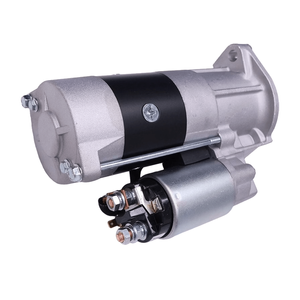
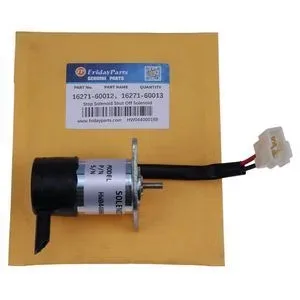
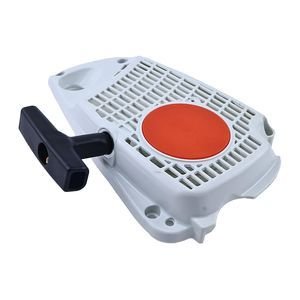
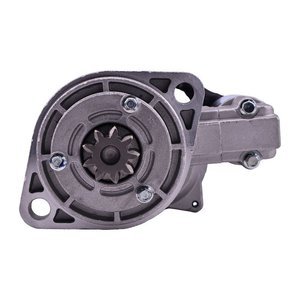
Matched System Components — Every starter motor ships with its verified electrical interface and mounting hardware checklist to prevent incomplete rebuilds on Carrier CT4-134DI platforms.
Technical Specifications
| Parameter |
Value |
| Part Number |
25-39476-00 |
| Product Type |
Starter Motor |
| Cross-Reference |
25-39476-00SV (reference only), 253947600 (reference only) |
| Machine Fitment |
Carrier CT4-134DI Tier 4, Genesis 1000, Genesis TM900, Extra XT, X4 7500, X4 6600 MT, Ultima XTC, ULTRA XL, ULTRA XTC, ULTRA XT, Vector 8600MT, X2 1800, X2 2100, X2 2100A, X2 2100R, X2 2500A, X2 2500R |
| Voltage |
12V |
| Tooth Count |
9T |
| Cold-Cranking Amps |
1,150A at -18°C |
| IP Rating |
IP65 |
| Insulation Class |
Class H (180°C) |
| Gear Type |
Planetary gear reduction |
| Pinion Engagement |
9-tooth |
| Dimensional Tolerance |
±0.05 mm |
| Condition |
New Aftermarket |
| Warranty |
6-month manufacturing defect coverage |
| Standards |
ISO 9001, SAE J1171 |
Application Suitability
| Engine System |
Related Components |
| CT4-134DI Starting Circuit |
Solenoid switch, battery cables, terminal lugs |
| CT4-134DI Flywheel Interface |
Ring gear, flywheel housing seal |
| Tier 4 Electrical Harness |
Engine wiring loom, relay assembly, fuse block |
| Cold Chain Fleet Maintenance |
Alternator, belt tensioner, battery isolator |
| Transport Refrigeration Overhaul |
Complete engine gasket set, mounting fasteners |
Systemic Failures Behind Every Burned-Out 25-39476-00 Starter Motor Engine Replacement
The part rarely fails alone; the circuit kills it.
In Shandong workshops, I have opened too many Carrier CT4-134DI units where a fresh starter motor was swapped in without checking the solenoid contacts or measuring voltage drop across the battery cables. Weeks later, the new unit returns with melted field windings. The 25-39476-00 starter motor engine replacement absorbs the blame, but the root cause lives in corroded terminals, aged relay contacts, or undersized cabling that forces the motor to draw beyond its thermal limit [NEED_CITE: electrical resistance degradation in heavy-duty vehicle starting circuits]. Each incomplete diagnosis means another warranty claim and another machine sitting cold while cargo spoils.

The Starting System as a Closed Loop
A starter motor does not operate in isolation. It sits at the end of a chain that begins at the battery, passes through isolation switches, relays, and heavy-gauge cables, and terminates at the solenoid and pinion gear. When any link in that chain introduces excess resistance, the 25-39476-00 starter motor engine replacement compensates by pulling higher amperage, generating heat that degrades the Class H insulation over time. Addressing the failed component without auditing the full circuit is the most common reason rebuild shops see repeat failures within the first month.
Carrier CT4-134DI Serial Variants and Flange Differences
Not every CT4-134DI block accepts the same starter configuration. Earlier production runs used a two-bolt mounting pattern with a specific pilot diameter, while later Tier 4 variants shifted to a three-bolt flange with revised port orientation. The base reference number may appear identical, yet the physical interface differs. Confirming engine serial range before ordering prevents the situation where a 25-39476-00 starter motor engine replacement arrives on site only to sit on a shelf because the bolt circle does not align [NEED_CITE: Carrier transport refrigeration engine serial variant identification practices]. Our technical team cross-checks serial numbers against flange drawings before confirming fitment.
Reading the Specifications That Matter
The 12V rating means this unit is designed for standard transport refrigeration electrical architecture, not 24V heavy-equipment platforms; applying higher voltage will destroy the windings within seconds of engagement. The 9-tooth pinion must mesh cleanly with the flywheel ring gear — worn or chipped ring gear teeth cause partial engagement, producing the grinding noise that precedes pinion failure. Planetary gear reduction multiplies torque output while keeping the motor body compact, which matters in the tight engine bay of a Vector 8600MT or X4 7500 unit. IP65 sealing protects against washdown ingress during trailer sanitation, and Class H insulation provides thermal headroom for repeated cold-cranking cycles in desert or coastal logistics environments where ambient temperatures push electrical components toward their limits.
The Cost of Skipping the Root-Cause Audit
Replacing only the starter motor while leaving degraded solenoid contacts in place is the equivalent of treating a symptom while ignoring the disease. The new unit inherits the same overcurrent condition that destroyed its predecessor. Shops that skip the full-circuit audit accumulate repeat visits, eroded customer confidence, and warranty exposure that exceeds the cost of a thorough diagnostic. In cold chain operations, every hour the reefer sits silent means cargo temperature drift, and a second failure on the same unit is a credibility loss no distributor can afford [NEED_CITE: cold chain cargo spoilage cost from refrigeration unit downtime].
Why Source This Component Through XUNPO
We produce selected engine auxiliary lines in-house and source the remainder from ISO-certified partners, so both channels carry identical quality control and the same 6-month warranty. Eight product categories — from starter motors to seal kits to engine gasket sets — consolidate under one account and one shipment, eliminating the mismatched lead times that stall a repair when one supplier delivers the motor but another holds up the fasteners. Minimum order is one piece, so emergency single-unit replacements move as quickly as fleet-scale stocking orders. Our Guangzhou warehouse maintains stock on high-turnover items for fast dispatch. Part identification works from a part number, a machine model, or a photograph of a worn nameplate — whichever is available on the shop floor. Cross-reference verification covers superseded numbers and alternate references, and sample supply is available for fitment confirmation before any bulk commitment.
Documentation & Verification
- Commercial invoice listing 25-39476-00 with HS code for customs clearance
- Cross-reference sheet mapping 25-39476-00SV and 253947600 variants (reference only)
- Dimensional inspection record covering flange bolt pattern and pilot diameter
- Warranty certificate specifying 6-month manufacturing defect coverage terms
- Packing photographs showing starter motor protection and crate condition pre-dispatch
Installation & Rebuild Sequence
- Verify flywheel ring gear tooth condition before mounting the 9-tooth pinion
- Clean mounting flange surface and apply specified torque to all fasteners
- Measure voltage drop across battery cables with the circuit under cranking load
- Confirm solenoid contact resistance is within specification before first engagement
- Perform initial cranking test with ammeter in circuit to validate current draw
- Log engine serial number and installation date for warranty and service tracking
Request a System-Matched Quotation
Provide your CT4-134DI engine serial number, any existing cross-reference numbers, and the list of adjacent components you plan to replace during the same service window. Our technical team will confirm flange compatibility, verify the correct variant for your production batch, and return a consolidated quote covering the starter motor and all matched system components in one shipment.
Frequently Asked Questions
Q: What related components should be replaced alongside the starter motor on a CT4-134DI?
A: We recommend inspecting and typically replacing the solenoid switch, battery cable terminals, and mounting fasteners during the same service event. Worn ring gear teeth should be addressed concurrently. Ordering these items together prevents a second teardown if a degraded adjacent component causes the new starter to fail prematurely.
Q: How do I confirm which CT4-134DI serial variant matches my unit?
A: Locate the engine data plate and record the full serial number. Different production batches use distinct mounting flange patterns and pilot diameters. Share the serial with our technical team before ordering, and we will verify the correct configuration against our fitment database to eliminate trial-and-error on the shop floor.
Q: What is the difference between 25-39476-00 and 25-39476-00SV?
A: These are cross-reference designations (reference only) that may indicate different production sources or minor specification variations within the same functional envelope. Our team verifies physical dimensions, voltage rating, and pinion configuration against your engine serial to ensure the supplied unit fits regardless of which suffix your original carried.
Q: My replacement starter keeps failing — what engine systems should I investigate?
A: Persistent starter failure points to circuit-level issues: corroded battery terminals, degraded cable insulation, failing solenoid contacts, or a weak battery unable to sustain cranking voltage. Measure voltage drop under load at each connection point. Addressing these systemic causes prevents the new motor from absorbing damage that belongs to the broader starting circuit.
Q: How do I confirm my refrigeration unit requires a 12V rather than 24V starter?
A: Check the unit battery configuration and the voltage rating stamped on the original starter data plate. Carrier CT4-134DI platforms typically use 12V architecture, but fleet conversions or older units may differ. Confirming voltage before ordering prevents immediate winding destruction on first engagement.