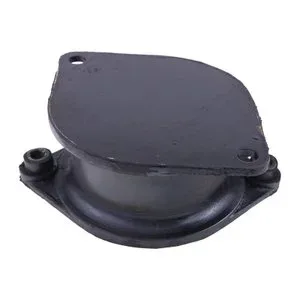
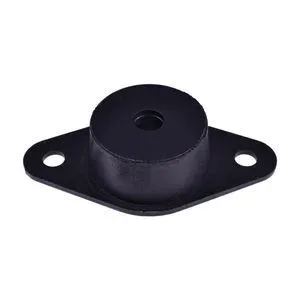
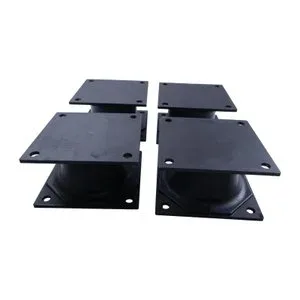
Matched Set Dispatch — Rubber mounting 1487116 for Hamm rollers ships with adjacent engine auxiliary hardware verified against your specific engine serial and rebuild history.
Technical Specifications
| Parameter |
Value |
| Part Number |
1487116 |
| Cross-Reference |
1487116 (reference only) |
| Product Type |
Cushion Damper |
| Part Name |
Rubber Mounting |
| Condition |
New Aftermarket |
| Machine Fitment |
Hamm 3205, 3307, 3307 HT, 3410, 3411, 3412, 3413, 3414, 3414 HT, 3516, 3518, 3520, 3520HT, 3625, 3625HT, DV40, DV65, DV70, DV85, DV90, DV+70i, DV+90i, H5i, H6i, H7i, H11i, H11ix, H11ixP, H12i, HD13, HD14, HD13i, HD14i, HD+70i, HD+80i, HD90, HD100, HD110, HD+90i, HD+100i, HD+110i |
| Warranty |
3-12 months against manufacturing defects |
| MOQ |
1 piece |
| Quality Standard |
ISO 9001 |
Application Suitability
| Engine System |
Related Components |
| Engine vibration isolation |
Engine-to-frame mounting bolts, lock washers, cradle shims |
| Crankshaft alignment preservation |
Main bearings, thrust washers, flywheel housing fasteners |
| Auxiliary damping circuit |
Adjacent rubber mounts (matched set), isolator bushings |
| Overhaul reassembly |
Engine gasket set, seal kits, torque-to-yield fasteners |
Why a Single Worn Mount Signals a System-Level Problem
Replacing one rubber mounting cushion damper engine rebuild without addressing adjacent mounts and root-cause contamination invites a second teardown.
In field operations, a failed cushion damper on a Hamm road roller rarely exists in isolation. Oil contamination from a leaking crankshaft seal degrades the rubber compound, while heat from prolonged compaction cycles accelerates hardening. I have seen engines where a single cracked mount was replaced, only for the engine cradle to shift under vibratory load, pulling the crankshaft out of concentricity and cracking the block within weeks [NEED_CITE: engine mount failure root cause analysis in vibratory compaction equipment]. When the cushion damper fails, every adjacent mount has endured the same thermal and chemical exposure. Treating this as a single-component swap rather than a system-level correction is the most common reason repeat failures occur during road roller overhauls.

The Vibration Isolation Circuit Within the Engine Auxiliary System
The cushion damper sits within the engine auxiliary vibration-damping circuit, forming the critical interface between the engine block and the roller frame. Its primary function is absorbing torsional oscillations generated by the engine under compaction load, preventing those forces from propagating into the crankshaft main bearings. Each rubber mounting cushion damper engine rebuild must account for the full set of mounts working together, as uneven stiffness across the mounting points concentrates load on the remaining units.
Matching Rubber Grade and Compression to Your Engine Build
Hamm rollers in the 3412 through 3625 range operate at sustained high vibration amplitudes during compaction passes. The rubber compound in this cushion damper must match the engine displacement and operating RPM range to deliver correct compression deflection. If the roller has undergone a previous rebuild where the engine was swapped or uprated, the mount variant must be reconfirmed against the current engine serial rather than the original machine data plate [NEED_CITE: engine serial variant verification for mounting compatibility]. Dimensional accuracy at the bolt pattern and load-bearing interface with the engine cradle ensures the mount seats without inducing pre-load distortion.
Reading the Specs That Determine Service Life
The rubber compound grade defines resistance to oil contamination and thermal degradation, the two dominant failure mechanisms in road roller engine bays. Load rating must correspond to the static and dynamic weight of the specific engine installation. Compression characteristics determine how much deflection the mount allows under peak vibratory load before bottoming out, which directly affects whether crankshaft alignment is maintained. Mount height and bolt spacing must match the cradle machining precisely, because even minor dimensional deviation forces the fasteners to carry bending loads they were not designed for.
What Happens When the Wrong Variant Goes In
Installing a cushion damper with incorrect load rating or rubber hardness causes the engine to sit at the wrong ride height on its mounts. This misalignment transfers vibration into the flywheel housing and transmission coupling, accelerating wear on components far more expensive than the mount itself. I have observed cases where a dimensional mismatch at the bolt pattern was forced into place, creating a pre-stressed condition that tore the rubber from the metal bonding plate within the first month of operation [NEED_CITE: consequences of forced fitment on elastomeric engine mounts]. The cost of the repeat teardown dwarfs the original part cost entirely.
Sourcing That Addresses System-Level Fitment
Production on selected lines and qualified sourced supply operate under one account and one warranty, so this cushion damper carries the same QC standard whether from our facility or a verified partner. Eight categories of engine system components mean the matched mount set, gaskets, and fasteners ship as one consignment rather than arriving from separate suppliers on different schedules. Part identification works from the part number, machine model, photograph, or nameplate image, resolving situations where the original label is worn away. Cross-reference verification covers superseded and alternate numbers, catching errors that propagate through copied reference tables. Technical team support confirms the correct mount variant for your engine serial before commitment.
Documentation & Verification
- Commercial invoice listing all matched mounts in the set by position
- Compatibility and cross-reference sheet marked reference only for OEM numbers
- Dimensional inspection record covering bolt pattern, height, and load rating
- Warranty terms specifying coverage period for manufacturing defects
- Packing photographs showing mount orientation and protective wrapping
- HS code and customs documentation support for international shipment
Installation & Rebuild Sequence
- Clean engine cradle mounting surfaces to bare metal before placing the cushion damper
- Verify all mount positions receive matched units from the same production batch
- Apply specified torque sequence to mounting bolts, working from center outward
- Check engine-to-frame alignment with a straightedge before final torque pass
- Inspect for oil leak sources above the mount location and correct before reassembly
- Run engine at idle and operating RPM to confirm vibration signature is uniform
Confirming the Right Part for Your Overhaul
When requesting a quote for this rubber mounting cushion damper engine rebuild component, provide the Hamm roller model, engine serial number, and any known rebuild history. If the engine has been swapped or overhauled previously, a photograph of the existing mount and the cradle interface helps verify the correct variant before dispatch.
Frequently Asked Questions
Q: Should all vibration mounts be replaced together during an engine overhaul?
A: Yes. Mounts degrade at similar rates from the same heat and contamination exposure. Installing a new cushion damper alongside aged mounts creates uneven stiffness, concentrating stress on the new unit and accelerating its failure. Replacing the full matched set preserves crankshaft concentricity and avoids a second teardown.
Q: How do I confirm which mount variant fits my engine serial?
A: Provide the Hamm roller model and the engine serial number from the block data plate, not just the machine nameplate. If the engine was replaced during a prior rebuild, the current serial determines the correct mount variant. A photograph of the removed cushion damper alongside the cradle surface helps verify bolt pattern and height.
Q: What other engine auxiliary parts should be inspected when replacing this damper?
A: Inspect adjacent mounts, engine-to-frame fasteners for stretch or corrosion, the engine cradle mounting surface for flatness, and any oil seals or gaskets positioned above the mount location. Oil contamination is a leading cause of premature rubber degradation and must be addressed during the same service event.
Q: Can oil contamination cause premature mount failure and how to prevent it?
A: Engine oil and hydraulic fluid soften and dissolve the rubber compound over time, causing the cushion damper to lose load-bearing capacity. Identify and repair any leaking seals, valve cover gaskets, or hydraulic fittings above the mount position before installing new units. Route drip shields where applicable.
Q: Is a sample available to verify fitment before ordering for a full fleet?
A: Sample supply is available for fitment confirmation on a single roller before committing to a fleet-wide order. The sample undergoes the same dimensional verification and arrives with a compatibility sheet so you can confirm bolt pattern, height, and cradle interface match before bulk procurement.