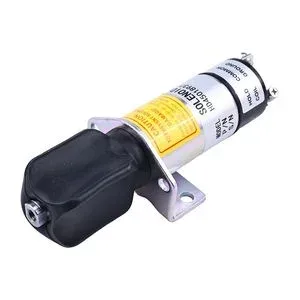
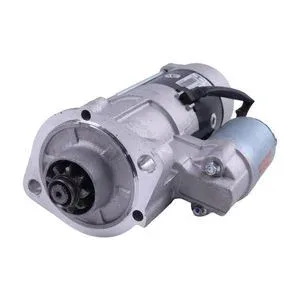
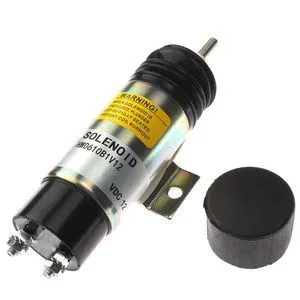
Matched Electrical Components — 12V Throttle Solenoid shipped with verified cross-reference against Niftylift engine serial variants
Technical Specifications
| Parameter |
Value |
| Part Number |
P12972 |
| Product Type |
Stop Solenoid |
| Cross-Reference |
1502ES-12C7U1B1, 1502ES12C7U1B1, ES1502C-12V T20, ES1502C12VT20 (reference only) |
| Machine Fitment |
TD34, SD34, SD50, HR17D, HR21D, HR10, HR12, HR15N, HR17N, 120SD, 170SD, NL210 |
| Voltage |
12V |
| Condition |
New Aftermarket |
| Warranty |
3-12 months |
| Certification |
ISO 9001 |
Application Suitability
| Engine System |
Related Components |
| Fuel delivery control |
Fuel lines, injectors, fuel filter |
| Electrical throttle regulation |
Wiring harness, control relays, ECU connectors |
| Engine speed management |
Governor linkage, throttle cable, return springs |
| Aerial platform power unit |
Engine mounts, cooling system, exhaust components |
Why the Same Solenoid Fails Again After Replacement
A new 12V Throttle Solenoid engine rebuild replacement fixes the symptom, not the root cause.
On desert job sites from Riyadh to Dubai, I have pulled solenoids that failed within weeks because nobody checked the wiring harness that cooked the coil, or the fuel contamination that jammed the plunger. Replacing the solenoid without tracing the electrical signal path and fuel condition leads to repeat failures. Engine auxiliary components rarely fail in isolation — the system around them usually contributed to the breakdown [NEED_CITE: engine auxiliary component failure root cause analysis standards].

The Fuel and Electrical System This Solenoid Controls
This throttle solenoid sits at the intersection of the fuel delivery and electrical control systems in Niftylift aerial platforms. When the coil energizes, the plunger modulates fuel flow to regulate engine speed — essential for stable positioning during elevated work. A 12V Throttle Solenoid engine rebuild replacement must match both the voltage specification and the connector type specific to your engine variant.
Adjacent components in the fuel circuit — inline filters, supply lines, return hoses — should be inspected for restriction or contamination during solenoid replacement. The electrical side demands equal attention: corroded terminals, damaged insulation, or marginal relay contacts can starve the coil of proper voltage, causing intermittent engagement or complete failure. Engine rebuild shops sourcing this component typically verify the entire control circuit before committing to installation [NEED_CITE: aerial platform engine electrical system diagnostic procedures].
Engine Serial Variants and Connector Differences
Niftylift models like the TD34 and HR17D span multiple production years, and engine serial variants within the same model designation may use different solenoid connectors or mounting patterns. An early-build TD34 might accept a spade terminal connection while a later unit requires a sealed weatherpack connector. Cross-reference part numbers P12972 and 1502ES-12C7U1B1 (for identification purposes) help narrow the search, but physical verification against the engine plate remains essential.
Previous rebuilds complicate identification further. An engine swapped during overhaul may carry a different serial number than the chassis records indicate, meaning the solenoid specified for the original power unit no longer matches. Sending a photograph of the engine nameplate — even if worn or paint-splattered — allows technical verification before dispatch. This step prevents the costly cycle of receiving an incompatible unit, returning it, and waiting for the correct variant while the machine sits idle.
What the Voltage and Plunger Specifications Mean in Practice
The 12V coil specification is not merely a nominal rating — it defines the magnetic force profile across the operating temperature range encountered in engine compartments. In Middle Eastern conditions where ambient temperatures regularly exceed 45°C, coil resistance increases with heat, reducing magnetic pull. A solenoid designed with adequate thermal margin maintains consistent plunger stroke even at elevated under-hood temperatures.
The precision-machined plunger and housing maintain tight diametral clearance to prevent oil ingress from the engine bay environment. Contaminated oil reaching the coil winding causes insulation breakdown and eventual short-circuit failure. Housing material and seal design directly affect how long the electrical integrity survives in an oil-mist environment typical of construction equipment engine compartments [NEED_CITE: solenoid ingress protection requirements for mobile equipment engine bays].
The Cost of Missing the Systemic Failure
Installing a fresh solenoid without addressing upstream causes creates a predictable failure loop. Contaminated fuel accelerates plunger wear. Marginal wiring connections cause voltage drop, leading to partial engagement and overheating. A faulty control relay may subject the coil to voltage spikes during switching, degrading insulation over repeated cycles.
Each repeat failure means another shutdown on a job site where the aerial platform is critical path equipment. The machine sits non-productive while the diagnosis repeats. Shops that treat solenoid replacement as a system-level intervention — checking fuel condition, verifying wiring integrity, testing relay operation — see meaningfully longer service intervals between repeat failures [NEED_CITE: engine system diagnostic protocols for aerial work platforms].
Why Source This Component Here
Own production on selected electrical component lines plus qualified sourced supply means consistent quality control and warranty terms across the entire engine auxiliary category. Whether you need one solenoid for an emergency repair or matched sets for a fleet overhaul, minimum order starts at one piece.
Cross-reference verification covers superseded numbers and alternate references — essential when legacy Niftylift documentation conflicts with current parts catalogs. Technical team availability means you can confirm connector type, voltage specification, and engine serial compatibility before committing to purchase. Sample supply allows fitment confirmation on your specific engine variant before bulk orders ship, eliminating the risk of stocking incompatible inventory.
Documentation & Verification
- Commercial invoice listing P12972 with applicable HS code for customs clearance
- Cross-reference sheet mapping 1502ES-12C7U1B1 and alternate numbers (reference only)
- Coil resistance and plunger stroke measurement recorded before dispatch
- Warranty terms covering material and workmanship for specified period
- Packing photographs showing protective packaging for electrical components
Installation & Rebuild Sequence
- Disconnect battery negative terminal before removing existing solenoid wiring
- Compare connector type and pin configuration against new unit before installation
- Verify plunger stroke matches specification using depth gauge measurement
- Clean mounting surface and apply appropriate thread sealant if required
- Test coil resistance at connector before final wiring connection
- Run engine and verify throttle response across full speed range
Request Compatibility Verification Before Ordering
Provide your Niftylift model designation and engine serial number so the technical team can confirm connector type and voltage specification match your specific build variant. If the engine nameplate is worn or unreadable, photographs of the existing solenoid connector and mounting pattern allow identification. Engine rebuild shops should share any previous overhaul records that might indicate component substitutions or electrical system modifications.
Frequently Asked Questions
Q: What other engine system components should I inspect when replacing the throttle solenoid?
A: Inspect fuel lines for restriction, wiring harness terminals for corrosion, and control relays for proper switching function. Fuel contamination and electrical connection degradation are common root causes that will destroy a replacement solenoid quickly if unaddressed. System-level diagnosis prevents repeat failures.
Q: How do I confirm the solenoid connector matches my Niftylift engine variant?
A: Engine serial variants within the same Niftylift model may use different connector types. Photograph your existing solenoid connector and engine nameplate, then share these with the technical team for verification against build records before ordering.
Q: Can engine serial differences affect solenoid compatibility within the same machine model?
A: Yes. Production changes and engine swaps during previous overhauls mean the chassis model alone may not determine the correct solenoid variant. Always verify against the actual engine serial number and physical connector configuration on your unit.
Q: What systemic issues cause repeated throttle solenoid failures?
A: Common root causes include contaminated fuel accelerating plunger wear, voltage drop from degraded wiring causing overheating, and control relay faults subjecting the coil to switching spikes. Addressing these upstream issues extends replacement intervals significantly.
Q: How do I identify my engine model if the nameplate is worn or painted over?
A: Photograph the existing solenoid, its connector, and any visible casting numbers on the engine block. Cross-referencing these details against component specifications and machine build records typically allows positive identification even without a readable nameplate.