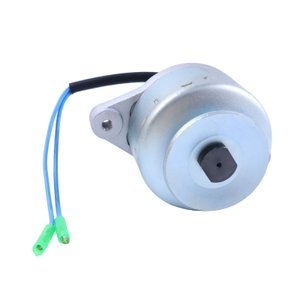
Matched Sets Shipped — Every stop solenoid in this Deutz 914 series order is verified against engine serial variants before dispatch to prevent field mismatch.
Technical Specifications
| Parameter |
Value |
| Part Number |
35DZS1E2 |
| Product Type |
Stop Solenoid |
| Cross-Reference |
04233841, 04234373, 35DVZS1E2 (for identification purposes) |
| Machine Fitment |
BFL914, BF 3L 914, D 3L 91403, F 3L 914, D 4L 91404, D 5L 91406, F 5L 914, D 6L 91406, TCD 6L 91406 |
| Voltage |
12V DC |
| Coil Resistance |
1.8–2.2 Ω @ 20°C |
| Pull-in Voltage |
≤9.0 V |
| Release Time |
≤35 ms |
| Holding Force |
≥2.1 N·m |
| Actuation Endurance |
500,000+ cycles |
| Plunger Core Material |
Cold-forged low-carbon steel |
| Coil Protection |
Sealed epoxy-coated |
| Air Gap Tolerance |
≤0.02 mm |
| Surface Treatment |
Passivated stainless contact points |
| Condition |
New Aftermarket |
| Warranty |
6 months against manufacturing defects |
| MOQ |
1 piece |
Application Suitability
| Engine System |
Related Components |
| Fuel Cutoff / Shutdown System |
Fuel shutoff relay, ignition switch harness, wiring connector |
| Engine Overhaul Auxiliary |
Thermostat, oil pressure sender, coolant temperature sensor |
| Engine Control Circuit |
Engine stop relay, fuse block, terminal connectors |
| Generator Set Auxiliary |
Emergency stop module, governor solenoid, voltage regulator |
Why the Same Deutz 914 Part Number Fails on Half the Engines
A 12V Stop Solenoid engine rebuild must be matched to the specific engine serial range, not just the engine family.
The Deutz 914 series spans multiple displacement variants and production generations. During years of supporting rebuild shops across the Pearl River Delta, I have encountered situations where a solenoid that physically threads into the fuel pump housing will not actuate because the ignition control module sends a different signal profile on later serial ranges. One rebuild shop received a standard 35DZS1E2 variant for a machine running an early-production BF 3L 914, and the plunger would not seat against the fuel rack, leaving the engine unable to shut down through the key switch. [NEED_CITE: Deutz engine serial range variant identification procedures for fuel system components]
This kind of mismatch does not show up on a bench test with a direct battery connection. It only appears when the solenoid is wired into the actual machine harness, which means the engine is already partially reassembled. The cost is not just the solenoid — it is the labor to pull it back out, the delay on the machine return to service, and the credibility hit with the equipment owner waiting for their unit.

The Stop Solenoid Inside the Deutz 914 Fuel Cutoff Circuit
This stop solenoid sits at the intersection of the electrical control circuit and the mechanical fuel delivery system. When the ignition key turns off, the control module cuts voltage to the solenoid coil, and the plunger retracts under spring pressure to block the fuel rack or close the shutoff valve. In the Deutz 914 architecture, this component replaces the older mechanical pull-cable shutoff, giving the operator a single-key shutdown without reaching for a secondary lever.
During a 12V stop solenoid engine rebuild, this unit should be evaluated alongside the shutoff relay and the wiring harness connector. A relay with pitted contacts will deliver inconsistent voltage to the coil, causing intermittent shutoff failures that get blamed on the solenoid itself. Replacing the solenoid without checking the relay and connector condition leads to repeat failures within the first few hundred operating hours.
Engine Serial Variants That Change the Fitment Picture
The Deutz 914 family includes naturally aspirated and turbocharged variants across the BF, D, F, and TCD prefixes. Within a single model designation such as D 5L 91406, production serial ranges may differ in the fuel pump housing bore diameter, the electrical connector type, or the plunger stroke length. [NEED_CITE: aftermarket cross-reference verification standards for Deutz fuel system variants]
I once traced a fitment failure back to a connector difference — an early serial range used a two-pin spade connector while a later range switched to a sealed Deutsch-style plug. The solenoid was electrically correct but physically could not mate with the existing harness without an adapter. Confirming the engine serial number and the original solenoid connector style before ordering eliminates this class of error entirely.
Reading the Coil and Plunger Specifications for Field Relevance
The coil resistance of 1.8–2.2 Ω at 20°C means the solenoid draws approximately 5.5–6.7 amps at nominal 12V during the initial pull-in phase. This current spike must be supported by the wiring gauge and relay contact rating in the machine harness. Undersized wiring or a relay rated below this draw will cause voltage drop at the coil, preventing the plunger from reaching full travel and leaving the fuel rack partially open.
The pull-in voltage specification of ≤9.0 V ensures reliable actuation even when battery voltage sags during engine cranking or when long harness runs introduce resistance. In generator set applications where the stop solenoid may need to actuate during a low-battery shutdown event, this margin matters. The sealed epoxy-coated coil prevents moisture ingress that would otherwise cause resistance drift over time, particularly in port and coastal environments where salt-laden air accelerates corrosion of unsealed windings.
The cold-forged low-carbon steel plunger core maintains consistent magnetic permeability across the rated 500,000+ actuation cycles. Forged cores resist the micro-cracking that can develop in cast alternatives under repeated magnetic cycling, which would change the air gap and eventually cause the solenoid to chatter or fail to hold.
The Hidden Cost of Skipping Root-Cause Diagnosis
When a stop solenoid fails repeatedly within weeks of replacement, the new unit is rarely defective. The underlying cause typically lives upstream in the control circuit — a corroded ignition switch contact, a relay that is near end of life, or a ground path with elevated resistance. [NEED_CITE: systematic diagnosis methodology for intermittent electrical failures in diesel engine control circuits]
Replacing the solenoid without tracing the signal path is a reactive repair. The machine goes back to work, but the next solenoid will burn out prematurely because it is operating outside its intended voltage envelope. Rebuild shops that document the coil resistance and pull-in voltage on the removed unit, compare those readings to specification, and then trace the harness back to the relay and ignition switch consistently eliminate repeat failures. The solenoid itself is a symptom component — it reveals problems elsewhere in the circuit.
Sourcing This Stop Solenoid as Part of a System-Level Package
Our selected production lines and qualified sourced supply both carry the same QC standards and the same warranty terms, so a stop solenoid ordered alongside an overhaul gasket kit or a set of main bearings arrives under one account with one warranty reference. The Guangzhou warehouse maintains stock on fast-failure electrical components like this solenoid for common Deutz 914 applications, reducing lead time on rebuild jobs that cannot wait for overseas transit.
Part identification is supported through the existing part number, the machine model plate, a photograph of the old solenoid, or the engine serial number — whichever is readable on the unit in the shop. Cross-reference verification covers superseded numbers such as the transition from 35DZS1E2 to 35DVZS1E2, so buyers working from older service manuals still get the correct current-production unit. A sample unit can ship ahead of a fleet quantity for bench testing and fitment confirmation before the bulk commitment is locked in.
Documentation & Verification
- Commercial invoice listing each solenoid by part number and engine serial match
- Cross-reference sheet mapping 04233841 and 04234373 to current part numbers (reference only)
- Coil resistance and release time recorded on pre-shipment inspection sheet
- Warranty card covering manufacturing defects for six months from dispatch date
- Packing photograph showing solenoid condition and connector type before crate seal
- HS code documentation provided for customs clearance at destination port
Installation & Rebuild Sequence
- Confirm fuel pump housing bore is clean and free of carbon deposits before solenoid insertion
- Verify wiring connector pin condition and apply dielectric grease to prevent moisture corrosion
- Test coil resistance at the harness connector before final assembly to confirm signal path integrity
- Perform bench actuation test with machine battery voltage to verify full plunger travel and release
- Check engine shutoff response time during first start-up to confirm solenoid closes fuel rack completely
Requesting a Fitment-Confirmed Quote
Send the engine model designation, the engine serial number from the data plate, and a photograph of the existing solenoid connector if the part number label is illegible. With these three items, the correct variant can be identified against the Deutz 914 serial range database and quoted with confirmed compatibility. For rebuild shops planning an overhaul package, include the full engine teardown list so matched auxiliary components can ship together.
Frequently Asked Questions
Q: What other engine auxiliary components should be checked when replacing this stop solenoid?
A: Inspect the shutoff relay, the ignition switch contacts, and the wiring harness connector for corrosion or resistance buildup. A relay with pitted contacts will deliver inconsistent voltage, causing the new solenoid to fail prematurely. Replacing the relay and cleaning the connector terminals during the same service event prevents repeat shutdown failures within the first few hundred hours.
Q: Does this solenoid require an external relay or work directly with the Deutz ignition signal?
A: The coil resistance and pull-in voltage are calibrated to operate with the standard Deutz 914 ignition control signal path. An external relay is not required for basic function, but the existing machine relay must be in good condition with clean contacts. If the relay is original to an older machine, replacement during the solenoid swap is recommended.
Q: How do I confirm the correct part number if my existing solenoid label is worn or unreadable?
A: Provide a photograph of the solenoid body, the connector type, and the engine serial number plate. These three reference points allow identification against the Deutz 914 serial range database, including superseded numbers. The engine serial number is the most reliable identifier when production variants differ in connector style or plunger stroke.
Q: Are there variant differences across Deutz 914 series engine builds that affect fitment?
A: Yes. Within the same engine family designation, different serial ranges may use different connector types, plunger stroke lengths, or housing bore diameters. Confirming the full engine serial number before ordering ensures the solenoid variant matches the specific fuel pump housing and wiring harness on your machine, avoiding field installation failures.
Q: Can I order a sample unit for bench testing before committing to a fleet quantity?
A: A single sample unit can be dispatched for fitment and actuation testing on your bench or in one machine before a larger order is placed. This confirms connector compatibility, plunger travel, and shutoff response under your actual harness conditions. Sample supply carries the same warranty terms as bulk production units.