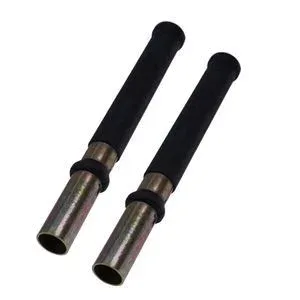
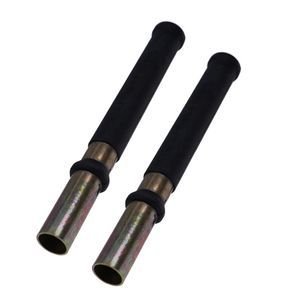
Matched Lubrication Circuit Sets — Oil cooler pipe plug cross-reference 04179404 shipped with verified mating seals for Deutz 1011 and 2011 series engines.
Technical Specifications
| Parameter |
Value |
| Part Number |
04179404 |
| Product Type |
Oil Cooler Pipe Plug |
| Cross-Reference |
04178036, 4179404, 4178036 (reference only) |
| Machine Fitment |
DL2011, BFL2011, BFL1011, 1011, 2011 |
| Brand Compatibility |
Deutz |
| Quantity per Set |
2 PCS |
| Condition |
New Aftermarket |
| Warranty |
3–12 months against manufacturing defects |
| Manufacturing Standard |
ISO-certified production |
Application Suitability
| Engine System |
Related Components |
| Lubrication circuit sealing |
Oil cooler gaskets, line seals, mating fasteners |
| Engine oil cooling loop |
Cooler core, thermostat housing seals, return line fittings |
| Crankcase pressure management |
Crankcase breather seals, oil filler cap gasket |
| Overhaul sealing package |
Full engine gasket set, front and rear main seals |
Why Rebuilds Return to the Bench Within Weeks
A single leaking plug often signals a wider circuit problem that a parts swap alone cannot fix.
I spent years verifying part numbers in a Southeast Asian warehouse before moving into technical support, and the pattern was unmistakable. An oil cooler pipe plug (cross-reference 04179404) would be replaced, the engine would run clean for a short period, then the same lubrication fault reappeared. The plug was never the root cause — it was the weakest seal in a cooling circuit where thermal cycling had already degraded adjacent gaskets and line connections. Deutz 1011 and 2011 engines operate under sustained thermal load in construction and agricultural applications, and every seal in that loop ages together. Rebuilding the engine without addressing the full lubrication and cooling circuit means the next failure is already scheduled. [NEED_CITE: thermal cycling effects on elastomeric seals in diesel engine lubrication circuits]

Where This Plug Sits in the Deutz Lubrication Loop
The Oil Cooler Pipe Plug seals a junction point in the oil cooler line routing on Deutz DL2011, BFL2011, and BFL1011 engines. Oil leaving the pump passes through the cooler before reaching bearings and galleries, so any leak at this plug reduces both cooling capacity and lubrication pressure simultaneously. During a full engine rebuild, this plug should be treated as part of the matched sealing set rather than an isolated hardware item.
Engine Serial Variants and What Changes Between Builds
Deutz 1011 and 2011 families span multiple production runs with internal configuration differences that affect oil cooler line routing and plug thread engagement. An engine that has been through a previous overhaul may already have non-standard cooler line fittings or adapted sealing surfaces. Confirming the engine serial number against build documentation prevents receiving a plug with incorrect thread pitch or reach for a modified cooler circuit. [NEED_CITE: Deutz 1011 and 2011 engine serial variant differences in lubrication plumbing]
Reading the Specifications That Matter
Thread precision on this Oil Cooler Pipe Plug determines whether the seal is metal-to-metal or gasket-dependent at the mating surface. The plug must achieve full thread engagement without bottoming out, which requires correct reach length for the specific cooler housing casting. Material compatibility with engine oil at sustained operating temperature prevents thread corrosion and seizure during future service events. The 2-piece quantity reflects the typical port count on the cooler line junction for these Deutz engine families, and ordering matched pairs ensures both sides of the circuit receive identical sealing performance.
What Happens When the Root Cause Goes Unchecked
Replacing only the failed plug without inspecting cooler line condition and adjacent seals leaves the underlying degradation in place. The new plug seals correctly at installation, but continued thermal stress on the surrounding circuit produces a secondary leak at a different weak point within a short operating window. The engine returns to the teardown bench, and the labour cost of a second overhaul far exceeds the cost of a complete matched sealing set ordered during the first rebuild. [NEED_CITE: repeat teardown costs from incomplete lubrication circuit servicing in mobile diesel engines]
Why Sourcing From Here Reduces Rebuild Risk
Our own production lines and qualified sourced supply operate under one warranty, so every plug and matching gasket in the lubrication set carries identical quality terms. Eight product categories under a single account means the cooler plug, line seals, overhaul gasket kit, and fastener sets ship as one consignment. Minimum order from one piece supports emergency single-engine repairs without forcing unnecessary stock purchases. Cross-reference verification against superseded numbers like 04178036 catches interchange errors before dispatch. Technical confirmation of engine serial variants prevents shipping a plug dimensionally correct for one 2011 sub-variant but wrong for another.
Documentation & Verification
- Commercial invoice listing plug quantity, cross-reference 04179404, and HS code
- Lubrication circuit compatibility sheet marking OEM numbers as reference only
- Dimensional inspection record covering thread pitch, reach, and seat angle
- Warranty terms covering manufacturing defects for 3–12 months
- Packing photographs showing plug sets sealed and labelled before crate closure
Installation & Rebuild Sequence
- Clean cooler housing thread bores with solvent and verify no residual sealant before plug insertion
- Apply manufacturer-specified thread sealant or torque to printed specification to avoid housing crack
- Replace oil cooler line gaskets and mating seals during the same teardown event as plug installation
- Pressure-test the completed lubrication circuit at operating temperature before reassembling external covers
- Record engine serial number and plug cross-reference on the rebuild sheet for future service reference
Send Engine Details Before Ordering
Provide the Deutz engine model designation, serial number, and any known rebuild history to confirm which 1011 or 2011 variant is in service. If the engine nameplate is worn, a photograph of the cooler housing and existing plug thread allows identification before dispatch. Supplying the full overhaul parts list enables matched component grouping in a single shipment.
Frequently Asked Questions
Q: What other lubrication and cooling components should be replaced alongside this plug?
A: Oil cooler gaskets, cooler line seals, thermostat housing seals, and mating fasteners should all be inspected and typically replaced during the same service event. These components share the same thermal aging cycle, and replacing only the plug leaves degraded seals in the circuit that will fail shortly after reassembly.
Q: Do different Deutz 1011 and 2011 serial ranges use different oil cooler fittings?
A: Yes. Production changes across the 1011 and 2011 families introduced variations in cooler line routing and thread specifications. Confirming the engine serial number against build documentation ensures the plug reach and thread pitch match the specific cooler housing casting on your engine.
Q: What typically causes this plug to fail in service?
A: Thermal cycling degrades the sealing interface over time, and excessive oil pressure or degraded cooler lines can accelerate failure. A leaking plug often indicates wider circuit degradation rather than an isolated defect, which is why inspecting the full lubrication loop during teardown prevents repeat failures.
Q: Is this plug included in a complete Deutz engine overhaul gasket kit?
A: Some overhaul kits include pipe plugs while others list them separately. Confirming the kit contents against the engine-specific parts list prevents discovering a missing plug mid-rebuild. Ordering the plug with the gasket set ensures matched components arrive together.
Q: How do I confirm my exact Deutz engine variant when the nameplate is worn?
A: A photograph of the oil cooler housing, existing plug, and any readable casting numbers allows technical identification of the engine sub-variant. Cross-referencing visible features against build records provides confirmation even when the serial plate is no longer legible.