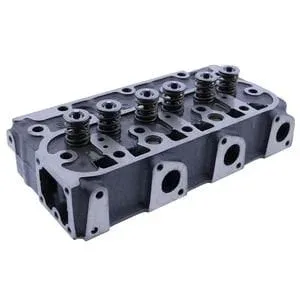
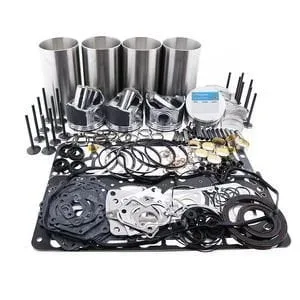
Matched Set Dispatch — Piston rings, gaskets, and seals verified as a complete Kohler engine overhaul kit before leaving our Guangzhou warehouse.
Technical Specifications
| Parameter |
Value |
| Product Type |
Overhaul Kit |
| Cross-Reference (reference only) |
24-108-22-S, 24 108 22, 2410822 |
| Machine Fitment |
CH18, CH20, CH22, CV18, CV20, CV22, CH620, CH630, CH640, CH641, CV620, CV630, CV640 |
| Condition |
New Aftermarket |
| Piston Ring Material |
Precision-ground cast iron with chrome-faced top rings |
| Second Ring Design |
Tapered Napier design |
| Gasket Material |
Nitrile rubber-reinforced composite layers |
| Gasket Temperature Rating |
180°C continuous service temperature |
| Ring Groove Clearance |
±0.005 mm |
| Cylinder Head Gasket Features |
Embossed steel fire rings, conformable graphite coating |
| Kit Contents |
Piston rings, cylinder head gaskets, valve cover gaskets, oil pan gaskets |
| Warranty |
6-month warranty against manufacturing defects |
| Standards |
ISO 9001, ISO 4547-1, ISO 11797 |
Application Suitability
| Engine System |
Related Components |
| Cylinder compression sealing |
Valve stem seals, crankshaft main bearings, connecting rod bearings |
| Cylinder head gasket replacement |
Head bolt set, thermostat housing gasket, exhaust manifold gasket |
| Oil pan resealing |
Oil pan drain plug gasket, oil pickup tube O-ring, oil filter adapter seal |
| Piston ring replacement after bore inspection |
Piston pin bushings, circlips, hone stones for cylinder wall preparation |
Why a Kohler Engine Overhaul Kit Fails Before the Machine Ever Starts
Sourcing gaskets and rings from separate suppliers introduces tolerance mismatches that no amount of careful assembly can correct.
In Indonesian mining camps and Southeast Asian equipment yards, I have watched rebuild shops pull freshly installed Kohler CH and CV engines apart because the piston ring end gaps did not match the cylinder head gasket compression profile. The rings came from one vendor, the gaskets from another, and neither knew what the other was shipping. The result is a Kohler engine overhaul kit in name only—a collection of parts that fail to seal as a system [NEED_CITE: piston ring end-gap and head gasket clamping force interaction in small-displacement engines]. When a shop tears down an engine a second time, the bore is already scored and the cost doubles.
The Cylinder System This Kit Belongs To
This Kohler engine overhaul kit addresses the sealing boundary between combustion chamber, crankcase, and coolant passages across CH18 through CH641 and the corresponding CV series engines. The piston rings manage blow-by and oil control at the cylinder wall, while the cylinder head gasket contains combustion pressure at the fire ring and seals coolant and oil transfer ports between block and head. When any one of these components is out of specification, the others compensate briefly before failing in sequence.
Rebuild History Determines What Grade You Actually Need
Engines that have been rebuilt once before may already be running oversize pistons, which means standard-bore piston rings from this kit will not seat correctly. Before ordering, confirm whether the previous rebuild used standard, 0.25 mm, or 0.50 mm oversize components. The ring groove clearance tolerance of ±0.005 mm is designed for a specific piston-to-bore relationship, and introducing a mismatched grade creates localized hot spots on the piston crown [NEED_CITE: piston ring grade selection after cylinder bore oversize machining]. Serial number variants within the CH640 and CH641 range also differ in deck height, which affects how the embossed steel fire rings on the cylinder head gasket compress under torque.
Understanding the Specifications That Matter During Assembly
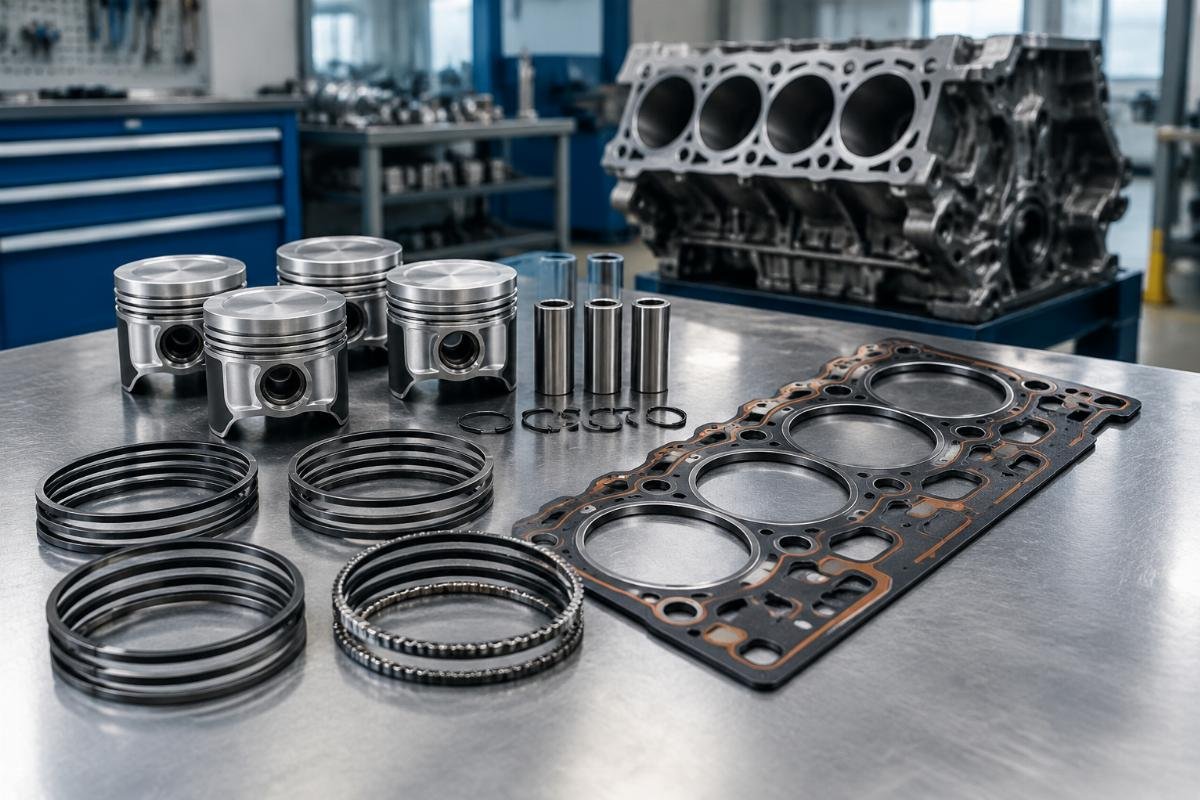
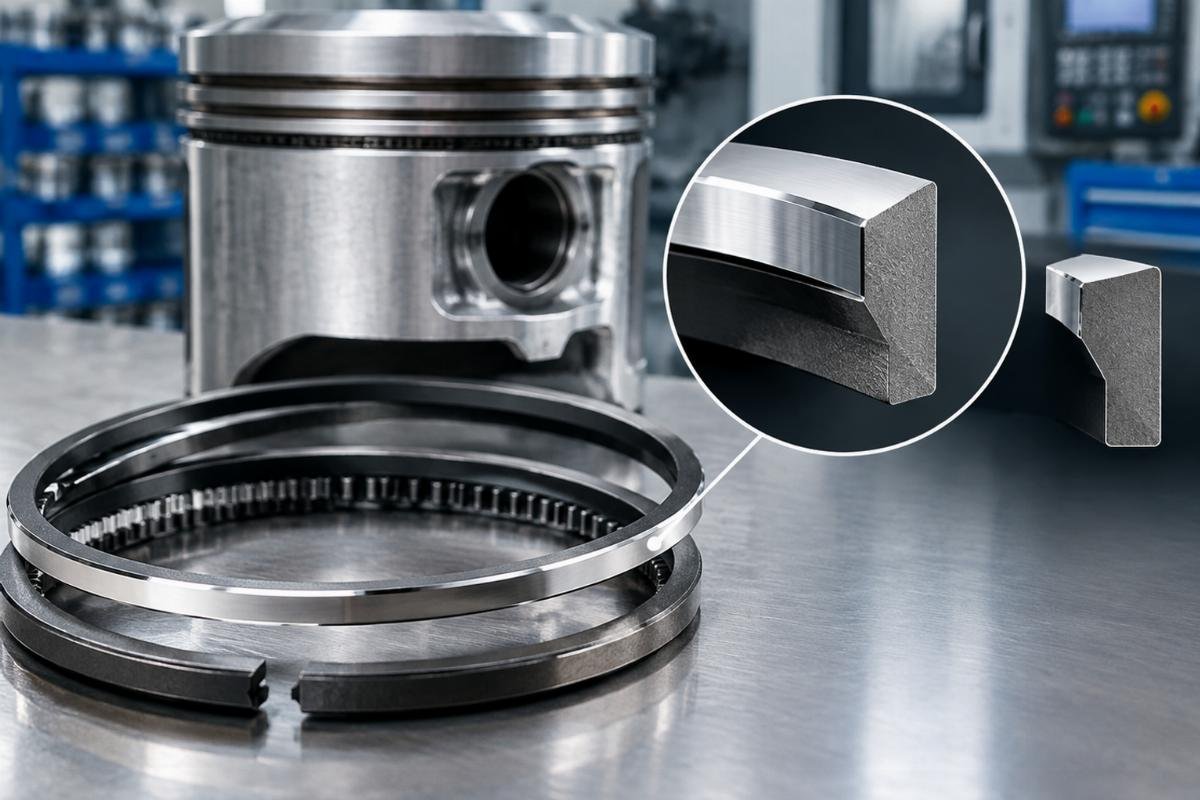
The chrome-faced top rings in this kit resist scuffing during the critical first hours of operation after rebuild, when cylinder wall oil film is still establishing. The tapered Napier second ring design scrapes excess oil from the cylinder wall on the downstroke while maintaining a gas seal on the power stroke—this dual function is what keeps oil consumption within acceptable limits during the break-in period. The nitrile rubber-reinforced composite gasket material sustains sealing integrity at the 180°C continuous service temperature typical of Kohler CH and CV series engines under sustained load in skid-steer loaders and portable generators. Embossed steel fire rings on the cylinder head gasket concentrate clamping force around each combustion chamber, preventing the gasket from extruding into the bore under peak cylinder pressure.
The Hidden Cost of Mixed-Source Overhaul Components
When piston rings and gaskets arrive from different supply chains, the shop absorbs the cost of discovery during assembly. Ring tension that does not match the gasket's compression recovery profile leads to either insufficient clamping or excessive bore distortion. A head gasket that compresses differently than expected changes the effective deck clearance, altering compression ratio and combustion timing. The engine may start and even run for a few hours before blow-by increases, oil consumption spikes, or a coolant passage begins weeping into the crankcase [NEED_CITE: cylinder head gasket compression recovery and piston ring sealing interaction]. The machine goes back down, the customer loses confidence, and the shop eats the labor on a second teardown.
Why Sourcing This Kit Here Reduces Rebuild Risk
Our own production lines and qualified sourced supply share the same QC protocol and the same 6-month warranty, so piston rings and gaskets in this Kohler engine overhaul kit are verified as matched components before they ship. The kit arrives as one consignment under one account, eliminating the gap between separate deliveries that stalls a rebuild mid-assembly. We confirm fitment from engine serial number, teardown photograph, or service manual excerpt—not just from a part number that may have been superseded across model generations. Sample supply is available so a rebuild shop can verify ring groove fit and gasket alignment on a single cylinder before committing to a bulk order for a fleet overhaul program.
Documentation & Verification
- Commercial invoice listing each kit component with individual line-item part descriptions
- Cross-reference sheet mapping 24-108-22-S to engine serial ranges (for identification purposes)
- Dimensional inspection record covering ring end-gap and gasket thickness measurements
- Warranty terms covering manufacturing defects for six months from delivery date
- Packing photographs showing sealed kit boxes with labeled contents before crate closure
- HS code classification and customs documentation for international engine parts shipments
Installation & Rebuild Sequence
- Verify piston bore size and oversize grade before opening the chrome-faced ring sets
- Clean all gasket mating surfaces to bare metal; residual sealant causes head gasket leaks
- Follow Kohler torque sequence and angle specifications for the embossed steel fire ring gasket
- Check ring end-gap at top, middle, and bottom of each cylinder bore before piston installation
- Run initial break-in at varying load for the first operating hours to seat tapered Napier rings
Requesting the Correct Kit for Your Engine
Provide your Kohler engine model, full serial number, and any known rebuild history so we can confirm whether standard or oversize piston rings are required. If the nameplate is worn, send a photograph of the block casting number and we will cross-reference against the CH and CV series build records to identify the correct engine rebuild kit configuration.
Frequently Asked Questions
Q: What components are included in this overhaul kit?
A: This kit contains piston rings with chrome-faced top rings and tapered Napier second rings, cylinder head gaskets with embossed steel fire rings and conformable graphite coating, valve cover gaskets, and oil pan gaskets. All components are sized for matched fitment within the CH18 through CH641 and CV series Kohler engine families.
Q: How do I confirm the correct kit for my specific Kohler engine serial number?
A: Provide the full engine serial number such as CH641-0022 or CV22-0118. We cross-reference against production records to identify variant-specific deck height and gasket compression requirements. A photograph of the engine nameplate or block casting number is sufficient if the plate is illegible.
Q: My engine was rebuilt before—how do I know if I need standard or oversize piston rings?
A: Measure the cylinder bore diameter or check the piston crown for oversize markings from the previous rebuild. If the bore was honed to accept 0.25 mm or 0.50 mm oversize pistons, the ring set must match. We can confirm the correct grade from bore measurements or teardown photographs.
Q: What other engine systems should I inspect when replacing piston rings and gaskets?
A: Inspect valve stem seals, crankshaft main bearings, and connecting rod bearings during the same teardown. Cylinder wall condition determines whether honing is sufficient or reboring is required. Coolant passage integrity should be pressure-tested before reassembly to avoid repeat head gasket failure.
Q: Can you verify compatibility using my engine's service manual and teardown data?
A: Send us the relevant service manual pages showing your engine's build specification along with photographs of the torn-down components. Our technical team will compare ring groove dimensions, gasket port alignment, and fastener patterns against the kit contents to confirm full compatibility before shipment.