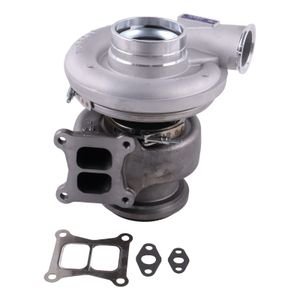
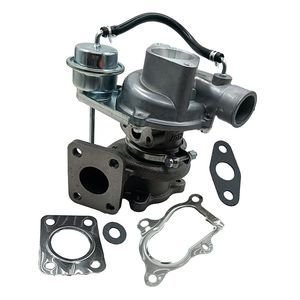
Engine Sequence Variants Confirmed — each HX40W turbocharger is matched to the specific QSL, ISL, or ISC8.3 build code before dispatch, preventing mismatched oil feed or exhaust flange configurations.
Technical Specifications
| Parameter |
Value |
| Part Number |
2839811 |
| Product Type |
Turbocharger |
| Cross-Reference |
2839811, 3772607, 4033241, 4037513, 4037542, 4038989, 4039030, 4041762, 4041765, 4042341, 4044081, 4044082, 4046101, 4046105, 4089915, 4089917, 4955152, 4955195, 87351239 (reference only) |
| Machine Fitment |
2004-11 models with QSL Engine, 445 FXL Fellerbuncher (2004-11) with QSL Engine |
| Turbo Model |
HX40W, HX40W-B85J71GL/C76L84FH18UD-W |
| Compatible Engine |
Cummins QSL, ISL, ISC8.3 |
| Condition |
New Aftermarket |
| Warranty |
3-12 months against manufacturing defects |
| Standards |
ISO 9001 |
Application Suitability
| Engine System |
Related Components |
| Intake and Emission |
Intake and exhaust manifold gaskets, oil feed and drain lines |
| Lubrication System |
Oil filters, oil supply fittings, crankcase breather elements |
| Air Filtration |
Primary and secondary air filters, intake hose clamps |
| Engine Overhaul |
Complete overhaul gasket sets, piston ring sets if bore is scored |
Why the Same HX40W Turbocharger Fails Within Months of Installation
Replacing the turbo without resolving the root cause in the oil or exhaust system guarantees a repeat failure.
A common pattern I have traced across multiple engine rebuilds involves a fresh HX40W turbocharger engine rebuild failing prematurely because the underlying oil starvation or exhaust restriction was never corrected. The turbo is often the victim, not the cause, of the system fault. Contaminated oil, restricted drain lines, or a blocked diesel particulate filter creates backpressure that destroys the new unit's bearings and seals within a short operating window [NEED_CITE: common root causes of turbocharger failure in diesel engines]. Addressing the fault that destroyed the original component is a mandatory step before the replacement unit is bolted on.

System-Level Matching for Intake and Emission Repair
This HX40W turbocharger operates within the broader intake and emission system of Cummins QSL, ISL, and ISC8.3 engines. Sourcing the turbocharger in isolation leaves critical adjacent components unchecked. The intake and exhaust gaskets compress and degrade over time, and reusing them with a new turbo invites boost leaks that alter the air-fuel ratio. Oil feed lines can develop internal restrictions from carbon buildup, starving the new turbo of lubrication at high RPM. A complete system approach pairs the turbocharger with the matched gasket set, fresh oil supply fittings, and appropriate air filtration components to ensure the entire intake path is sealed and clean.
Engine Serial Variants and Rebuild History
Cummins QSL and ISL engines were produced across multiple generations, and the HX40W variant required can differ even when the base part number appears identical. Engine serial number verification is essential to confirm the correct compressor housing orientation, oil feed port position, and wastegate actuator bracket configuration. Furthermore, engines that have undergone a previous rebuild may have oversized bearings or altered clearances that affect oil pressure at the turbo feed line. Confirming the engine build code and any prior overhaul history ensures the replacement turbocharger matches the actual physical configuration sitting on the bench, not just the original factory specification.
Understanding the HX40W Compressor and Turbine Wheel Geometry
The HX40W design utilizes a wastegated turbine housing configured to manage the exhaust gas energy across the operating range of the QSL and ISL engine family. The compressor wheel trim and turbine wheel geometry are calibrated to deliver the target boost pressure at the specific airflow volume these engines require under load. A mismatch in wheel trim between variants results in either sluggish response at low engine speed or excessive boost at high RPM, both of which compromise combustion efficiency and increase thermal stress on the turbine housing [NEED_CITE: turbocharger compressor and turbine wheel trim effects on diesel engine performance]. The bearing system within the center housing is engineered to withstand the rotational speeds and thrust loads generated by this specific gas flow profile, making the correct variant selection critical for durability.
The Cost of Ignoring Root-Cause Diagnosis
Installing a replacement turbocharger without investigating the oil supply or exhaust system creates a predictable cycle of repeat failures. Carbon deposits in the oil drain line restrict flow, causing oil to back up into the center housing and blow past the compressor seal into the intake tract. A collapsed or restricted air filter housing forces the compressor to work against a vacuum, increasing shaft speed beyond design limits and leading to wheel burst or bearing wipe. Each repeat failure means another teardown, another set of gaskets, and another machine down period that compounds the original repair cost [NEED_CITE: cumulative cost of repeat turbocharger failures in heavy equipment].
Sourcing from a Supplier Who Understands the System
Our technical team verifies the correct HX40W variant against your specific engine serial number before the unit ships, rather than relying on a generic cross-reference table that may not account for production changes. We supply matched intake and exhaust gaskets, oil feed fittings, and air filtration components alongside the turbocharger so the entire system is addressed in one consignment. Both our self-produced and sourced supply lines carry the same QC and warranty terms, giving consistent quality across all system components. Guangzhou warehouse stock on common turbocharger variants and associated gasket sets allows fast dispatch for urgent engine rebuilds. Sample units are available for fitment confirmation before you commit to bulk quantities for a fleet overhaul program.
Documentation & Verification
- Commercial invoice and packing list matching the specific HX40W variant and engine application.
- Cross-reference sheet listing alternate and superseded part numbers for identification purposes only.
- Quality inspection record covering shaft runout, wheel balance, and wastegate actuator calibration.
- Warranty terms covering manufacturing defects for the stated warranty period.
- Packing photographs showing the turbocharger and associated gaskets before dispatch.
- HS code and customs documentation support for international engine parts shipments.
Installation & Rebuild Sequence
- Flush oil feed and drain lines before installing the HX40W turbocharger to remove carbon deposits.
- Prime the turbo center housing with clean engine oil before the first crank to prevent dry start bearing damage.
- Torque intake and exhaust flange nuts to specification using new gaskets to ensure a sealed boost path.
- Verify oil drain line has no kinks or restrictions and routes downward to the crankcase by gravity.
- Run the engine at idle for several minutes after installation to allow oil circulation and check for leaks.
Request a System-Matched Quotation
Provide your Cummins QSL, ISL, or ISC8.3 engine model and serial number along with any previous overhaul details. Include the existing turbocharger part number or a photograph of the data plate and oil port orientation so we can verify the exact HX40W variant your engine requires. Let us know which adjacent components — gaskets, oil lines, filters — you need included so we can prepare a consolidated quotation for the complete intake and emission system repair.
Frequently Asked Questions
Q: What gaskets and oil lines should be replaced alongside this HX40W turbocharger?
A: The intake and exhaust manifold gaskets that seal the turbo flanges should always be replaced, as reused gaskets are prone to boost leaks. The oil feed line and drain hose should be inspected internally for carbon restriction and replaced if any blockage is found, as oil starvation is a leading cause of premature turbo failure.
Q: How do I confirm which HX40W variant fits my specific Cummins engine serial?
A: Provide the full engine serial number from the data plate and the existing turbocharger part number. We cross-reference these against production records to confirm the correct compressor housing orientation, oil port position, and wastegate bracket configuration for your exact engine build variant.
Q: What typically causes the original turbo to fail, and how do I prevent it happening again?
A: The most frequent root causes are oil starvation from restricted feed lines, contaminated oil from overdue filter changes, and exhaust backpressure from blocked aftertreatment components. Inspecting and correcting these system faults before installing the replacement turbocharger prevents a repeat failure cycle.
Q: Can I source a complete intake and emission system kit in a single order?
A: Yes, we supply the turbocharger alongside matched gasket sets, oil supply fittings, air filters, and intake clamps in one consignment. This ensures every sealing surface and fluid path in the intake system is addressed during the rebuild, avoiding second orders and split shipments.
Q: How do I verify that superseded part numbers are still compatible with my engine?
A: Our cross-reference verification covers superseded and alternate numbers across Cummins QSL and ISL engine generations. We confirm that the replacement unit matches the physical interface and performance specification of the original, even when the part number has been updated multiple times.