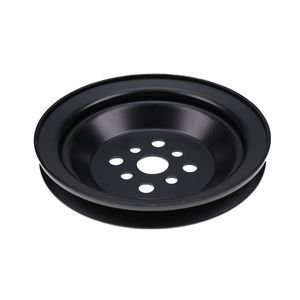
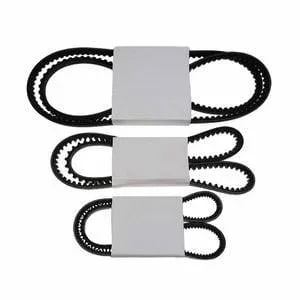
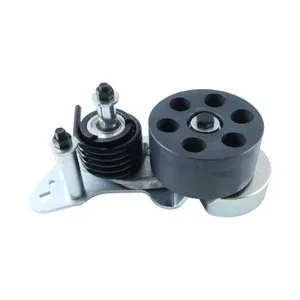
Matched Cooling Set — belt, tensioner and hardware verified against engine serial variant before dispatch.
Technical Specifications
| Parameter |
Value |
| Part Number |
7302291 |
| Product Type |
Belt Tensioner |
| Cross-Reference |
7302291 (reference only) |
| Machine Fitment |
Bobcat 653, 751, 753, 763, 773, 7753, 853, 863, 864, 873, 883, 963, S130, S150, S160, S175, S185, S205, S220, S250, S300, T140, T180, T190, T200, T250, T300, A220, A300 |
| Condition |
New Aftermarket |
| System |
Engine Cooling Fan Drive |
| Quality Standard |
ISO 9001 |
| Warranty |
3-12 months against manufacturing defects |
Application Suitability
| Engine System |
Related Components |
| Cooling Fan Drive |
V-belt or serpentine belt, idler pulleys, fan hub, mounting fasteners |
| Auxiliary Drive |
Alternator pulley, water pump drive, crankshaft pulley |
| Engine Overhaul |
Timing cover gaskets, front crank seal, coolant hoses |
When the Engine Overheats But the Gauge Looks Fine
A slipping fan belt often fails silently until the cylinder head is already heat-stressed.
In the shop, we see machines come in with blown head gaskets or warped decks, and the owner swears the temperature gauge never spiked. The real culprit is usually a worn tensioner that let the cooling fan belt slip just enough to starve the radiator at high load, while still turning the alternator well enough to keep the dash lights happy. By the time coolant boils over, the damage path has already run through the thermostat housing, radiator seams, and cylinder head [NEED_CITE: engine thermal stress propagation in skid steer diesel applications]. Replacing the tensioner alone treats the symptom; rebuilding the belt drive as a matched system addresses the root cause of cooling fan belt tensioner engine rebuild parts failure.

The Belt Drive System as a Single Wear Loop
The cooling fan belt tensioner engine rebuild parts kit does not operate in isolation. It sits inside a closed loop of rotating and sliding components — the crankshaft pulley, idler bearings, fan hub, and the belt itself all share the same load cycle. When one element wears past tolerance, the others accelerate their own degradation. Installing a fresh tensioner against a glazed belt or a wobbling idler pulley simply transfers the failure point downstream. A system-level rebuild using matched Cooling Fan Belt Tensioner engine rebuild parts restores uniform load distribution across the entire drive path.
Engine Serial Variants and What They Mean for Fitment
Bobcat skid steer and track loader engines across the S-series, T-series, and legacy 700-series platforms share the base tensioner reference, but the bracket geometry, pulley offset, and spring rate can differ between engine serial ranges. A tensioner pulled from an S185 may physically bolt onto a 753, yet sit far enough off-plane to chew through the belt edge within fifty hours. We cross-check the engine serial number and production date code against our fitment matrix before confirming the variant [NEED_CITE: engine serial variant cross-reference methodology for compact loader powertrains]. This step eliminates the most common cause of early belt failure after a tensioner swap.
Reading the Specs That Actually Matter
The steel body of this tensioner resists deflection under the lateral load imposed by a tight fan belt at peak RPM — a stamped bracket would flex and allow the pulley to walk off its tracking plane. Precision-machined pulley bearings are specified for low runout, which directly controls how evenly the belt rides in the groove; excessive runout generates heat at the belt flank and accelerates cord fatigue. The corrosion-resistant coating is not cosmetic — skid steer engine bays accumulate salt, fertilizer dust, and hydraulic mist that attack bare steel and seize the pivot bushing. A seized pivot converts the tensioner into a fixed idler, removing all automatic compensation and guaranteeing belt slip under thermal expansion.
The Cost of Skipping the Root Cause
We once had a 753 come back twice in one season with shredded fan belts. The first time, the shop changed only the belt. The second time, they changed the belt and the tensioner. On the third visit, we measured the idler pulley runout and found it well beyond tolerance — the original failure had been the idler bearing all along, and every replacement belt had been running over a wobbling sheave. The cost of three emergency repairs and two days of lost machine time far exceeded what a complete system teardown would have cost on day one [NEED_CITE: diagnostic cost avoidance in repeated belt drive failures]. When sourcing Cooling Fan Belt Tensioner engine rebuild parts, always inspect the full drive path before closing the order.
Why Rebuild Shops Source This Kit Here
Our own production lines and qualified sourcing partners operate under one account and one warranty, so the tensioner, belt, and hardware in your kit carry the same quality terms regardless of origin. Eight product categories mean a complete cooling system overhaul — tensioner, thermostat, hoses, coolant fittings — ships as one consignment from our Guangzhou warehouse. Minimum order is one piece, so a single emergency rebuild is never blocked by volume requirements. We identify the correct variant from a part number, a machine model, a photograph of the nameplate, or an image of the old unit. Cross-reference verification covers superseded numbers and alternate references. Sample kits are available for fitment confirmation before any bulk commitment.
Documentation & Verification
- Commercial invoice and packing list itemizing each tensioner kit component
- Part compatibility sheet noting engine serial range and cross-reference (reference only)
- Quality inspection record covering pulley bearing runout and spring tension
- Warranty terms for manufacturing defect claims on belt drive components
- Packing photographs showing kit contents before crate closure
- HS code and customs documentation support for engine rebuild parts export
Installation & Rebuild Sequence
- Inspect crankshaft pulley and all idler bearings for runout before mounting the new tensioner
- Verify belt routing against the engine diagram — incorrect wrap angle defeats the tensioner spring
- Torque mounting fasteners to specification and confirm pulley tracking with a straightedge
- Run the engine at idle for the initial break-in period, then re-check belt deflection
What We Need to Quote Your Rebuild
Send us the engine model, serial number, and any prior rebuild history — specifically whether the crankshaft or front cover has been machined. If the nameplate is unreadable, a photograph of the old tensioner and its bracket is enough for our technical team to confirm the correct variant and assemble a matched cooling fan belt tensioner engine rebuild parts kit for your machine.
Frequently Asked Questions
Q: What other belt drive components should I replace at the same time as the tensioner?
A: The fan belt, idler pulleys, and any worn mounting hardware should be replaced as a set. Reusing a stretched belt or a pulley with bearing play against a new tensioner transfers stress unevenly and shortens the life of every component. We supply matched kits so the entire drive loop is refreshed in one repair cycle.
Q: Does the kit include the fan belt and mounting fasteners?
A: Yes, the kit includes the tensioner assembly, matched belt, and adjacent hardware required for a complete installation. We confirm the exact contents list against your engine serial number before shipping, so there are no missing items when the machine is already apart on the bench.
Q: How do I confirm which tensioner variant fits my engine serial number?
A: Provide your engine model and serial number, or send a photograph of the old unit and its mounting bracket. Our technical team cross-references the serial range against production variants to identify the correct pulley offset and spring rate, preventing the fitment errors that cause early belt wear.
Q: What system-level checks should I perform before installing the new tensioner?
A: Verify coolant condition, radiator flow, and thermostat operation before reassembly. A tensioner replacement addresses the belt drive, but if the cooling system has underlying blockages or a stuck thermostat, the engine will still run hot and the new belt will degrade prematurely from excess bay temperature.
Q: Can I order a sample kit to verify fitment before a bulk purchase?
A: Yes, sample kits are available for workshop fitment confirmation. Install the sample on the target machine, verify belt tracking and tensioner travel, and confirm compatibility before committing to a larger order for your repair center or fleet maintenance program.