Belt Drive Systems
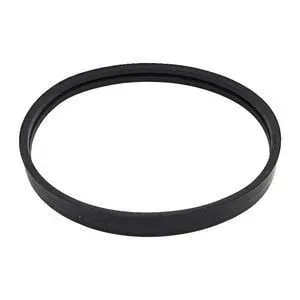
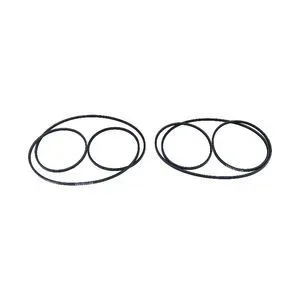
113.21371 V-Belt Replacement for Sears Craftsman 15 1/2" Drill Press – System-Matched 2-Pack
<p>Overhaul kit contents verified item-by-item before dispatch.</p>
View Details
<p><strong>Drive Pump Belt 6726898, 57.4" × 1.19" 3-Groove Cogged Design</strong> — replacement for Bobcat skid steer and track loaders including 753, 763, S130–S205, T140–T190.</p> <ul> <li>Belongs to the engine front-end drive system; transfer engine power to the hydraulic pump with matched tensioner and pulley groove alignment</li> <li>Variable cog profile and fiber-loaded backing resist heat and fatigue during sustained heavy-load operation</li> <li>Inspect pulley wear, tensioner condition, and pump input shaft seal when replacing to prevent recurring belt failure</li> </ul> <p>Overhaul kit contents cross-checked against your engine serial variant before dispatch</p>
MOQ
1 Piece
Lead Time
2-5 Business Days
Shipping
120+ Countries
Warranty
3-12 Months
Compatible Brands
Rebuild-Grade Match — Belt dimensions verified against Bobcat loader engine serial variants before dispatch.
| Parameter | Value |
|---|---|
| Part Number | 6726898 |
| Product Type | Belt |
| Cross-Reference | 6726898 (reference only) |
| Machine Fitment | Skid Steer Loader 753, 763, 773, S130, S150, S160, S175, S185, S205; Track Loader T140, T180, T190 |
| Dimensions | 57.4 inches length, 1.19 inches width |
| Design | Flat, cogged drive belt with 3 grooves |
| Features | Advanced variable cog design, fiber-loaded backing with additional cord support, great wear resistance |
| Condition | New Aftermarket |
| Warranty | 3-12 months against manufacturing defects |
| Engine System | Related Components |
|---|---|
| Engine-to-hydraulic pump front drive | Tensioner assembly, idler pulley, drive pulley |
| Engine auxiliary power transfer | Belt alignment brackets, pump input shaft seal |
| Cooling and accessory drive | Fan pulley, alternator mount, harmonic balancer |
| High-load continuous duty cycle | Hydraulic pump coupling, crankshaft front seal |
The belt is rarely the root cause — the tensioner and pulley alignment are.
A recurring pattern across Bobcat skid steer and track loader repairs: the failed belt gets replaced, the machine runs for a short period, then the same failure returns. In most cases I have investigated on the shop floor, the underlying issue was a worn tensioner arm or a pulley running out of true. The new drive pump belt absorbs the misalignment stress until it snaps or shreds at the cord layer. Engine rebuild shops that skip the front drive system inspection end up pulling the engine a second time [NEED_CITE: engine front drive system misalignment failure patterns in skid steer loaders].
This drive pump belt sits at the front of the engine, transferring crankshaft power to the hydraulic pump. In a Bobcat S130 through S205 or a T140 through T190, the belt is part of a compact drive loop that also includes the tensioner, idler pulley, and pump coupling. During an engine rebuild or a scheduled front-drive overhaul, treating the belt as an isolated wear item misses the system context. Every drive pump belt engine rebuild job should include a full inspection of pulley groove wear, tensioner spring force, and shaft alignment before the new belt is installed.
Across the Bobcat loader range, the same machine model can carry different engine builds depending on production year and emissions tier. A 753 built early in its production run may use a different front drive configuration than a late-model 753. The 3-groove cog profile on this belt must match the pulley groove spacing exactly — a mismatch of even one groove position causes uneven load distribution and premature cord failure. Confirming the engine serial number before ordering the drive pump belt avoids receiving a part that fits the machine model but not the specific engine variant installed. Rebuild shops pulling engines from salvage machines encounter this variant issue frequently [NEED_CITE: Bobcat loader engine serial variant differences in front drive components].
The 57.4-inch length and 1.19-inch width define the belt's routing path and groove engagement. The variable cog design allows the belt to flex around smaller pulley diameters without generating excessive heat at the cog root — a common failure point in standard straight-cog belts running in the high-temperature environment of a loader engine bay. The fiber-loaded backing adds lateral stiffness, which helps the belt track true on the pulleys even when the tensioner is near the end of its service range. Additional cord support within the belt body resists the shock loads transmitted when the hydraulic pump cycles under heavy digging or grading loads. These construction details determine whether the belt survives a full service interval or fails prematurely under sustained high-load engine-to-pump power transmission.
Replacing only the belt without verifying the tensioner condition and pulley alignment leads to repeat failures that are easy to misdiagnose. The new belt shows edge wear or cog separation within a short operating window, and the technician assumes a defective batch. In reality, the tensioner arm is no longer maintaining adequate pressure, or a pulley bearing has developed play that pushes the belt off its intended tracking line. Each repeat failure means another engine teardown, another set of gaskets, and another round of labor hours. The cumulative cost of skipping the front drive system audit during a drive pump belt engine rebuild far exceeds the price of replacing the tensioner and idler together [NEED_CITE: cumulative cost of repeat engine front drive failures in compact loaders].
Selected belt lines are produced in our own facility, with the remainder sourced from ISO-certified manufacturing partners — both carry the same quality control and warranty terms. Eight product categories mean the tensioner, idler pulley, gaskets, and seals for the same job ship under one account and one consignment. Orders start from a single piece, so an emergency belt replacement does not require meeting a minimum quantity. Part identification works from a part number, a machine model, a photograph of the old belt, or a nameplate image when the label is worn. Cross-reference verification covers superseded numbers and alternate references across machine generations. Sample supply is available so a rebuild shop can confirm fitment before committing to bulk quantities.
Provide your engine model, serial number, and any rebuild history so the correct belt variant is confirmed before shipment. If the engine has been swapped or rebuilt previously, share the current front drive configuration details. This ensures the drive pump belt matches your actual setup rather than just the machine model plate.
Q: What other front drive components should be inspected when replacing this belt? A: Check the tensioner arm for pivot wear and spring fatigue, inspect all pulley grooves for uneven wear or bearing play, and examine the hydraulic pump input shaft seal for leaks. A worn tensioner or misaligned pulley will cause the new belt to fail prematurely. Replacing the belt without auditing these adjacent components is the most common reason for repeat failures during a drive pump belt engine rebuild.
Q: Does the same belt fit all engine variants within a single Bobcat machine model? A: Not always. Bobcat loaders like the 753 or S150 may carry different engine builds across production years, and the front drive pulley configuration can vary. The 3-groove profile must match the pulley spacing exactly. Confirming the engine serial number and production date range ensures the correct belt is selected rather than relying solely on the machine model designation.
Q: Can a 3-groove belt run on a pulley designed for 2 grooves? A: Running a 3-groove belt on a 2-groove pulley leaves one groove unsupported, which creates uneven load distribution across the cord layer. This causes accelerated wear on the unsupported side and typically results in cog separation or edge shredding within a short service window. The belt and pulley groove count must match for reliable power transfer.
Q: What causes a drive pump belt to keep breaking despite correct part number selection? A: Recurrent breakage usually points to a system issue rather than a belt defect. Common root causes include a seized or dragging tensioner, pulley bearing play that allows lateral belt movement, or misalignment between the crankshaft and pump pulleys. Addressing the fault that caused the failure, rather than replacing only the failed belt, prevents the cycle of repeat teardowns.
<p>Overhaul kit contents verified item-by-item before dispatch.</p>
View Details<p><strong>Drive Belt 40022-91 — Aramid-Reinforced Replacement for Sportster 883/1200 & Buell Models</strong> — fits Harley-Davidson Sportster XLH/XLC/XLS/XLR (1991–2003) and Buell Lightning/Cyclone/Thunderbolt series.</p> <ul> <li>Part of the primary belt drive system; replace alongside pulleys, tensioners, and seals as a matched set to prevent misalignment and address root-cause wear</li> <li>±0.3 mm dimensional tolerance ensures drop-in fit without pulley re-adjustment, and tooth profile matches OEM pitch for precise meshing</li> </ul> <p>Matched belt drive components ship together with system-level overhaul sequencing confirmed (cross-reference: 4002291, 1204-0042, 58-420 — all reference only).</p>
View Details<p><strong>7269057 Belt Tensioner Pulley for Bobcat A770, S630–S850, T630–T870</strong> — forged 40Cr steel housing with sealed 6203-2RS angular contact bearing, SPZ belt groove profile.</p> <ul> <li>Fits Bobcat skid steer and track loader engines as accessory drive tensioner (cross-reference 7141788)</li> <li>Correct tensioning protects fan drive, alternator, and cooling circuit from cascading failure</li> <li>Replace as matched set with belts and idler pulleys during engine overhaul to address root cause</li> </ul> <p>Overhaul kit contents verified item-by-item against your engine serial variant before dispatch</p>
View Details<p><strong>Drive Belt 106-4383 53-9660</strong>, engine-grade belt for Toro Groundsmaster commercial mowers — reinforced cord construction with precision-molded rubber compounding</p> <ul> <li>Compatible with Toro Groundsmaster 322-D, 325-D, 327, 328-D, 345 and Lawn-Boy Mower applications</li> <li>Belt drive system replacement should include inspection of tensioners, idler pulleys, and drive pulleys to address the root cause of premature failure, not just the worn belt alone</li> <li>Verify belt routing and pulley alignment across the full drive path during reinstallation to prevent repeat failure</li> <li>Cross-reference interchange numbers include 1064383, 539660, 265-896, and 23-1820</li> </ul> <p>Matched drive system components ship together with overhaul-grade verification and tolerance confirmation for each rebuild.</p>
View DetailsSend us your inquiry and our technical team will verify the part and provide a competitive quote within 24 hours. MOQ starts from 1 piece.
Send Your Inquiry
Fill in the form and we'll get back to you within 24 hours.