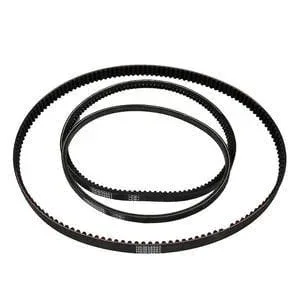
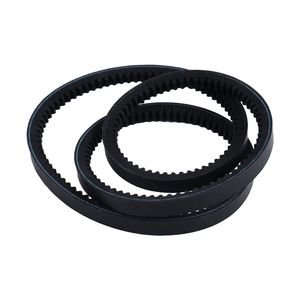
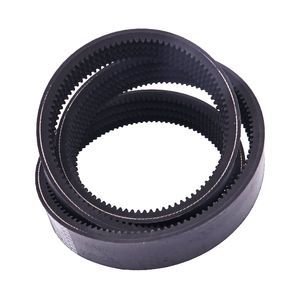
Matched Kit Shipped — Every belt position verified against Toro TimeMaster 30" engine-to-deck routing before dispatch.
Technical Specifications
| Parameter |
Value |
| Part Number |
121-5765 |
| Cross-Reference |
1215765, 1561, 1573, 2058, 112084, 271-4, 3-2451, 3-4058, 39-3770, 7-0694, 7-0946, 7-1194, WH1X2026, 120-3335, 265-610, 120-3335-SL, 120-9470 (reference only) |
| Machine Fitment |
Toro 20199, 20200, 20975, 20976, 20977, 20978 |
| Product Type |
Belt |
| Part Name |
Deck Drive Belt Kit |
| Condition |
New Aftermarket |
| Standard |
ISO 9001 |
| Warranty |
3-12 months against manufacturing defects |
Application Suitability
| Engine System |
Related Components |
| Engine-to-deck power transmission |
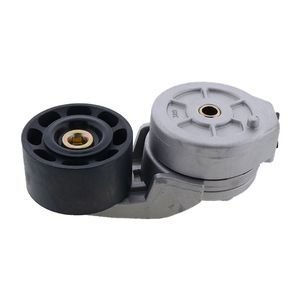
Deck spindle pulleys, idler brackets, tensioner springs |
| Primary drive subsystem |
Drive clutch assemblies, PTO engagement linkages |
| Auxiliary mower deck drives |
Mandrel bearings, belt guards, deck hanger brackets |
Why the Same Deck Drive Belt Replacement Engine Parts Fail Weeks After Installation
A new belt paired with a worn tensioner or glazed pulley is already compromised before the first cut.
Replacing a shredded belt without diagnosing the surrounding drive path is a repeat failure waiting to happen. In my years pulling covers off Toro TimeMaster decks, the root cause of premature belt failure is almost never the belt itself. Misaligned mandrel pulleys, seized idler bearings, and weak tensioner springs place uneven lateral loads on the new belt, causing edge wear, glazing, and eventual snapping. Systematic inspection of the entire belt drive subsystem prevents the return visit [NEED_CITE: belt drive failure root cause analysis for commercial mowing equipment].

Positioning the Belt Inside the Complete Engine Drive Subsystem
This Deck Drive Belt replacement engine parts kit belongs to the critical power transfer path between the engine crankshaft output and the cutting deck mandrels. It is not an isolated wear item. The belt operates in direct mechanical series with the engine PTO clutch, intermediate idlers, and the spindle pulleys driving the blades. When sourcing this kit, the adjacent condition of the tensioner arm pivot and the idler bearing seals must be confirmed, as any restriction in those components transfers destructive harmonic loads back into the belt cord structure.
System-Level Replacement and Adjacent Component Verification
Treating the deck drive as a complete system rather than a collection of individual wear parts changes the overhaul outcome. A Deck Drive Belt replacement engine parts kit addresses the primary flexible coupling in the drive train, but the rigid components it wraps around dictate its service life. Worn pulley grooves alter the belt's seating depth, changing the effective pitch diameter and creating slip-induced heat. Confirming the runout and groove profile of each mandrel pulley before installing the new belt kit prevents the localized heat buildup that degrades the belt's tensile cords from the inside out [NEED_CITE: sheave groove wear measurement standards for V-belt drive systems].
Translating Material and Routing Specs into Mower Uptime
The specification of this kit as a matched set ensures that the belt length, top width, and sidewall angle are consistent across all deck drive positions. In a multi-belt deck configuration, mixing belts of slightly different effective lengths causes the shorter belt to carry the entire load while the longer belts slip, generating destructive friction heat. The ISO 9001 manufacturing standard applied here governs the dimensional tolerances of the belt cross-section, ensuring the sidewalls wedge properly into the pulley grooves under load rather than bottoming out, which would lead to rapid sidewall abrasion and loss of grip.
The Hidden Cost of Ignoring the Drive Subsystem
Installing a new belt into a deck with a binding idler or a wobbling spindle pulley guarantees early failure. The resulting heat and uneven loading degrade the belt's internal tensile members, leading to a sudden snap under mowing load rather than gradual wear. This unplanned downtime occurs exactly when the machine is needed most, forcing an emergency teardown and a second parts order for the belt that was just destroyed by the neglected adjacent component [NEED_CITE: impact of pulley misalignment on V-belt service life].
Sourcing Engine Drive Components with System Integrity
We approach this kit from the perspective of the engine rebuild and mower overhaul shop. Our supply covers the complete engine system, meaning the deck drive belts are sourced alongside the engine gasket sets, crankshaft seals, and PTO clutch components needed for a comprehensive teardown. Part identification is confirmed against the specific Toro TimeMaster model variant, cross-referencing superseded numbers like 120-3335 and 120-9470 to ensure the routing length matches the deck configuration. Our technical team verifies these cross-references against the engine serial variant to prevent the supply of a belt that is dimensionally correct for a different deck generation. Minimum order is one kit, and sample supply is available to confirm fitment on the machine before a fleet-level commitment is made.
Documentation & Verification
- Commercial invoice listing matched kit components and applicable HS codes for belt drive goods.
- Compatibility sheet cross-referencing Toro OEM numbers 121-5765, 120-3335, and 120-9470 (reference only).
- Quality inspection record verifying belt cross-section dimensions and tensile cord integrity.
- Warranty terms covering manufacturing defects for 3 to 12 months from dispatch.
- Packing photographs showing kit contents sealed and protected from ozone and UV exposure.
Installation & Rebuild Sequence
- Verify mandrel pulley runout and groove depth before routing the new Deck Drive Belt replacement engine parts.
- Clean all pulley grooves of embedded rubber debris and rust to ensure full belt sidewall contact.
- Check tensioner spring rate and arm pivot freedom; replace if binding or below specified tension.
- Route belts according to the deck diagram, ensuring no twists and proper engagement with all idlers.
- Run the deck at idle for a bedding-in period, then re-check tension after the initial heat cycle.
Procurement Confirmation for Engine System Overhauls
To ensure this Deck Drive Belt kit matches your specific Toro TimeMaster engine variant and deck configuration, provide the mower model number (e.g., 20199, 20200) and any readable numbers from the old belt. If the nameplate is missing, photographs of the deck pulley layout and the engine PTO clutch assembly allow our team to verify the correct belt length and routing path for your system.
Frequently Asked Questions
Q: What other drive components should I inspect when replacing deck belts?
A: Inspect all mandrel pulleys for groove wear and wobble, check idler bearings for free rotation and seal integrity, and verify the tensioner arm moves smoothly with adequate spring pressure. Replacing the belt without addressing a seized idler or worn pulley groove will transfer destructive lateral loads to the new belt, causing rapid edge failure.
Q: Are all belts in the kit matched for this specific Toro TimeMaster model?
A: Yes, this kit is configured for the specific deck configuration of the listed Toro 30" TimeMaster models. Supplying a matched set ensures consistent effective length and cross-section across all drive positions, preventing the uneven load sharing that occurs when belts of different manufacturing batches or wear states are mixed on a multi-spindle deck.
Q: My old belt has a different number — how do I verify cross-reference accuracy?
A: Provide the old belt number, such as 120-3335 or 120-9470, along with your mower model number. Our technical team verifies the cross-reference (reference only) against superseded part numbers and the specific engine serial variant to confirm the belt length and routing match your deck's pulley layout before dispatch.
Q: Do I need to replace the tensioner and pulleys at the same time?
A: While not mandatory, it is strongly recommended to assess their condition. Worn pulley grooves alter the belt seating depth, and a weak tensioner cannot maintain the required grip under load. System-level replacement of the belt alongside worn tensioners and pulleys addresses the root cause of drive failure rather than just the symptom.
Q: How do I confirm my mower's engine variant to ensure correct belt fitment?
A: Locate the engine model and serial number on the engine shroud or block, and provide the mower model number from the frame nameplate. Different engine variants and production years of the TimeMaster may use different PTO clutch configurations or deck hanger geometries that dictate a specific belt routing and length.