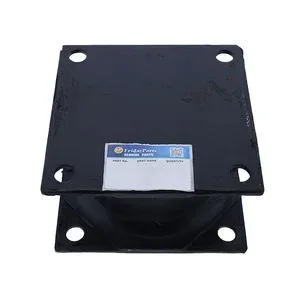
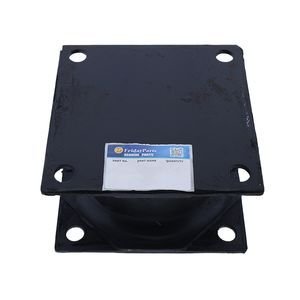
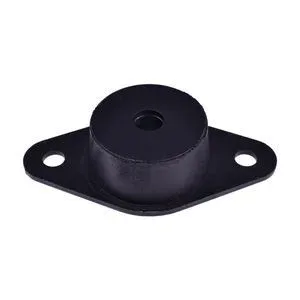
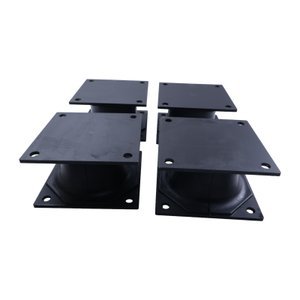
Engine Series Variants Verified — cushion damper 358172 cross-checked against Dynapac CA/SCA engine subframe configurations before dispatch.
Technical Specifications
| Parameter |
Value |
| Part Number |
358172 |
| Product Type |
Cushion Damper |
| Cross-Reference |
4700358172 (reference only) |
| Part Name |
Shock Absorber Rubber Vibration Mount |
| Machine Fitment |
CA51, CA510, CA512, CA600, CA602, CA610, CA612, CA702, SCA512, SCA610 |
| Brand Compatibility |
DYNAPAC |
| Condition |
New Aftermarket |
| Material |
Precision-molded rubber compound with corrosion-resistant metal core |
| Warranty |
3-12 months against manufacturing defects |
| Factory Certification |
ISO 9001 |
| MOQ |
1 piece |
Application Suitability
| Engine System |
Related Components |
| Engine auxiliary mounting |
Engine subframe bolts, mounting brackets, adjacent vibration isolators |
| Engine overhaul preparation |
Engine gasket kits, fastener sets, crankshaft seals, engine mount crossmembers |
| Scheduled engine service |
Full mount set replacement, torque-to-yield fasteners, exhaust hangers near mount |
| Rebuild shop inventory |
Cushion dampers stocked alongside overhaul kits for Dynapac CA/SCA series |
Why One Failed Cushion Damper Means the Entire Engine Auxiliary Set Is Due
Replace the full matched set or watch the new mount fail prematurely under asymmetric loading.
When I first handled engine auxiliary complaints from mining sites in West Africa, the pattern was consistent: a single torn cushion damper was replaced, and within months the new part showed cracking while adjacent mounts remained degraded. The engine subframe sits on these mounts as a balanced system, and uneven rubber hardness across the set transfers asymmetric loads directly into the engine block [NEED_CITE: engine mount load distribution in vibratory compaction equipment]. Replacing one Shock Absorber Rubber Vibration Mount engine replacement without inspecting the others leaves the engine misaligned, accelerating failure of the fresh component and creating repeat teardown cycles that consume labor hours and delay machine return to service.

Engine Auxiliary System Context for Compaction Rollers
This Cushion Damper belongs to the engine auxiliary system where vibration mounts work as a matched set supporting the engine subframe on Dynapac CA and SCA series rollers. The rubber compound isolates high-frequency vibration generated during compaction operations from reaching the chassis and operator cabin. When engine rebuild shops receive these machines, inspecting the full mount set for hardness variation and dimensional sag reveals whether the system still functions as designed or requires complete renewal.
Engine Serial Variants and Mount Specification Differences
Within the same machine model such as the CA512 or CA610, engine serial variants can specify different rubber hardness grades and metal core configurations for the cushion damper. I encountered this directly when a customer ordered shock absorbers for a Dynapac CA512, only to discover the mounting position offset did not align because the engine build variant required a different durometer rating. Cross-referencing the engine serial number against the specific Shock Absorber Rubber Vibration Mount engine replacement specification prevents this mismatch [NEED_CITE: Dynapac engine auxiliary mount variant identification by serial range]. Requesting a quality inspection record that documents rubber hardness and dimensional verification against the applicable engine build record is essential before committing to a full set.
Material and Load Characteristics of the Vibration Mount
The precision-molded rubber compound in this cushion damper must withstand continuous oscillation from compaction drum operation while supporting the static and dynamic weight of the engine assembly. Rubber degradation accelerates when engine oil leaks contact the mount surface or when excessive heat from adjacent exhaust components raises the operating temperature beyond the compound's tolerance range. The corrosion-resistant metal core addresses environments where road construction dust and moisture combine to attack the bond interface between rubber and metal [NEED_CITE: elastomer degradation factors in construction equipment engine mounts]. During installation, verifying that engine mounting bolt torque specifications are met and that fasteners show no corrosion or stretching ensures the new mount performs its isolation function without compromise.
The Hidden Cost of Ignoring Root Cause Before Mount Replacement
Installing a fresh cushion damper without addressing why the previous one failed leads to repeat failure within a shortened interval. Oil contamination from a leaking rear main seal, heat damage from a deteriorated exhaust heat shield, or a fatigued mounting bracket that shifts load onto the rubber element — each of these root causes will destroy the replacement mount on the same timeline. Rebuild shops that replace the Shock Absorber Rubber Vibration Mount engine replacement as part of a systematic engine auxiliary inspection, correcting contamination sources and verifying bracket alignment, avoid the cycle of warranty claims and customer dissatisfaction that comes from treating the symptom rather than the cause [NEED_CITE: root cause analysis methodology for engine mount failures in heavy equipment].
What This Supply Channel Brings to the Table
Our production and sourcing lines operate under a single quality account, meaning both self-produced and sourced cushion dampers carry identical inspection standards and warranty terms. Identification from a worn part number, machine model, or nameplate photograph allows us to confirm the correct variant before you commit to an order. Cross-reference verification covers superseded and alternate numbers for the 358172 and 4700358172 interchange references. Sample supply is available for fitment confirmation on your specific engine serial variant before bulk commitment. The technical team remains available for rubber hardness grade and dimensional compatibility confirmation against your engine build records. Eight product categories under one account means engine overhaul kits, gasket sets, and fastener hardware ship in a single consignment alongside your cushion dampers.
Documentation & Verification
- Commercial invoice listing cushion damper quantity, engine serial applicability, and HS code for customs clearance
- Cross-reference sheet mapping 358172 and 4700358172 to specific Dynapac CA/SCA engine build variants (reference only)
- Quality inspection record documenting rubber hardness grade and dimensional verification before dispatch
- Warranty terms covering manufacturing defects including rubber compound separation from metal core
- Packing photographs showing cushion damper condition and protective packaging prior to shipment
Installation & Rebuild Sequence
- Inspect engine subframe mounting surfaces for corrosion or deformation before seating the new cushion damper
- Clean all bolt threads and verify torque-to-yield fasteners have not exceeded their reuse limit
- Install the full matched set of vibration mounts to maintain even engine subframe support and load distribution
- Confirm exhaust component clearance to prevent heat transfer from degrading the rubber compound prematurely
- Run engine at idle and verify vibration isolation performance before returning the roller to compaction duty
Ready to Confirm Fitment for Your Engine Serial
Provide your Dynapac machine model, engine serial number, and any previous rebuild history so we can verify the correct cushion damper variant, rubber hardness grade, and matched set composition for your specific engine build. If you have a worn mount on hand, photographs of the part number stamping and mounting interface help accelerate the cross-reference process.
Frequently Asked Questions
Q: Should I replace all vibration mounts at once or only the damaged one?
A: Replacing the full matched set is strongly recommended. The mounts function as a balanced system supporting the engine subframe, and installing a single new cushion damper alongside degraded ones creates asymmetric loading that accelerates failure of the fresh part. Rebuild shops that replace the complete set during engine overhaul avoid repeat teardowns and warranty claims tied to uneven wear across the mount set.
Q: What other engine auxiliary components should be inspected when replacing this mount?
A: Inspect engine mounting bolts for corrosion or stretching, check the subframe brackets for deformation, and examine adjacent exhaust heat shields for deterioration. Oil leaks from rear main seals or valve cover gaskets should be corrected before installing the new cushion damper, as petroleum contact degrades the rubber compound. Fastener sets and gasket kits ship alongside mounts in a single consignment.
Q: How do engine serial variants affect mount specifications within the same machine model?
A: Dynapac CA and SCA series rollers may specify different rubber hardness grades or metal core configurations depending on the engine serial range installed. A CA512 with one engine variant may require a different durometer rating than another CA512 with a later serial build. Providing the engine serial number allows verification of the exact cushion damper specification before ordering.
Q: What causes premature failure of cushion dampers and how to address root cause?
A: Common causes include engine oil contamination from leaking seals, excessive heat from damaged exhaust shields, and corroded mounting bolts that fail to maintain proper clamping force. Addressing these root causes before installing a replacement cushion damper prevents repeat failure. Inspection of the full engine auxiliary system during overhaul reveals which contamination sources need correction.
Q: Can I get a sample for fitment confirmation before ordering a full set?
A: Yes, sample supply is available for fitment confirmation against your specific engine serial variant and machine model. This allows your rebuild shop to verify rubber hardness, dimensional fit, and mounting interface compatibility before committing to a full matched set order, eliminating the risk of incorrect variants arriving for a scheduled engine overhaul.