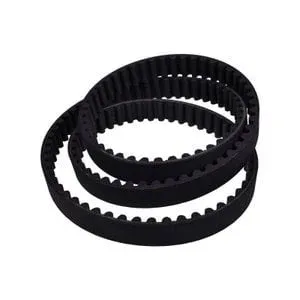
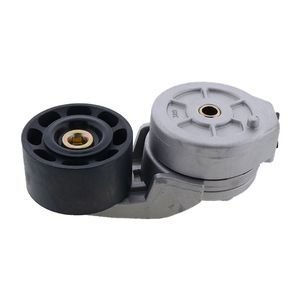
Matched Cooling Sets — This Carrier-compatible water pump belt ships alongside verified tensioners and pulleys matched to your specific engine serial variant.
Technical Specifications
| Parameter |
Value |
| Part Number |
50-00162-25 |
| Product Type |
Belt |
| Cross-Reference |
50-00162-20, 50-60288-21, 500016225, 500016220, 50-6028821, 506028821, CA-50-00162-25-AM, CA500016225AM, CP10651, 10651, 50-01180-02, 500118002 (reference only) |
| Machine Fitment |
Carrier X4 7500, X4 6600 MT, X2 1800, X2 2100, X2 2100A, X2 2100R, X2 2500A, X2 2500R, Vector, Supra 650, Supra 750 |
| Construction |
High-tensile polyester cord with heat-resistant rubber compounding |
| Features |
Precision-molded tooth profile, oil and chemical resistance, reinforced edge design |
| Condition |
New Aftermarket |
| Warranty |
3-12 months against manufacturing defects |
| Standards |
ISO 9001 |
Application Suitability
| Engine System |
Related Components |
| Engine Cooling & Circulation |
Water pump assembly, coolant hoses, thermostat |
| Belt Drive & Tensioning |
Automatic tensioner, idler pulleys, alignment brackets |
| Compressor Drive Circuit |
Compressor clutch, secondary drive belts |
| Scheduled Overhaul Consumables |
Full engine gasket sets, seal kits, coolant filters |
System Failures Hidden Behind a Snapped Water Pump Belt
A broken belt is rarely the root cause; it is usually the final symptom of a misaligned pulley or degraded coolant attacking the rubber compound.
When a transport refrigeration unit shuts down on the highway, the immediate assumption is belt fatigue. In reality, the water pump belt engine replacement often fails because the tensioner spring has lost its calibration or a minor coolant leak has been dripping onto the drive path for weeks. I have seen fleets replace the belt three times in a single season without ever checking the pulley runout [NEED_CITE: transport refrigeration engine belt failure root cause analysis]. The cargo warms up, the compressor overheats, and the blame falls on the rubber, while the actual fault remains buried in the accessory drive system.

The Cooling Circuit Context for Carrier Refrigeration Engines
This water pump belt engine replacement sits at the front of the Carrier engine accessory drive, responsible for circulating coolant through the condenser and compressor circuit. If this single component stops moving, the entire refrigeration cycle collapses within minutes, regardless of compressor health. For units like the Vector or Supra series, the belt must match the specific groove profile dictated by the engine serial number, as Carrier introduced subtle variations in pulley diameters across production runs.
Serial Variants and the Danger of Assumed Interchangeability
Even within the same model family, such as the X4 7500 and X4 6600 MT, the belt length and tooth count can differ based on the alternator mounting bracket and tensioner style. A cross-reference list might show multiple numbers as interchangeable, but physical fitment depends on the exact engine build date and configuration [NEED_CITE: Carrier engine serial variant belt profile differences]. We verify the engine serial against the specific variant to ensure the water pump belt engine replacement matches the original routing path and tension load.
Material Behavior Under Thermal and Chemical Stress
The high-tensile polyester cord provides the structural backbone, resisting the stretching that typically causes a belt to slip off its pulleys under load. The heat-resistant rubber compounding is formulated to withstand the elevated ambient temperatures found inside a transport refrigeration engine enclosure, where airflow is restricted compared to standard automotive applications. The precision-molded tooth profile ensures positive engagement with the water pump sprocket, preventing the micro-slippage that generates destructive friction heat. Reinforced edge design helps the belt resist fraying when exposed to minor misalignment or chemical splash from adjacent coolant lines.
The Hidden Cost of Ignoring the Tensioner
Replacing the belt without inspecting the automatic tensioner is a common error that leads to rapid re-failure. A fatigued tensioner spring cannot maintain the necessary clamping force, causing the new water pump belt engine replacement to flutter and generate excessive heat at the pulley contact points. This results in a second roadside breakdown, doubled freight costs for emergency parts, and potential damage to the water pump bearing itself from the erratic loading [NEED_CITE: belt tensioner fatigue and water pump bearing wear correlation]. The cost of a matched tensioner kit is negligible compared to the cargo loss from a second refrigeration failure.
Sourcing Matched Sets from a Single Technical Account
We supply the belt alongside the correct tensioner and idler pulleys as a verified set, eliminating the risk of mismatched components arriving from different vendors. Our technical team confirms the engine serial variant before dispatch, ensuring the water pump belt engine replacement aligns with the specific pulley geometry of your unit. You receive a single commercial invoice and packing list for the entire cooling system refresh, backed by a unified warranty that covers the interaction between the belt and the tensioning hardware.
Documentation & Verification
- Commercial invoice listing the specific belt variant and matched tensioner part numbers.
- Cross-reference sheet verifying the 50-00162-25 interchange against your engine serial (reference only).
- Dimensional inspection record confirming tooth profile and belt length tolerances.
- Warranty terms covering manufacturing defects across the entire cooling drive kit.
- Packing photographs showing the consolidated kit before crate closure.
- HS code classification support for international customs clearance.
Installation & Rebuild Sequence
- Verify pulley runout and alignment before installing the new water pump belt engine replacement.
- Flush the cooling system to remove contaminants that could degrade the new rubber compound.
- Install the matched tensioner and torque to specification before routing the belt.
- Run the engine at idle to seat the belt teeth, then re-check tension after the initial heat cycle.
Rebuild Planning and Inquiry Details
To ensure the correct water pump belt engine replacement and matched components are selected, please provide the Carrier unit model, the engine serial number, and any details regarding previous tensioner replacements or coolant system repairs.
Frequently Asked Questions
Q: What other engine cooling components should I replace along with this belt?
A: We recommend replacing the automatic tensioner and inspecting the idler pulleys for bearing play whenever the belt is changed. Coolant hoses and the thermostat should also be evaluated, as a degraded hose can leak onto the belt path, causing premature rubber failure and system shutdown.
Q: How do I confirm the correct belt variant for my specific Carrier engine serial?
A: Provide the engine serial number and the unit model plate information. We cross-reference these details against the specific production run to verify the exact tooth profile and length required, as Carrier introduced variations across the X4 and Supra series production cycles.
Q: Why did the previous belt fail early — what system issues should I check?
A: Early failure usually indicates pulley misalignment, a seized tensioner, or coolant contamination on the rubber surface. Check the water pump bearing for play and inspect the pulley grooves for debris or wear that could prevent the belt from seating correctly and transferring load evenly.
Q: Do you supply matched belt and tensioner kits for Carrier refrigeration engines?
A: Yes, we supply verified kits containing the belt, tensioner, and idler pulleys matched to your specific engine serial variant. This ensures all components share the correct load ratings and geometry, preventing the premature wear caused by mixing incompatible aftermarket parts.
Q: How do I identify my Carrier unit's engine model if the nameplate is worn?
A: You can send clear photographs of the engine block casting numbers, the water pump housing, or the existing belt routing path. Our technical team uses these visual cues alongside the unit's chassis number to identify the correct engine build and the required belt specification.