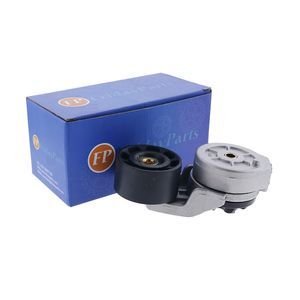
System-Matched Rebuild Component — tensioner variant confirmed against Cummins engine serial prefix before dispatch to prevent accessory drive mismatch.
Technical Specifications
| Parameter |
Value |
| Part Number |
5333477 |
| Product Type |
Belt Tensioner |
| Cross-Reference |
5333477 (for identification purposes) |
| Machine Fitment |
B3.9L, 4BT, 6BT, 5.9L, 6B, 6BTA, 4BTA, NT855, 6CT, QSB6.7, QSF2.8 |
| Housing Material |
High-silicon aluminum alloy (A380) |
| Internal Spring |
Cold-wound ASTM A228 music wire, heat-treated Rc 48–52 |
| Pivot Shaft |
Hard-chromed 42CrMo steel (HRC 58–62), Ra ≤0.4 μm bearing surfaces |
| Sealing Material |
Nitrile rubber (NBR 70 Shore A) |
| Sealing Temperature Rating |
120°C |
| Operating Temperature Range |
-25°C to +110°C |
| Tension Retention |
52 N·m ±3% over 12,000+ cycles |
| Condition |
New Aftermarket |
| Warranty |
6 months against manufacturing defects |
| Standards |
ISO 9001, SAE J1952 |
Application Suitability
| Engine System |
Related Components |
| Accessory Belt Drive (Cummins B-Series) |
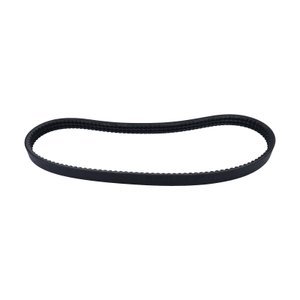
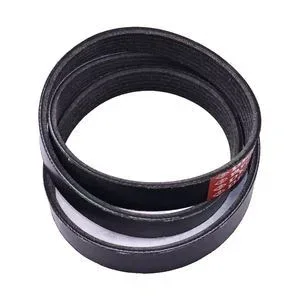
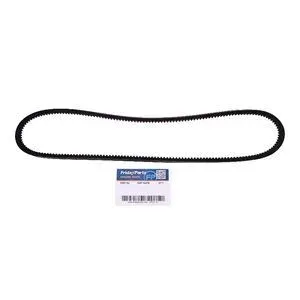
Serpentine belt, idler pulley, alternator bracket, water pump pulley |
| Front Cover Assembly (Cummins 6BT/5.9L) |
Front crankshaft seal, timing gear cover gasket, belt guard |
| Fan Hub Drive (Cummins NT855/6CT) |
Fan hub bearing, fan spacer, drive belt set |
| Auxiliary Drive (QSB6.7 / QSF2.8) |
A/C compressor clutch pulley, hydraulic pump drive belt |
Why A Belt Tensioner Fails Weeks After An Engine Rebuild
Replacing the tensioner without inspecting the accessory drive system often leads to repeat failure within a short service window.
When I worked on the procurement side for a mining fleet in Kalimantan, I saw Belt Tensioner units replaced on Cummins 6BT engines only to loosen again before the next scheduled service. The root cause was rarely the tensioner itself. Pulley misalignment from a warped mounting face, oil contamination from a leaking front crankshaft seal, or a fatigued serpentine belt left in place during a partial rebuild all transfer stress directly back onto the new unit. [NEED_CITE: accessory drive system root cause analysis for diesel engines] A belt tensioner engine rebuild replacement should therefore never be treated as an isolated line item — it sits inside a system, and the system must be addressed together.
Where This Tensioner Sits In The Accessory Drive System
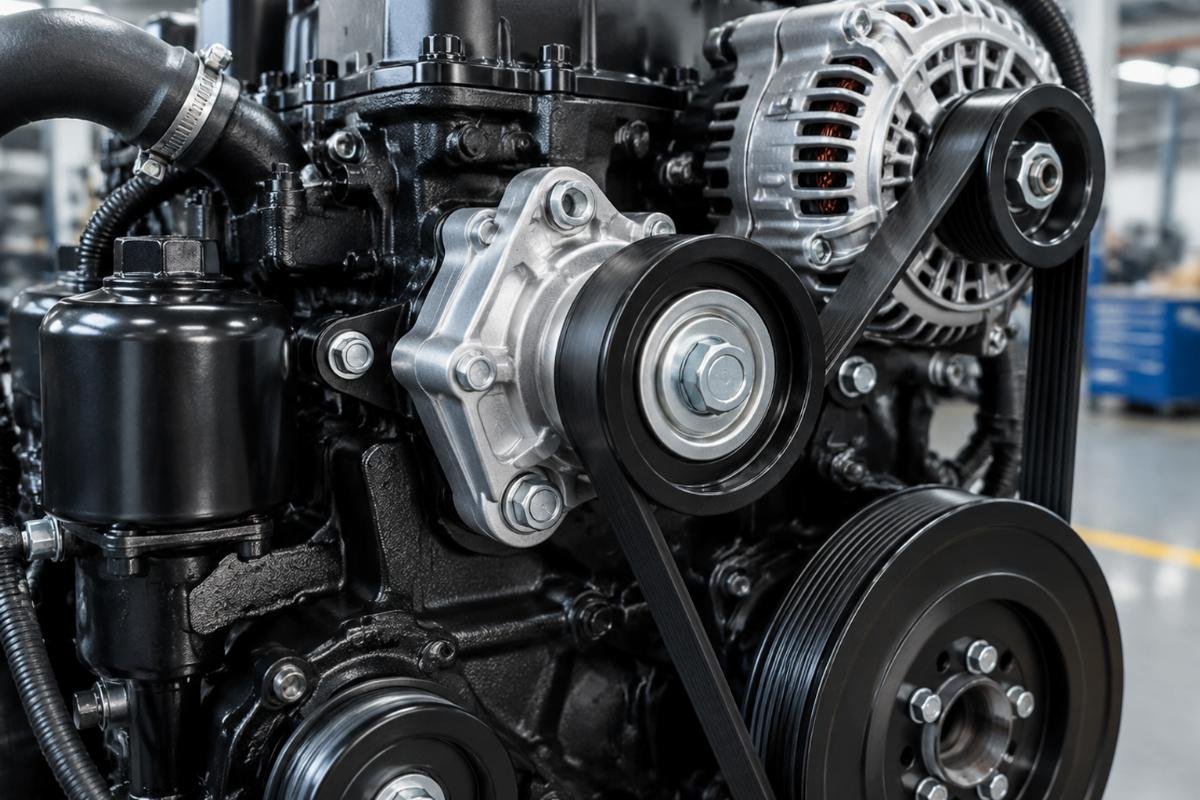
The belt tensioner engine rebuild replacement occupies a defined position in the Cummins B-series and related engine accessory drive. It maintains constant load on the serpentine belt that connects the crankshaft pulley to the alternator, water pump, fan hub, and — depending on the configuration — the A/C compressor or hydraulic pump drive. During a full engine overhaul, this component must be evaluated alongside every other belt-contacting surface. A worn idler pulley bearing or a glazed belt will force the new tensioner to compensate beyond its designed travel range, accelerating spring fatigue.
Engine Serial Variants And Tension Specification Differences
Cummins B3.9L, 4BT, 6BT, and 5.9L engines span multiple serial ranges with different accessory bracket geometries and tension requirements. The pivot shaft length, spring rate, and pulley offset can differ between an early 6B and a later 6BTA build. [NEED_CITE: Cummins B-series engine serial range variant differences] Confirming the exact engine serial prefix before ordering ensures the tensioner arm travel and 52 N·m retention value align with the specific bracket and belt routing of your engine build. Mismatched variants are a common cause of premature belt slippage after a rebuild.
Material And Thermal Specification Breakdown
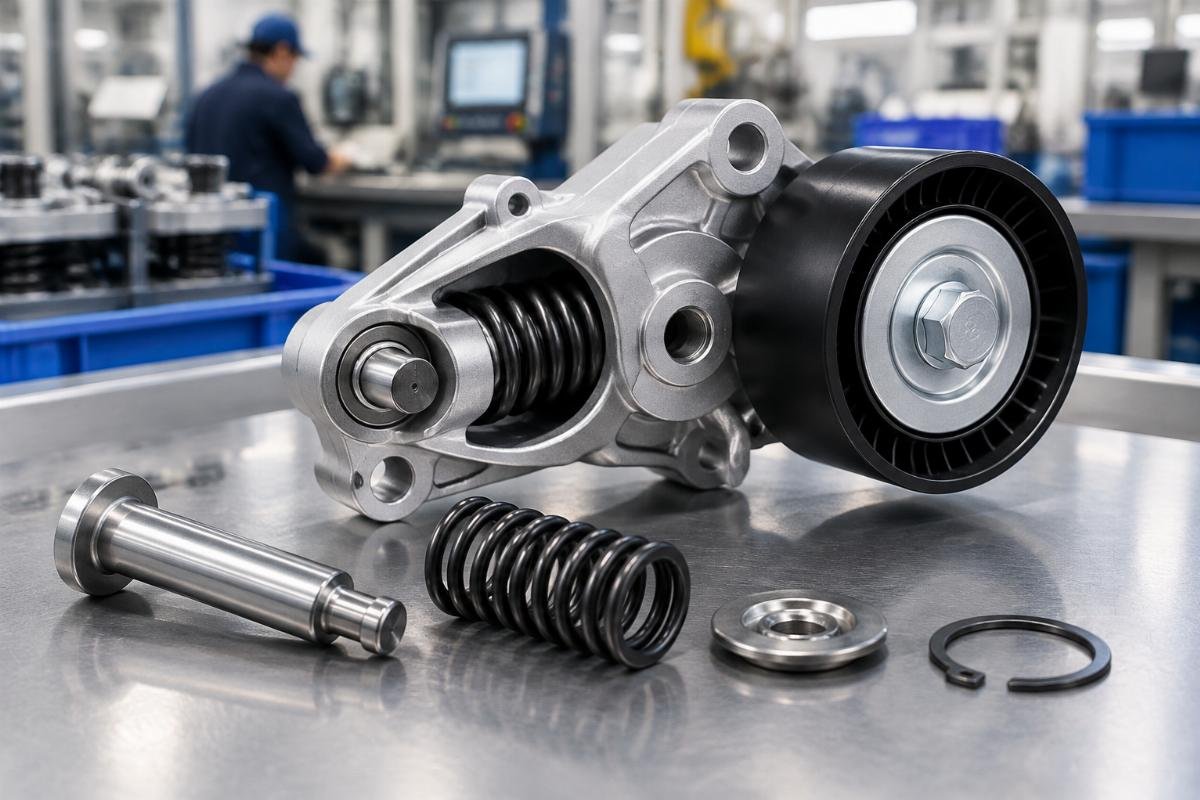
The A380 high-silicon aluminum housing resists thermal distortion in the high-heat zone near the exhaust manifold, where operating temperatures routinely approach the upper limit of the -25°C to +110°C range. The cold-wound ASTM A228 music wire spring, heat-treated to Rc 48–52, maintains its load profile through repeated thermal cycles without relaxation. The hard-chromed 42CrMo pivot shaft, finished to Ra ≤0.4 μm, provides a low-friction bearing surface that prevents the stick-slip oscillation responsible for belt flutter at idle. NBR 70 Shore A seals rated to 120°C prevent oil migration into the spring cavity, which is a primary cause of tension loss in contaminated engine environments.
The Hidden Cost Of Skipping System-Level Inspection
When a tensioner is swapped without checking the front crankshaft seal, oil wicks onto the belt and degrades the rubber compound. The belt then slips, generating heat that transfers back through the pulley into the tensioner bearing. [NEED_CITE: belt contamination failure mode in diesel accessory drives] I have seen this cycle repeat three times on a single 4BT-powered excavator before the workshop finally replaced the seal, belt, and tensioner as a matched set. Each repeat failure meant additional teardown labor and another machine-down period that could have been avoided with a complete system approach the first time.
Why Source This Tensioner Through Our Engine System Desk
Our own production lines and qualified sourced supply operate under one warranty account, so whether this tensioner ships alone or as part of a full overhaul kit, the QC terms are identical. We stock common B-series variants in our Guangzhou warehouse for fast dispatch on standard configurations. Our technical team verifies tensioner variant against engine serial number prefix, cross-referencing superseded part numbers to catch the bracket-geometry differences that catalogs often miss. A sample can be shipped for fitment confirmation before bulk commitment on fleet rebuild programs. Every order ships with a part compatibility sheet and quality inspection record covering torque-angle validation.
Documentation & Verification
- Commercial invoice listing each tensioner variant by engine serial prefix
- Cross-reference sheet mapping 5333477 (reference only) to superseded numbers
- Dimensional inspection record covering pivot shaft diameter and arm travel
- Quality test report with thermal soak and cycle-retention data
- Packing photographs showing foam-protected housing before crate closure
- HS code and customs classification support for destination-country import
Installation & Rebuild Sequence
- Inspect accessory bracket mounting face for flatness before tensioner installation
- Replace front crankshaft seal and serpentine belt in the same service window
- Verify pivot shaft rotates freely without binding through full arm travel range
- Torque mounting fastener to specification and confirm pulley alignment with straight-edge
- Run engine at idle for initial bedding cycle and re-check belt deflection after cooldown
Request A System-Matched Quotation
Provide your Cummins engine model, serial number prefix, and any prior rebuild history so we can confirm the correct tensioner variant and advise which adjacent belt drive components should be included. If the engine is mid-overhaul, share the current belt routing layout or bracket photograph for fitment verification before we quote.
Frequently Asked Questions
Q: What other belt drive components should be replaced together with the tensioner during an engine rebuild?
A: During a Cummins B-series overhaul, we recommend replacing the serpentine belt, idler pulley, and front crankshaft seal at the same time. Oil contamination from a worn seal is a primary cause of tensioner bearing failure, and a glazed belt forces the new tensioner to over-compensate. Ordering these as a matched set avoids partial-system failures that bring the machine back into the workshop within weeks.
Q: Do different Cummins engine serial ranges require different tensioner variants?
A: Yes. Cummins 6B, 6BT, and 6BTA engines across different production periods use accessory brackets with varying pulley offsets and spring rate requirements. The pivot shaft length and arm travel may differ between serial ranges. Providing your engine serial prefix allows us to verify the exact variant needed and confirm the tension retention specification matches your build.
Q: How do I identify the root cause of tensioner failure — is it the belt, pulley, or front seal?
A: Inspect the failed tensioner bearing for oil residue, which points to a leaking front crankshaft seal. Check the serpentine belt for glazing or cracking, indicating heat overload from misalignment. Examine the idler pulley for axial play, suggesting bearing wear. Addressing all three areas during a single rebuild prevents the cycle of repeat failures that plagues partial repairs.
Q: Is this tensioner included in standard overhaul kits or ordered separately?
A: Most standard overhaul gasket kits do not include the belt tensioner. It is typically ordered as a separate line item alongside the belt and idler pulley. When you provide your full engine model and serial number, we can confirm whether a bundled belt drive kit is available for your specific build or whether individual components should be listed.
Q: How do I confirm the correct engine model and serial number for fitment verification?
A: The engine serial number is stamped on the Cummins dataplate, usually located on the valve cover or gear housing. If the plate is worn or painted over, a photograph of the engine block casting number and accessory bracket layout allows our technical team to cross-reference the correct tensioner variant and confirm compatibility before dispatch.