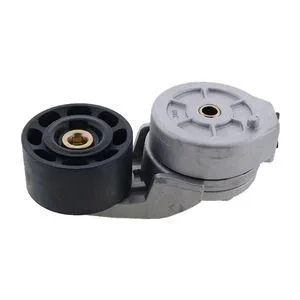
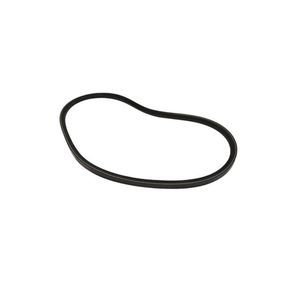
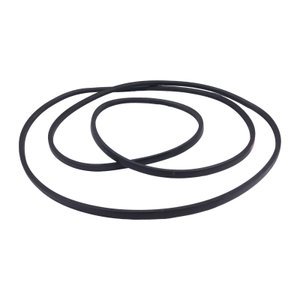
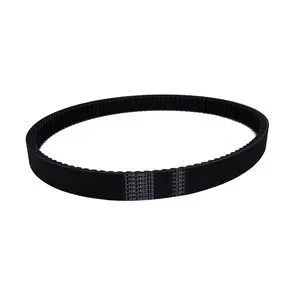
Matched Set Dispatch — Every belt tensioner 3936202 3917485 ships verified against your Cummins engine serial variant for correct tension and routing geometry.
Technical Specifications
| Parameter |
Value |
| Part Number |
3936202 3917485 |
| Product Type |
Belt Tensioner |
| Cross-Reference |
3936202, 3917485, 3918944, 3934817, 3936203, 3967188, 3964636 (reference only) |
| Machine Fitment |
Hyundai 33HDLL, R130LC-3, R130W-3, R140LC-7, R160LC-3, R170W-3, R180LC-3, R200NLC-3, R200W, R200W-2, R200W-3, R210LC-3, R210LC-3_LL, R210LC-7, R250LC-3 |
| Engine Compatibility |
Cummins 4BT, 6BT, B4.5, QSB6.7, QSL9 |
| Condition |
New Aftermarket |
| Warranty |
3–12 months against manufacturing defects |
| MOQ |
1 piece |
| Manufacturing Standard |
ISO 9001 |
Application Suitability
| Engine System |
Related Components |
| Accessory Drive |
Serpentine belt, idler pulleys, alternator bracket |
| Cooling System Drive |
Water pump pulley, fan hub assembly |
| Overhaul Refresh |
Tensioner arm, pivot bushing, mounting hardware |
| Preventive Maintenance |
Belt alignment gauge, accessory drive gaskets |
Why the Tensioner Fails Again After a Belt Drive Rebuild
Most repeat belt drive failures trace back to an undiagnosed root cause rather than a defective tensioner.
A machine comes in for a belt replacement, and the old tensioner gets reused because it still moves by hand. Weeks later, the new belt shows uneven wear on one rib, or the squeal returns under load. I have torn down Cummins 4BT engines where the belt looked like it had been shaved on one edge — the tensioner pivot bore was worn just enough to let the arm deflect under accessory load, but not enough to feel sloppy during a quick check. The real cost is not the belt itself; it is pulling the radiator and fan shroud a second time to reach the belt drive again. Cummins belt drive systems on excavators endure constant vibration and thermal cycling, which accelerates pivot wear beyond what a visual inspection reveals [NEED_CITE: Cummins belt drive system inspection criteria for off-highway applications].

Belt Drive System Positioning in 4BT and 6BT Platforms
The belt tensioner sits at a critical node in the Cummins 4BT and 6BT accessory drive, managing load fluctuations from the alternator, water pump, and any auxiliary drives sharing the serpentine path. On these platforms, a belt tensioner engine overhaul rebuild must account for the entire belt routing geometry, not just the tensioner arm in isolation. When an engine rebuild kit is assembled without the correct tensioner variant matched to the specific engine serial, the belt can track slightly off-center across the pulleys, causing premature rib wear.
Matching the Tensioner to Your Engine Serial Variant
Cummins 4BT, 6BT, B4.5, QSB6.7, and QSL9 engines share architectural similarities but differ in tensioner mounting bolt patterns, arm lengths, and spring rates. A tensioner pulled from a QSB6.7 may physically bolt onto a 4BT block, but the spring tension will not match the shorter belt span, leading to slippage under load or excessive bearing wear on the idler. Before confirming an order, the engine serial number should be checked against the build sheet to verify which tensioner variant was originally installed and whether any superseded numbers apply [NEED_CITE: Cummins engine serial variant identification for belt drive components].
Reading the Specifications That Matter for Belt Drive Longevity
The tensioner arm spring rate determines how consistently belt tension is maintained as the belt stretches with heat and wear. A spring that has lost a meaningful portion of its original rate will allow the belt to flutter at certain RPM ranges, which accelerates rib cracking and can damage the harmonic balancer over time. The pivot bushing material affects how long the arm maintains alignment — worn bushings introduce lateral play that no amount of belt adjustment can correct. The pulley bearing sealed inside the tensioner must handle the radial loads imposed by the belt under maximum accessory demand, including sudden alternator load spikes common on excavators running multiple electrical systems.
The Hidden Cost of Skipping the Tensioner During Overhaul
Reusing a tensioner during an engine rebuild to save on the parts list often leads to a second teardown within the first few hundred operating hours. The old tensioner may look functional, but internal spring fatigue and pivot wear are not visible without disassembly. When the belt fails prematurely, the water pump stops turning, and an overheated engine can warp the cylinder head — turning a belt drive refresh into a full top-end rebuild. Shops that replace the tensioner as part of a matched set report meaningfully fewer comebacks on belt drive related warranty claims.
Why Source This Belt Tensioner Through XUNPO
Our Guangzhou facility produces selected belt drive lines and sources the remainder from ISO 9001 certified partners, all under one warranty and one account. A single belt tensioner 3936202 3917485 order can include matched belts, idler pulleys, and accessory gaskets in one consignment, eliminating split shipments. The technical team cross-references your engine serial against superseded and alternate numbers before dispatch. Sample units are available for fitment confirmation before you commit to a bulk order.
Documentation & Verification
- Commercial invoice listing each belt drive component with its cross-reference number
- Part compatibility sheet confirming tensioner variant against your engine serial (reference only)
- Dimensional inspection record covering arm length, pivot bore, and pulley runout
- Warranty terms covering manufacturing defects for 3 to 12 months
- Packing photographs documenting belt drive kit contents before crate closure
- HS code and customs documentation for international belt drive component shipment
Installation & Rebuild Sequence
- Inspect the tensioner mounting surface on the block for cracks or stripped threads before installation
- Verify the belt routing diagram matches your specific Cummins variant — routing differs between 4BT and QSB6.7
- Torque the tensioner mounting bolts to the specification for your engine serial to avoid housing distortion
- Check belt deflection and alignment across all pulleys after the tensioner is seated and the belt is routed
- Run the engine to operating temperature and re-check belt tracking and tensioner arm position under load
Request a System-Matched Quote
Provide your Cummins engine model, serial number, and any previous rebuild history so we can confirm the correct tensioner variant and identify matched components for the belt drive system.
Frequently Asked Questions
Q: What other belt drive components should be replaced alongside the tensioner?
A: A complete belt drive refresh typically includes the serpentine belt, all idler pulleys, and the tensioner arm pivot bushing. On higher-hour Cummins 4BT and 6BT engines, the harmonic balancer should also be inspected for rubber deterioration. Replacing these as a matched set prevents the new tensioner from compensating for worn adjacent components.
Q: How do I confirm the correct tensioner variant for my engine serial number?
A: Provide the full Cummins engine serial number from the data plate. Cross-reference numbers like 3936202 and 3917485 cover multiple variants, but mounting pattern and spring rate differ across 4BT, 6BT, and QSB6.7 builds. We verify against the engine build sheet before confirming shipment.
Q: Does this tensioner fit QSB6.7 or QSL9 the same way it fits 4BT and 6BT?
A: The basic tensioner architecture is shared, but QSB6.7 and QSL9 variants often use different arm lengths and belt routing paths. A tensioner that bolts on may not maintain correct tension if the spring rate does not match the longer or shorter belt span of these platforms.
Q: How can I tell whether the tensioner or the belt caused the failure?
A: Inspect the old belt for uneven rib wear — wear concentrated on one edge typically points to tensioner pivot wear or pulley misalignment. A belt with uniform cracking across all ribs usually indicates age or heat degradation. Both scenarios warrant tensioner replacement during the repair.
Q: What should an overhaul kit include for a complete belt drive system refresh?
A: Beyond the tensioner and belt, include all idler pulleys, the accessory drive gasket set, and any mounting hardware that shows corrosion or thread damage. On engines with previous rebuilds, verify whether oversize or alternate grade fasteners were used that affect tensioner mounting geometry.