Engine Sequence Variants Confirmed — drive system components verified against each SVRII-61V engine build variant before dispatch
Technical Specifications
| Parameter |
Value |
| Part Number |
486586 |
| Product Type |
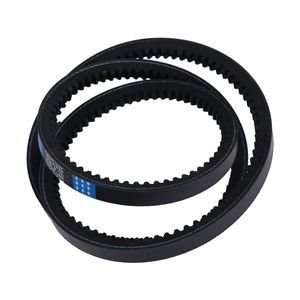
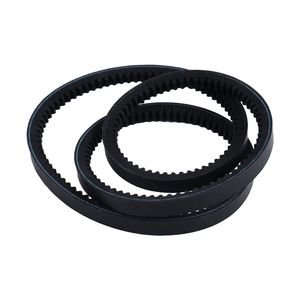
Belt |
| Cross-Reference |
754-05078, 75405078, 954-05078, 95405078, 574845603, 07200808, 5104583, 71460198, 539107709, 266-187, 266187 (reference only) |
| Machine Fitment |
Scag SVRII-61V-25FX, SVRII-61V-26CV-EFI, SVRII-61V-29CV-EFI, SVRII-61V-31CV-EFI, SVRII-61V-31FX, SVRII-61V-37BV-EFI, SVRII-61V-38CV-EFI, SVRII-61V-38FX-EFI, SVRII-61V-40BV-EFI |
| Condition |
New Aftermarket |
| Warranty |
3-12 months against manufacturing defects |
| Standards |
ISO 9001 |
Application Suitability
| Engine System |
Related Components |
| Engine-driven power transmission |
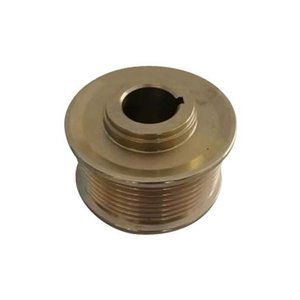
Drive pulleys, idler assemblies, tensioner springs |
| Deck spindle drive circuit |
Spindle bearings, deck belt, pulley guards |
| Hydro pump drive linkage |
Pump coupling, hydro belt, drive sheave |
| PTO and accessory drive |
Clutch assemblies, engagement cables, idler pivots |
Why the Same Belt Part Number Behaves Differently Across EFI and Carbureted Builds
Verify the engine serial and fuel system type before ordering — EFI and carbureted variants within the SVRII-61V series route the belt differently and demand different tensioner spring rates.
When I first moved from reading parts catalogs to supporting engine rebuilds in the Shandong manufacturing belt, I learned that a belt part number alone never tells the whole story. A shop once ordered Belt 486586 engine drive belt replacement units for a fleet of SVRII-61V mowers and installed them without checking whether each unit had the EFI or BV engine package. Several belts slipped within the first mowing pass. The tension requirements between a 26CV-EFI and a 37BV-EFI are not identical, and the routing path around the idlers shifts with the engine variant [NEED_CITE: Scag SVRII-61V service manual engine variant belt routing differences]. Treating every SVRII-61V as interchangeable is how repeat failures start.

The Drive System This Belt Belongs To
Belt 486586 operates inside the engine-driven power transmission circuit of Scag SVRII-61V commercial mowers. This is the circuit that transfers crankshaft output to the deck spindles and hydro pump, meaning it carries the full load of cutting and propulsion simultaneously. When this belt fails, the mower does not just lose deck drive — the hydro system can lose input as well, leaving the machine stranded mid-cut. Understanding which subsystems share this single belt path is essential before scheduling a replacement.
How Engine Serial Variants Change the Replacement
Within the SVRII-61V lineup, engines from 25FX through 40BV-EFI share the same base mower frame but differ in internal configuration. The EFI versions typically run a different accessory layout compared to the FX and BV carbureted builds, which alters belt wrap angle and idler position. I have seen shops receive the correct Belt 486586 engine drive belt replacement and still experience slippage because the tensioner spring on an EFI unit had already weakened beyond what the new belt could compensate for. Always confirm the exact engine suffix — whether it reads 26CV-EFI, 31CV-EFI, 38FX-EFI, or 37BV-EFI — before finalizing the order [NEED_CITE: engine serial variant identification for commercial mower drive belts].
What the Specifications Actually Mean in the Field
This aftermarket belt is manufactured under ISO 9001 quality management, which governs process consistency from compound mixing through curing and final dimensional inspection. The warranty covers manufacturing defects for a period of 3 to 12 months, reflecting confidence in the tensile cord and rubber compound integrity under continuous load. In belt drive systems, the critical specification is not just the outside length but the cross-section profile and cord construction — these determine how the belt seats in the pulley groove and resists stretch under heat. A belt that matches the part number but uses a different cord material can appear to fit perfectly yet lose tension within hours of operation. The cross-reference numbers provided (including 754-05078 and 954-05078 as interchange reference) help confirm dimensional compatibility across sourcing channels, but physical verification of the old belt markings remains the most reliable method.
The Cost of Overlooking Systemic Root Causes
Replacing the belt without inspecting the pulleys, tensioner, and idler bearings is the most common reason for repeat failure in this drive circuit. A worn pulley groove will chew through a new belt in a matter of days, and a seized idler bearing generates enough heat to degrade the belt compound from the inside out. I have pulled belts off machines that were less than a week old, with the cord separated from the rubber because the shop never checked the adjacent components. In a commercial mowing fleet running machines daily through a season, this kind of repeat failure means lost revenue on every down day [NEED_CITE: premature belt failure root cause analysis in commercial mowing equipment]. The belt is rarely the root cause — it is the first component to show the symptom.
What XUNPO Brings to This Specific Purchase
Our technical team cross-checks the engine serial variant you provide against the known SVRII-61V build configurations before confirming shipment. We supply matched belt-and-pulley sets for complete drive system overhauls, not just individual belts in isolation. Every belt ships with a quality inspection record documenting dimensional checks and tensile verification. Our Guangzhou warehouse stocks common drive system components for rapid dispatch, and we accept orders from a single piece — no minimum quantity gatekeeping an emergency repair. Cross-reference verification covers superseded and alternate numbers so you receive the correct variant on the first shipment.
Documentation & Verification
- Commercial invoice listing each belt variant by engine suffix for traceability
- Part compatibility sheet showing cross-reference numbers marked as reference only
- Quality inspection record with dimensional and tensile test results per batch
- Warranty terms covering manufacturing defects for 3 to 12 months from delivery
- Packing photographs confirming belt condition and labeling before crate closure
- HS code and customs documentation support for international freight clearance
Installation & Rebuild Sequence
- Clean all pulley grooves and inspect for nicks before routing the new belt
- Verify tensioner spring rate matches the EFI or carbureted engine variant
- Check idler bearing free-spin and listen for grinding before reassembly
- Route belt per the engine-specific diagram — EFI and FX paths differ
- Run engine at idle for initial seating, then recheck tension after warm-up
Confirm Your Drive Configuration Before Ordering
Send us the engine model suffix from your SVRII-61V nameplate — whether it reads 25FX, 29CV-EFI, 38FX-EFI, or another variant — along with any markings visible on the old belt. If the nameplate is unreadable, a photograph of the pulley layout and tensioner assembly lets our technical team confirm the correct routing and part match. For fleet orders, include the full list of machine serial numbers so we can consolidate matched sets for each engine build in a single shipment.
Frequently Asked Questions
Q: What other drive components should I inspect when replacing this belt?
A: Check every pulley groove for wear ridges, test each idler bearing for free rotation and axial play, and verify the tensioner spring still returns to full extension. On EFI variants, also inspect the accessory bracket alignment since a shifted bracket changes belt wrap angle. Replacing the belt without addressing worn adjacent components is the primary cause of early repeat failure.
Q: Do EFI and non-EFI SVRII-61V models use the same belt?
A: The base belt part number can be shared across variants, but EFI and carbureted models often differ in belt routing path and tensioner calibration. Ordering by belt number alone without confirming the engine suffix risks receiving a part that physically fits yet slips under load due to mismatched tension. Always provide the full engine designation.
Q: Can I order matched pulley and tensioner sets together with the belt?
A: Yes. We supply complete drive system overhaul kits that include the belt, pulleys, tensioner assembly, and idler components matched to your specific SVRII-61V engine variant. Ordering the full set ensures matched tolerances across the drive circuit and eliminates the guesswork of sourcing individual pieces from separate suppliers.
Q: How do I confirm which cross-reference number matches my old belt?
A: Read the printed markings on the removed belt — most carry at least one manufacturer number. Compare it against the cross-reference list we provide, which includes numbers such as 754-05078 and 539107709 marked for identification purposes. If the old belt markings are worn away, send us a photo of the pulley layout and we will confirm the match.
Q: What causes repeated belt failure even after replacement?
A: Repeat failure typically traces to a systemic issue: misaligned pulleys, a fatigued tensioner spring, a seized idler bearing, or contaminated pulley grooves. The belt itself is usually the victim, not the cause. A full drive circuit inspection during replacement addresses the root fault rather than masking it with a new component that will fail under the same unresolved conditions.