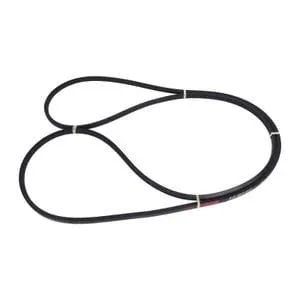
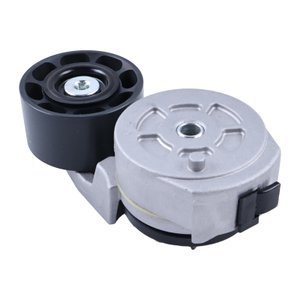
System-Level Match Verified — each deck drive belt 486586 ships with a cross-reference sheet covering pulley, tensioner, and clutch assembly compatibility for Scag SVRII-61V engine variants.
Technical Specifications
| Parameter |
Value |
| Part Number |
486586 |
| Product Type |
Belt |
| Cross-Reference (reference only) |
754-05078, 75405078, 954-05078, 95405078, 574845603, 07200808, 5104583, 71460198, 539107709, 266-187, 266187 |
| Machine Fitment |
SVRII-61V-25FX, SVRII-61V-26CV-EFI, SVRII-61V-29CV-EFI, SVRII-61V-31CV-EFI, SVRII-61V-31FX, SVRII-61V-37BV-EFI, SVRII-61V-38CV-EFI, SVRII-61V-38FX-EFI, SVRII-61V-40BV-EFI |
| Brand Compatibility |
Fits Scag SVRII-61V series mowers |
| Condition |
New Aftermarket |
| Warranty |
3–12 months against manufacturing defects |
| Standards |
ISO 9001, ISO 4184 |
Application Suitability
| Engine System |
Related Components |
| Deck drive power transfer |
Drive pulleys, idler pulleys, tensioner assembly |
| Engine output to spindle coupling |
Electric PTO clutch, spindle bearings, blade adapters |
| Belt routing and tracking |
Belt guides, deflector shields, sheave guards |
| High-RPM sustained operation |
Cooling fan drive, alternator belt, governor linkage |
Why a Deck Drive Belt 486586 Replacement Fails Again Within Weeks
The belt is rarely the root cause — the system it runs on usually is.
I have pulled too many freshly installed belts off commercial mowers only to find the real culprit sitting right next to them. A seized idler pulley, a worn clutch armature, or a spindle bearing with excessive runout will shred a new deck drive belt 486586 replacement in a matter of hours. The machine goes back to work, the operator thinks the problem is solved, and then the belt snaps mid-job during a mowing contract. The pattern repeats because the failure symptom was treated instead of the failure source [NEED_CITE: belt drive system failure root cause analysis for commercial turf equipment]. Shops that inspect the entire power transfer path — from engine output sheave through every pulley and spindle — before ordering parts see meaningfully fewer repeat breakdowns across their fleet.

Power Transfer Path and System Interactions
This belt sits at the critical junction where engine torque meets the cutting deck. It transmits output from the engine crankshaft pulley through an electric clutch and into the deck drive pulleys that spin each blade spindle. Every component along that path imposes load on the belt. A clutch that engages harshly sends shock loads through the tensile cords. A pulley with wobble creates cyclic lateral stress that frays the belt edges long before the rubber compound reaches the end of its service life. Understanding the deck drive belt 486586 replacement engine system as a connected chain of components — not an isolated wear item — is what separates a lasting repair from a temporary patch.
Variant Differences Across SVRII-61V Engine Configurations
The SVRII-61V platform ships with multiple engine options ranging from the 25FX to the 40BV-EFI, and while the base belt part number remains constant, the surrounding system does not. EFI-equipped variants run different clutch engagement profiles compared to carbureted models, which changes the cyclic loading pattern the belt endures. Higher-displacement engines produce greater peak torque at engagement, demanding that the belt material and tensile cord specification match the increased load. Before committing to bulk quantities, confirming the exact engine suffix on the machine nameplate ensures the belt variant ordered matches the clutch and pulley configuration installed on that specific unit [NEED_CITE: engine variant belt specification differences for commercial mower platforms].
Belt Construction and What It Means Under the Deck
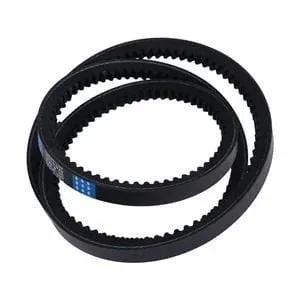
The cog geometry machined into the belt's inner surface determines how cleanly it seats in the pulley grooves at high RPM. Imprecise cog spacing causes the belt to ride higher in the sheave, generating heat through slippage and accelerating rubber degradation. The tensile cords — typically polyester or aramid — carry the actual load; their diameter and lay pattern define how much elongation occurs under sustained clutch engagement. The rubber compound must tolerate the thermal environment under a mower deck where grass clippings, moisture, and ambient heat combine into conditions that break down inferior compounds rapidly. Matched material specifications between the belt and the pulley surface finish are what deliver consistent power transfer without premature glazing or cracking.
The Hidden Cost of Skipping the System Check
When a deck drive belt 486586 replacement is installed without verifying pulley alignment, tensioner travel, and clutch air gap, the new belt inherits every unresolved defect in the system. A tensioner that no longer holds specification allows the belt to slip during engagement, burning the rubber and polishing the pulley grooves. That polished surface then accelerates wear on the next belt, creating a cycle where the shop keeps replacing belts without ever addressing the worn tensioner spring or the out-of-round pulley. Across a fleet of commercial mowers running daily, this pattern compounds into significant unplanned downtime and wasted parts spend that far exceeds the cost of a full system inspection at the first failure [NEED_CITE: cumulative downtime cost from repeat belt drive failures in fleet operations].
What Makes Sourcing This Part Here Different
Selected belt lines are produced in our own facility, while the remainder comes from qualified ISO-certified manufacturing partners — both carry the same quality control and warranty terms. Eight product categories mean a complete deck overhaul — belt, pulleys, clutch, seals, spindle bearings — ships as one consignment under one account. Minimum order starts at one piece, so a single emergency replacement or a sample for fitment confirmation is never blocked by quantity thresholds. Guangzhou warehouse stock enables fast dispatch on common items like the 486586. Part identification is available from the part number, machine model, photograph, or nameplate image. Cross-reference verification covers superseded and alternate numbers across all listed OEM references, each marked for identification purposes only. A technical team is available to confirm system compatibility and grade before you commit to a bulk order.
Documentation & Verification
- Commercial invoice and packing list referencing belt 486586 with batch traceability codes
- Part compatibility sheet mapping belt, pulley, and clutch variants (cross-reference only)
- Dimensional inspection record covering belt length, width, and cog profile
- Warranty terms specifying coverage period against manufacturing defects
- Packing photographs showing sealed polybag condition before crate closure
- HS code and customs documentation support for international belt shipments
Installation & Rebuild Sequence
- Clean all pulley grooves and inspect for scoring before routing the new belt 486586
- Verify tensioner travel and spring pressure against specification before installation
- Check clutch armature air gap and engagement voltage before reassembling deck drive
- Run the deck at idle for initial seating, then inspect belt tracking under load
- Re-torque spindle bolts and confirm blade balance after belt installation
Request a System Compatibility Check
To confirm the correct deck drive belt 486586 replacement for your machines, provide the full engine model suffix from the nameplate, any previous rebuild history, and the serial number prefix. If the nameplate is worn or painted over, a photograph of the existing belt and the pulley layout is enough for our technical team to verify system variant compatibility and prepare a matched component list.
Frequently Asked Questions
Q: What other deck drive components should be inspected when replacing this belt?
A: Every pulley should be checked for wobble, groove wear, and bearing play. The tensioner spring must hold specification pressure throughout its full travel range. The electric clutch armature air gap should be measured and compared to the engine manufacturer's tolerance. Spindle bearings should be rotated by hand for roughness or axial play. Any defect found in these components will shorten the new belt's service life.
Q: How do I identify the correct belt variant across different SVRII-61V engine configurations?
A: The engine suffix on the machine nameplate — such as 25FX, 29CV-EFI, or 38FX-EFI — determines the clutch type and pulley arrangement. EFI and carbureted variants use different engagement profiles that affect belt loading. Providing the full model string and serial prefix allows our team to cross-reference the exact system configuration and confirm which belt variant fits your specific machine.
Q: What system-level fault may have caused the original belt failure?
A: Common root causes include a seized idler pulley that drags the belt sideways, a worn tensioner that allows slippage during clutch engagement, and a clutch with incorrect air gap that engages harshly. Misaligned pulleys create lateral stress that frays belt edges. Identifying and correcting the source fault prevents the replacement belt from failing prematurely under the same unresolved system defect.
Q: Can a sample be provided for fitment confirmation before fleet-level ordering?
A: Yes, single-piece sample supply is available so you can verify physical fitment, pulley engagement, and tracking behavior on one machine before committing to a bulk order. This is particularly useful when dealing with mixed fleets where engine variants may require different belt configurations despite sharing the same base platform model designation.
Q: How do I verify cross-reference numbers against my specific engine serial?
A: Provide the engine serial number prefix along with any previous overhaul records. Superseded part numbers and alternate references are verified against your specific build configuration, accounting for production date changes and variant-specific revisions. All OEM reference numbers are used for identification purposes only and do not imply authorized or genuine status.