Engine Serial Variants Confirmed — belt routing and pulley configuration differ across Toro TimeMaster serial ranges, verified before dispatch.
Technical Specifications
| Parameter |
Value |
| Part Number |
120-3335 |
| Product Type |
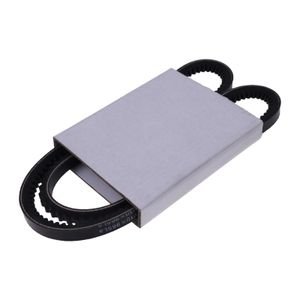
Belt |
| Cross-Reference |
265-610, 1203335, 265610, 120-3335-SL, 1203335SL (reference only) |
| Machine Fitment |
Toro TimeMaster 30 in. (20199, 20200, 20975–20978, 21199, 21199HD, 21200, 21810–21811, 22200–22235); Exmark S-Series & X-Series 30 in. (ECKA30, ECS180CKA30000, ECX180CKA30000, ECX200CKC30000) |
| Material |
High-tensile synthetic rubber compound with polyester cord reinforcement |
| Profile |
Precision-molded V-profile |
| Condition |
New Aftermarket |
| Warranty |
6-month warranty against manufacturing defects |
| MOQ |
1 piece |
| Standards |
ISO 9001, ISO 4184, RMA IP-20 |
Application Suitability
| Engine System |
Related Components |
| Belt drive — engine to cutting deck torque transfer |
Drive pulleys, deck spindle pulleys, belt tensioner assembly |
| Scheduled engine and deck maintenance |
Idler pulleys, deck spindle bearings, tensioner spring |
| Fleet consumable stocking for landscape contractors |
Matched belt sets, adjacent seal and fastener kits |
Why the Same Belt Number Fails Differently Across Serial Ranges
A V-Belt engine replacement for Toro TimeMaster units is not a simple swap-and-go procedure when serial range variations alter pulley geometry and routing paths.
In mining grounds maintenance and municipal landscaping fleets, I have watched crews install a fresh belt only to see it shred within days. The belt itself was correct by part number, but the tensioner on that serial range had worn past its adjustment limit, or a deck spindle bearing had developed enough play to throw the pulley out of alignment. These system-level faults destroy belts regardless of material quality. [NEED_CITE: belt drive system misalignment failure modes in commercial mowing equipment]
The V-Belt engine replacement for Toro TimeMaster and Exmark 30 in. mowers must be evaluated as part of a complete belt drive system, not as an isolated wear item. Skipping adjacent component inspection is the most common root cause of repeat failures I encounter in the field.

Belt Drive System Context and Adjacent Component Dependencies
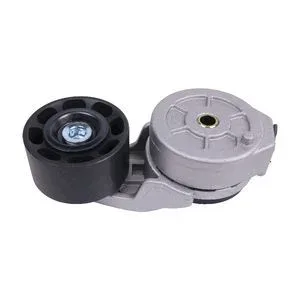
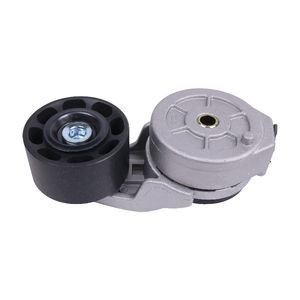
This Belt sits at the core of the mower's belt drive system, transferring engine crankshaft torque through a series of drive and deck pulleys to spin the cutting blades at operational RPM. When replacing this component, every pulley in the routing path should be inspected for groove wear, and the tensioner assembly must be checked for spring force retention and pivot bushing play. A V-Belt engine replacement for Toro TimeMaster machines that ignores these neighboring parts often solves nothing.
Serial Range Variants and Engine Configuration Differences
Across Toro TimeMaster and Exmark S-Series and X-Series 30 in. models, engine options and deck configurations changed between serial ranges, sometimes altering belt routing or requiring a different pulley setup. Units in the 20975–20978 range may route differently from those in the 22200–22235 block. Confirming the exact serial range against the service manual prevents misrouting that causes edge wear and premature failure. [NEED_CITE: Toro TimeMaster serial range belt routing variation service bulletin]
Material Selection and Thermal Cycling Resistance
The high-tensile synthetic rubber compound resists the thermal cycling typical of mower engine bays, where ambient heat from the exhaust system combines with friction-generated warmth at the pulley contact surfaces. Polyester cord reinforcement provides dimensional stability under load, preventing the belt from stretching beyond its designed tension window. The precision-molded V-profile ensures full contact with pulley grooves, which reduces edge wear and maintains stable RPM delivery to the cutting deck during heavy grass conditions.
The Hidden Cost of Treating the Symptom Alone
Installing a new belt without diagnosing why the previous one failed leads to predictable repeat downtime. A worn tensioner that no longer holds proper deflection allows the belt to slip under load, generating heat that degrades the rubber compound from the inside out. A deck spindle bearing with excess play creates lateral runout that saws through the belt sidewall. These faults are invisible if only the belt is changed. The machine returns to service, fails again within a short operating window, and the crew loses confidence in the replacement part itself. [NEED_CITE: diagnostic checklist for repeat belt drive failures in commercial mowers]
Why Procurement Decisions Land Here
Selected production lines run in-house while remaining supply comes from qualified ISO-certified partners, all under one account and one warranty covering this Belt. Eight product categories allow a complete belt drive overhaul list — pulleys, tensioners, bearings, fasteners — to ship as a single consignment rather than fragmented orders. Minimum order starts at one piece, supporting emergency single-unit repairs. Part identification is confirmed from the OEM reference number, machine model, photograph, or nameplate image. Cross-reference verification covers superseded and alternate numbers including the 265-610 and 120-3335-SL variants. A technical team is available for compatibility confirmation across Toro and Exmark serial ranges before bulk commitment.
Documentation & Verification
- Commercial invoice and packing list with Belt 120-3335 line item and serial fitment notes
- Cross-reference sheet listing 265-610, 1203335SL, and superseded variants marked reference only
- Dimensional inspection record covering V-profile width, length, and cord placement verification
- 6-month warranty terms against manufacturing defects included with each shipment
- Packing photographs documenting belt condition and polybag sealing before crate closure
- HS code and customs classification support for international belt drive parts import
Installation & Rebuild Sequence
- Inspect all drive and deck pulleys for groove wear before routing the new Belt 120-3335 onto the system
- Clean pulley grooves of oil residue and rubber debris to ensure full V-profile contact surface engagement
- Verify tensioner spring force and pivot bushing condition, replacing any component outside specification limits
- Check deck spindle bearings for axial and radial play that would induce belt runout during operation
- Run the mower at idle for a break-in period, then recheck belt deflection and alignment under no-load conditions
Request a System-Level Compatibility Review
Provide your Toro TimeMaster or Exmark model number, serial range, and engine configuration so the correct belt routing and pulley layout can be confirmed. If adjacent components such as tensioners or spindle pulleys are also due for replacement, share the full service list to receive a consolidated belt drive system quotation. For fleet accounts, include the range of serial numbers across your units to identify variant-specific requirements.
Frequently Asked Questions
Q: What other belt drive components should I inspect or replace when changing this belt?
A: Inspect every pulley in the routing path for groove wear, check the tensioner spring force and pivot bushing for play, and verify deck spindle bearings for axial and radial runout. Replace any component outside specification before installing the new belt. Ignoring these adjacent parts is the leading cause of repeat belt failure in commercial mower operations.
Q: Does the same belt number apply across all Toro TimeMaster serial ranges?
A: The 120-3335 reference covers multiple serial ranges, but engine options and deck configurations changed between production runs. Belt routing paths and pulley setups may differ between early and late serial blocks. Always confirm your exact serial range against the service manual or provide it during inquiry to verify correct fitment before ordering.
Q: How do I confirm the correct belt for my specific mower model and serial number?
A: Share the machine model, serial number, and engine type during your inquiry. Cross-reference verification covers OEM numbers including 120-3335, 265-610, and variant designations, all marked reference only. Photographs of the existing belt, nameplate, or pulley layout also help confirm the correct routing and part selection.
Q: What system-level conditions cause premature belt failure beyond the belt itself?
A: Pulley misalignment, worn tensioner springs, deck spindle bearing play, and oil contamination from adjacent engine seals all degrade belt life. These faults create heat, edge wear, and sidewall damage that no replacement belt can survive. A system-level diagnosis identifies the root cause rather than treating the broken belt as an isolated event.
Q: Can I request a sample to verify fitment before committing to a bulk order?
A: Yes. Sample supply is available for fitment confirmation on your specific Toro or Exmark model before placing a fleet-quantity order. This allows you to verify belt routing, pulley engagement, and tensioner compatibility on one unit, reducing the risk of a mismatched bulk shipment across multiple machines.