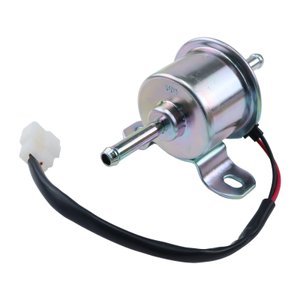
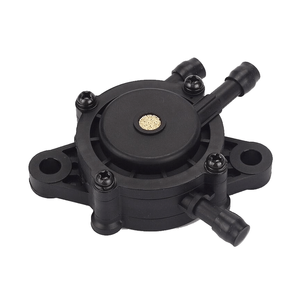
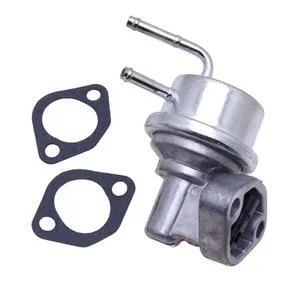
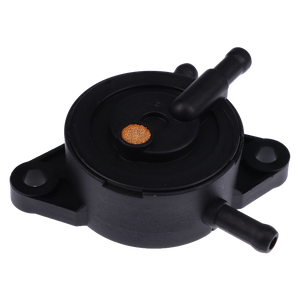
Matched Fuel System Sets — Each 12V electric fuel pump AM876265 is verified against engine serial variants before dispatch to ensure diaphragm grade and pressure output align with the specific fuel circuit configuration.
Technical Specifications
| Parameter |
Value |
| Part Number |
AM876265 |
| Product Type |
Fuel Pump |
| Cross-Reference |
AM109405 (reference only), AM876023 (reference only) |
| Machine Fitment |
John Deere Gator 4X2, 4X4, 6X4, HPX, F911, F912, F932, 777, 1420, 1800, 2020, 2030, 2020A, 2020 ProGator, 2020A ProGator, 2500 GAS, 2500 DIESEL, 2653, 322, 6X4 D, 6X4 TRAIL, HPX615E, Trail Gator, Worksite Gator; Yanmar 3TG72; Kawasaki FD620D, FD750D |
| Voltage |
12V DC |
| Output Pressure |
3.5–4.5 bar |
| Housing Material |
Reinforced polymer composite |
| Max Continuous Temperature |
120°C |
| Diaphragm Material |
SAE J1881 compliant hydrocarbon-resistant compound |
| Terminal Material |
Gold-plated brass |
| Contact Resistance |
Below 0.02Ω |
| Dimensional Tolerance |
±0.15 mm |
| Condition |
New Aftermarket |
| Warranty |
3–12 months against manufacturing defects |
| MOQ |
1 piece |
| Standards |
ISO 9001, SAE J1881 |
Application Suitability
| Engine System |
Related Components |
| Fuel delivery — primary pump stage |
Fuel filter, fuel lines, hose clamps, tank strainer |
| Injector feed circuit |
Injector nozzles, pressure regulator, return line seals |
| Electrical supply to pump |
Wiring harness connector, relay, fuse, terminal pins |
| Fuel tank and pickup assembly |
Tank inline screen, pickup tube gasket, vent valve |
| Cold-start enrichment system |
Choke linkage, primer bulb (where equipped), fuel shut-off solenoid |
Why the Same Fuel Pump Fails Again Within Weeks of Replacement
A replacement 12V electric fuel pump AM876265 that fails early almost always points to an unresolved contamination or electrical fault upstream in the fuel circuit.
In our workshop years across the Shandong equipment manufacturing belt, we saw John Deere Gator units return to the bench repeatedly because the original failure cause was never addressed. The burnt diaphragm or seized pump was a symptom. The actual problem sat in the tank, the filter housing, or the wiring connector feeding the unit. Replacing the pump in isolation meant the same contaminated fuel or the same voltage drop destroyed the new component within a matter of weeks [NEED_CITE: fuel system contamination root cause analysis for small displacement diesel and gasoline engines]. System-level diagnosis before teardown saves the second rebuild.
The Fuel Circuit as a Linked System
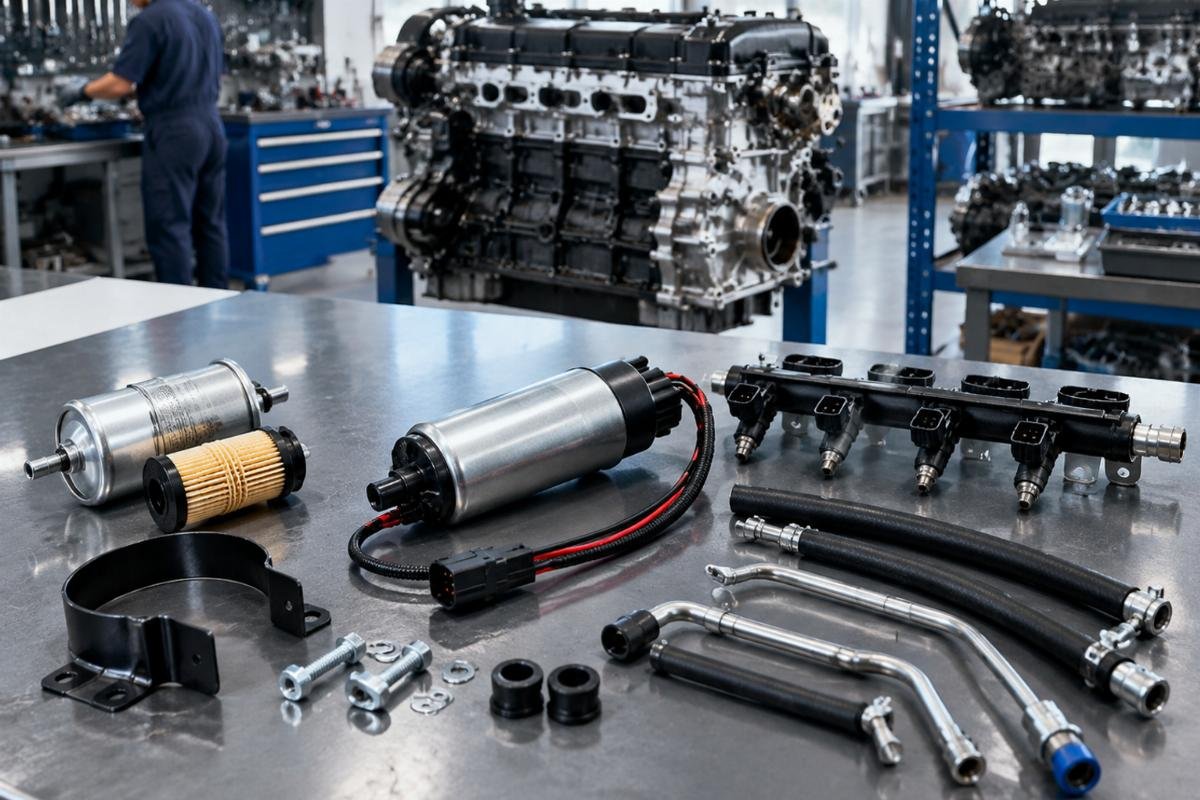
The 12V electric fuel pump AM876265 operates at a specific point in a chain of components whose conditions directly affect its load and service life. A clogged upstream strainer forces the pump to work against higher suction vacuum, accelerating diaphragm fatigue. A degraded downstream filter raises discharge back-pressure beyond the rated 4.5 bar ceiling, causing the internal relief path to cycle continuously. Injector nozzle wear introduces irregular demand pulses that stress the pump diaphragm unevenly. Evaluating the pump in isolation misses these contributing factors and sets up the replacement for premature failure.
Serial Variants and Superseded References
Across the Gator and 322 engine families, the same base machine model may carry different fuel system configurations depending on production year and engine serial prefix. Reference numbers AM109405 and AM876023 (cross-reference only) map to earlier or alternate fuel circuit layouts that may specify different pressure ranges or connector orientations. Confirming the engine serial before ordering prevents a situation where the pump physically mounts but delivers incorrect pressure or has mismatched terminal positions [NEED_CITE: John Deere Gator engine serial variant fuel system differences]. This verification step is non-negotiable when the machine has been through a prior rebuild with non-standard components installed.
Output Pressure and Diaphragm Chemistry in Practice
The rated 3.5–4.5 bar output window is calibrated for the fuel injector spray pattern and pressure regulator spring rate of the Yanmar 3TG72 and Kawasaki FD620D/FD750D platforms. Operating outside this band either starves the injectors or overloads the regulator return path. The SAE J1881 compliant diaphragm compound resists degradation from ethanol-blended and seasonal fuel formulations — a meaningful factor when the same fleet runs different blends between summer mowing and winter groundskeeping. Gold-plated brass terminals held below 0.02Ω contact resistance prevent the voltage drop that mimics pump failure on diagnostic meters. The ±0.15 mm dimensional tolerance ensures port alignment with factory fuel line fittings without forcing hose clamps out of their sealing range.
The Real Cost of Skipping Root-Cause Diagnostics
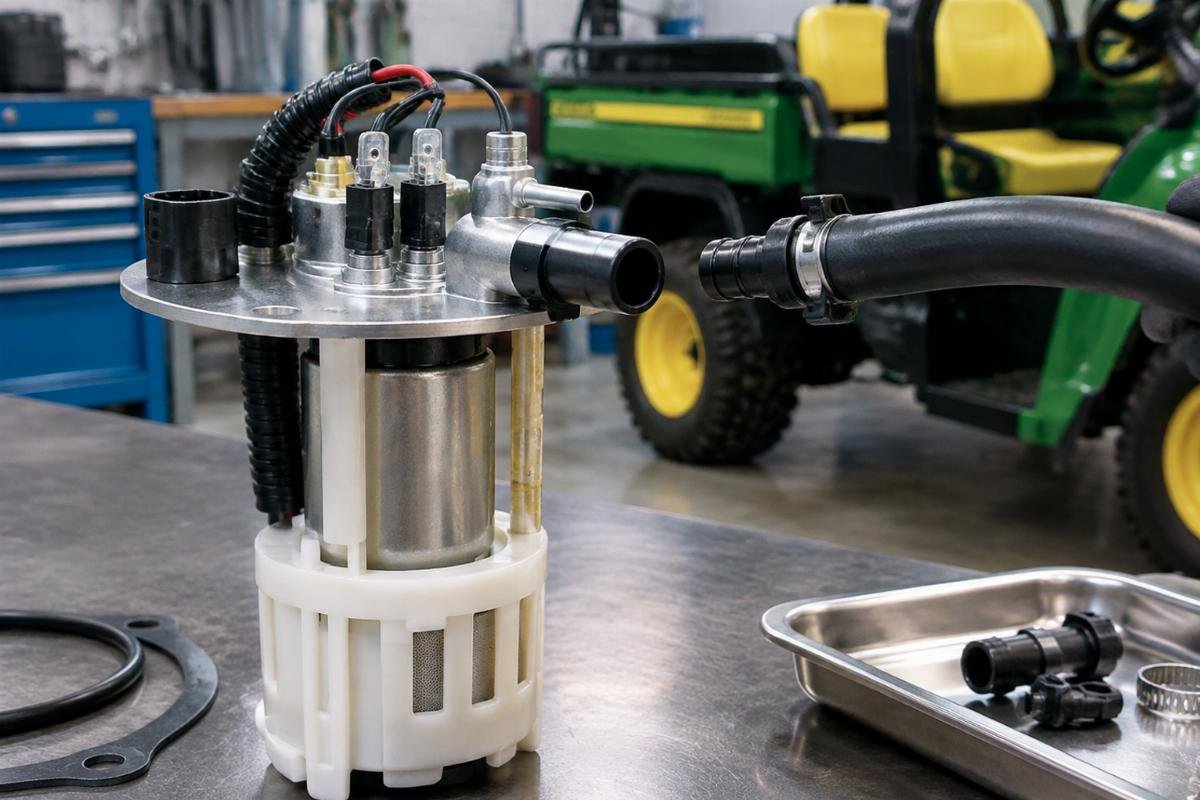
When a repair centre installs a new pump without flushing the tank, replacing the inline filter, or testing the wiring harness voltage under load, the unit faces the same hostile conditions that destroyed its predecessor. The result is a second teardown, a second set of gaskets, and a customer questioning the component quality when the fault was never in the pump. In mixed-fleet operations running Gator, Trail Gator, and HPX units side by side, this pattern repeats across machines until the maintenance protocol shifts to system-level inspection [NEED_CITE: repeated fuel pump failure patterns in utility vehicle fleets].
What We Verify Before Your Order Ships
Our technical team confirms engine serial compatibility against the cross-reference table, including superseded numbers, so the pump matches the specific fuel system variant on your machine. Self-produced and qualified sourced lines carry the same warranty terms, documented on one commercial invoice. Fuel system overhaul kits are assembled with matched filters, seals, and fasteners so the entire fuel circuit is addressed in a single pass. Sample supply is available for fitment confirmation before bulk commitment on fleet-wide orders. The quality inspection record includes flow-pressure validation at 12V DC prior to dispatch.
Documentation & Verification
- Commercial invoice listing pump part number, cross-reference numbers, and fuel system kit contents
- Compatibility sheet confirming engine serial match and superseded reference numbers (reference only)
- Quality inspection record with 12V DC flow-pressure test results and contact resistance check
- Warranty terms covering manufacturing defects for 3–12 months from delivery
- Packing photographs showing terminal protection and port sealing before crate closure
- HS code and customs documentation aligned to fuel pump classification for destination country
Installation & Rebuild Sequence
- Flush tank and replace inline strainer before connecting the AM876265 to prevent debris ingestion
- Verify wiring harness connector voltage under load stays within the 12V DC specification at the terminal pins
- Install new fuel filter and hose clamps downstream to protect injector nozzles from particles released during line disturbance
- Confirm output pressure at the regulator inlet reads within the 3.5–4.5 bar band before final line connection
- Run the engine through a loaded cycle to validate steady fuel delivery and check for air entrainment at return line
- Torque fuel line fittings to specification using the ±0.15 mm dimensional tolerance as the port seating guide
Request a System-Level Quotation
Provide the engine model, serial number, and any known rebuild history so we can confirm which fuel system variant your machine requires and whether a matched overhaul kit — pump, filter, seals, and fasteners together — is the appropriate supply package.
Frequently Asked Questions
Q: What other fuel system components should be replaced at the same time as the pump?
A: The fuel filter, tank strainer, hose clamps, and pressure regulator seals should all be evaluated and typically replaced during the same service event. Running a new pump behind a clogged filter or degraded strainer subjects it to the same abnormal loads that caused the original failure. A matched overhaul kit consolidates these items into one shipment.
Q: Do AM109405 and AM876023 fit the same engines as AM876265?
A: These cross-reference numbers map to earlier or alternate fuel system layouts within overlapping engine families, but pressure specifications and connector orientations may differ. Confirming the engine serial prefix and machine production year is necessary before treating them as direct interchange references. Our team verifies this match before confirming your order.
Q: How do I confirm which fuel system configuration my engine serial requires?
A: Share the engine model and full serial number from the nameplate or stamped block. We cross-check against the fuel system variant table covering port position, terminal layout, and pressure range. If the nameplate is illegible, a photograph of the existing pump and connector is usually sufficient for identification.
Q: Is a matched overhaul kit available with the pump, filter, and seals together?
A: Yes. Overhaul kits can be assembled to include the fuel pump, matched filter, gaskets, hose clamps, and terminal hardware required for a complete fuel circuit refresh on the specific engine variant. Kit contents are confirmed against the engine serial before assembly to avoid missing items that the particular build requires.
Q: What diagnostics should be done on the fuel system before installing the new pump?
A: Test wiring harness voltage under load at the pump connector, inspect the tank interior for sediment or biological growth, check the existing filter for bypass indication, and measure pressure regulator return flow. These steps identify whether the original pump failure was caused by contamination, electrical fault, or regulator malfunction rather than normal wear.