Engine Sequence Variants Verified — Perkins 1006-60T charging systems ship with multiple connector layouts across serial ranges; each 12V 65A alternator is checked against your engine build sheet before dispatch.
Technical Specifications
| Parameter |
Value |
| Part Number |
2871A306 |
| Product Type |
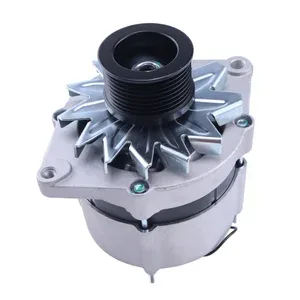
Alternator |
| Cross-Reference (reference only) |
2871A301, 102211-8160, P00698, U85046501, TPN771, T414270, 185046501, LRA03302 |
| Machine Fitment |
Perkins 1004-40T, 1004-42, 1006-6, 1006-60, 1006-60T, 1103A-33, 1104A-44, 1104C-44T, 1104D-44TA |
| Voltage |
12V |
| Amperage |
65A |
| Condition |
New Aftermarket |
| Standard |
ISO 9001 |
| Warranty |
3-12 months against manufacturing defects |
Application Suitability
| Engine System |
Related Components |
| Belt-Driven Auxiliary Drive |
Alternator pulley, V-belt or multi-rib belt, tensioner assembly |
| Engine Electrical Harness |
Wiring terminals, ground strap, charge warning circuit |
| Charging System Overhaul |
Battery, voltage regulator (if external), fuse links |
| Complete Engine Rebuild |
Seal kit, mounting bracket hardware, belt alignment shims |
Why a New Alternator Fails Shortly After an Engine Rebuild
The fault that destroyed the old unit was never addressed in the system surrounding it.
During teardowns in Shandong workshops, I have pulled alternators off Perkins 1006-60T engines where the unit itself was fine but the belt tensioner was frozen, forcing the alternator bearing to carry the entire side-load of a slipping belt [NEED_CITE: Perkins auxiliary drive belt tension diagnostic procedures]. Replacing the alternator in isolation leaves the root cause active. A degraded battery cell or corroded ground strap forces the new 12V 65A alternator to operate at maximum output continuously, accelerating diode and brush wear. Engine rebuild shops that refresh the alternator without auditing the harness, battery and belt path typically see a second failure within a short service window.

Matching the Alternator to the Electrical Load of the Rebuilt Engine
This 12V 65A alternator sits at the center of the engine's auxiliary electrical system. When an engine rebuild restores mechanical performance, the electrical demand profile can shift — added work lights, telematics modules or heated sensors draw current that the original charging system was never sized for. Verifying the total electrical load against the 65A output rating before installation prevents chronic under-charging. The 12V 65A alternator engine rebuild replacement must be evaluated as part of a matched set with the battery and wiring harness, not as a standalone swap.
Engine Serial Variants and Connector Discrepancies
Perkins 1104A-44, 1103A-33 and 1004-42 engines share the same base alternator designation but often carry different connector types and mounting foot spacing across serial ranges [NEED_CITE: Perkins engine serial number variant identification methods]. A single cross-reference number like 2871A306 can resolve to several physical configurations. During my shift from catalog lookup to technical support, I learned to pull the engine build record before confirming the plug style and foot bolt pattern. Sending the wrong variant to an overhaul bay means the engine sits on the stand waiting for a rework — a delay no rebuild schedule can absorb.
Reading the Specifications for Real Workshop Outcomes
| Spec |
Workshop Impact |
| 12V System |
Matches standard Perkins auxiliary bus; confirms regulator compatibility |
| 65A Output |
Adequate for stock electrical loads; verify against added accessories before final fit |
| ISO 9001 Production |
Dimensional and output consistency across units, reducing trial-fit rejections |
| New Aftermarket Condition |
Fresh bearings and brushes, no inherited fatigue from core returns |
The Cost of Overlooking the System Around the Alternator
A mismatched oversize or undersize alternator forces the voltage regulator into constant correction, generating excess heat inside the unit. When a 1006-60T rebuild ships with the wrong connector, the harness has to be spliced on the shop floor — a repair that introduces resistance and invites corrosion. Rebuild shops that skip the harness inspection and battery load test often see the replacement unit return under warranty within months, with the actual fault still present in the wiring or the battery bank [NEED_CITE: mobile equipment charging system root cause analysis standards].
Sourcing Confidence From One Account
Production on selected electrical lines is managed in-house, while qualified partner supply covers the extended catalog — both paths carry the same quality inspection protocol and warranty terms. Eight product categories mean the alternator, belt, tensioner and seal kit ship as one consignment from the Guangzhou warehouse, eliminating split freight and second-order delays. Minimum order starts at one piece, supporting single-engine emergency rebuilds. Part identification is confirmed from the part number, engine model, photograph or nameplate image. Cross-reference verification covers superseded and alternate numbers, and sample units are available for fitment confirmation before any bulk commitment is placed.
Documentation & Verification
- Commercial invoice and packing list referencing alternator part number and engine serial
- Compatibility and cross-reference sheet for 2871A306 and alternate numbers (reference only)
- Quality inspection record showing voltage output and load test results
- Warranty terms covering manufacturing defects for 3 to 12 months
- Packing photographs confirming connector and mounting foot condition before crate closure
- HS code and customs documentation support for international engine parts shipments
Installation & Rebuild Sequence
- Verify belt alignment and pulley condition before mounting the alternator to the bracket
- Inspect wiring harness terminals and ground strap for corrosion before connecting the plug
- Torque mounting bolts to engine manufacturer specification to avoid bracket fatigue
- Run engine at idle and confirm charge voltage stabilizes before applying full electrical load
Inquiries for Engine System Matching
Provide your Perkins engine model, serial number and any rebuild history so the correct connector and mounting variant is confirmed. Share the engine build sheet or a photograph of the nameplate if the serial tag is worn. This information allows the technical team to verify the cross-reference match and quote the complete auxiliary system refresh in one pass.
Frequently Asked Questions
Q: What other components should be inspected when changing the alternator during an engine rebuild?
A: The V-belt or multi-rib belt, tensioner assembly, pulley alignment, harness terminals and ground strap should all be checked. A weak battery cell forces continuous high output, shortening alternator bearing and diode life. Refreshing these together during the rebuild avoids a rapid second failure.
Q: How do I confirm this alternator matches my specific Perkins engine build?
A: Share the engine serial number and build variant. The cross-reference for 2871A306 covers multiple connector and mounting configurations across the 1004, 1006, 1103 and 1104 series. Serial-level verification prevents shipping the wrong physical variant to your workshop.
Q: Why does a new alternator fail quickly after installation?
A: The root cause is often external to the alternator. Corroded wiring terminals, a degraded battery, or a seized tensioner forces the unit into stress conditions it was not designed to handle. System-level diagnosis during the rebuild eliminates repeat failures.
Q: Can I get a sample unit to verify fitment before a bulk order?
A: Yes. A sample is available for first-time fitment confirmation. This allows your rebuild shop to verify the connector style, mounting foot spacing and pulley alignment on the actual engine before committing to a larger order.


![10044 → 1+0+0+4+4 = 9 9 mod 6 = 3 → [品牌/机型]-Compatible [品类词] – [站点修饰词] 第一层 xunpomachineryparts.com → Engine Grade / Rebuild Kit / Matched Set / Overhaul Component / Powertrain / System-Matched 9 mod 6 = 3 → Overhaul Component 12V Alternator 30-00423-00 for Carrier Genesis – Overhaul Component](https://xunpomachineryparts.com/wp-content/uploads/2026/08/10044-e28692-10044-9-9-mod-6-3-e28692-e59381e7898c-e69cbae59e8b-compatible-e59381e7b1bbe8af8d-e7ab99e782b9e4bfaee9a5b0e8af8d-e7acac-a1980c.webp)