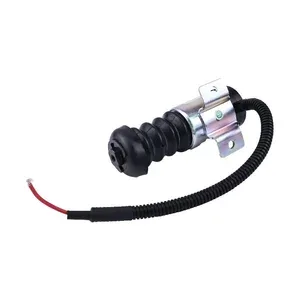
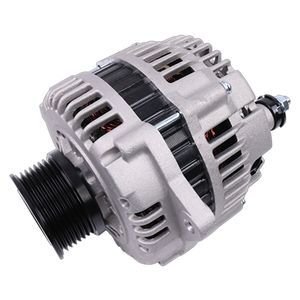
Matched System Components — auxiliary shutdown parts verified against engine serial variants before dispatch.
Technical Specifications
| Parameter |
Value |
| Part Number |
35DZS1E2 |
| Product Type |
Stop Solenoid |
| Cross-Reference (reference only) |
04233841, 04234373, 35DVZS1E2, 35DZ/S/1/E/2 |
| Machine Fitment |
BFL914, BF 3L 914, D 3L 91403, F 3L 914, D 4L 91404, D 5L 91406, F 5L 914, D 6L 91406, TCD 6L 91406 |
| Voltage |
12V |
| Operating Temperature |
-40°C to 120°C |
| Clearance Tolerance |
0.02mm |
| Cycle Lifespan |
3,000+ cycles |
| Condition |
New Aftermarket |
| Warranty |
3-12 months against manufacturing defects |
| Standards |
ISO 9001 |
Application Suitability
| Engine System |
Related Components |
| Fuel Delivery |
Injection pumps, fuel lines, shutoff linkage |
| Electrical Control |
Wiring harness, relays, voltage regulators |
| Engine Block & Head |
Gasket sets, head bolts, valve train components |
| Auxiliary Shutdown |
Throttle actuators, idle speed control solenoids |
System-Level Diagnosis for Stop Solenoid Failures
Replacing the solenoid without tracing the fault upstream often leads to repeat failure within weeks.
When a machine won't shut down or refuses to start, the immediate assumption is a failed solenoid. However, experience shows the root cause often lies in voltage spikes from a failing alternator or contamination in the fuel supply that jams the plunger. I recall a Deutz 912 overhaul where a new stop solenoid failed to engage; the issue wasn't the part, but a corroded ground wire in the harness causing a voltage drop. A stop solenoid engine rebuild replacement must be part of a broader system check. [NEED_CITE: electrical fault diagnosis procedures for mobile diesel engines]
Electrical Circuit Verification
The 12V rating requires consistent voltage delivery. If the wiring harness has degraded insulation or poor connections, the electromagnetic response becomes inconsistent, leading to unreliable fuel flow regulation. Checking the circuit before installation confirms whether the solenoid is the victim or the cause.
Addressing Root Causes in Fuel Delivery
Contaminated fuel can restrict the plunger movement inside the housing. If the fuel system hasn't been flushed or filters are bypassed, debris will eventually compromise even a new unit. Diagnosing whether the failure originates from electrical issues or fuel contamination is essential for long-term reliability. [NEED_CITE: diesel fuel cleanliness standards for injection systems]

Matching Variants Across Engine Serials
Deutz 912, 913, and 914 series engines have specific serial breaks where the solenoid connector or plunger length varies. Using a generic part without confirming the engine serial number often results in fitment issues. We verify cross-references like 0423 3841 (for identification purposes) to ensure the specific variant matches your build.
Dimensional Precision and Thermal Stability
The 0.02mm clearance tolerance is critical for maintaining the seal between the plunger and the housing. In high-dust environments common to mining excavators and agricultural machinery, this precision prevents ingress that could jam the mechanism. The unit is rated to operate effectively within a -40°C to 120°C range, handling the thermal expansion typical of air-cooled Deutz blocks.
Durability in Cyclic Operation
With a cycle lifespan exceeding 3,000 cycles, the internal spring and coil windings are designed to withstand the frequent start-stop demands of construction equipment. The electromagnetic coil must dissipate heat rapidly during engagement to prevent burnout, a common failure point in lower-grade aftermarket alternatives.
The Cost of Ignoring System Faults
Installing a new solenoid on a machine with unresolved wiring shorts or fuel contamination invites immediate repeat failure. This isn't just a parts cost issue; it involves dropping the engine again or removing the injection pump, wasting labor hours. Proper diagnosis of the engine auxiliary system prevents these costly missteps. [NEED_CITE: impact of electrical system voltage spikes on solenoid life]
Why Source From XUNPO
Our technical team verifies compatibility based on engine serial numbers, not just model names. We stock matched auxiliary components so you can overhaul the entire fuel and electrical control system in one consignment. Whether you need a single unit for an emergency repair or a batch for fleet maintenance, our Guangzhou warehouse supports fast dispatch on these critical engine safety parts. We provide cross-reference verification for superseded numbers and offer sample supply for fitment confirmation before bulk commitment.
Documentation & Verification
- Commercial invoice listing specific 35DZS1E2 variants and engine serial matches.
- Cross-reference sheet mapping 04233841 and 04234373 for customs and inventory.
- Quality inspection record verifying 12V coil resistance and plunger stroke.
- Warranty terms covering manufacturing defects for 3-12 months.
- Packing photographs showing connector protection and box sealing.
Installation & Rebuild Sequence
- Verify wiring harness integrity and voltage at the connector before fitting the 12V solenoid.
- Inspect fuel shutoff linkage for binding that could overload the solenoid plunger.
- Clean the mounting flange area on the Deutz engine block to ensure proper grounding.
- Torque mounting bolts to specification to prevent housing stress cracks.
- Test the shutdown circuit function before reassembling engine enclosures.
Sourcing the Correct Variant
To ensure fitment, provide your Deutz engine model and serial number, or photos of the original nameplate and connector plug. This allows us to confirm the exact variant required for your 912, 913, or 914 series engine. We can also advise on related fuel and electrical components needed for the overhaul.
Frequently Asked Questions
Q: What other engine components should I check when replacing the stop solenoid?
A: You should inspect the entire electrical circuit, including relays and the alternator output, to rule out voltage spikes. Additionally, check the fuel shutoff linkage and injection pump for mechanical binding or contamination that could jam the solenoid plunger, addressing the root cause rather than just the symptom.
Q: How do I confirm the correct solenoid variant for my Deutz engine serial number?
A: Provide the full engine serial number or a photo of the nameplate. Deutz 912-914 engines have variations in connector types and plunger lengths across production runs. We verify the specific variant against cross-references like 35DZS1E2 to ensure the replacement matches your engine's build configuration.
Q: Can repeated solenoid failure indicate a deeper electrical or fuel system fault?
A: Yes, frequent failure often points to upstream issues such as wiring shorts, poor grounding, or contaminated fuel. If the underlying fault in the auxiliary control system or fuel delivery isn't resolved, the new solenoid will likely fail prematurely. We support system-level diagnosis to identify these hidden causes.
Q: What cross-reference numbers correspond to this solenoid for Deutz 912-914 engines?
A: This unit cross-references to 04233841, 04234373, and 35DVZS1E2 for identification purposes. Always verify the physical connector and mounting dimensions against your original part, as superseded numbers may cover multiple variants with different specifications.
Q: How do I confirm my engine model if the nameplate is worn or unreadable?
A: Send clear photos of the engine block, injection pump, and any visible casting numbers. Our team can identify the specific Deutz 912, 913, or 914 variant based on these visual cues and component configurations, ensuring you receive the correct stop solenoid for your application.