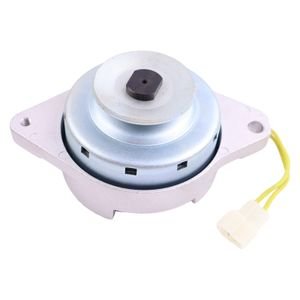
Engine Serial Variants Confirmed — Each 16271-60012 and 16271-60013 solenoid order is verified against your specific Kubota engine serial to prevent variant mismatch during rebuild reassembly.
Technical Specifications
| Parameter |
Value |
| Part Number |
16271-60012 16271-60013 |
| Product Type |
Stop Solenoid |
| Cross-Reference |
16271-60012, 16271-60013, 16271-60010 (reference only) |
| Machine Fitment |
Kubota D905, D1105, V1505, D1105-EB-J-1, D1105-E3B-SBFU-1, D905-EB-BGDE-6, BX2200D, BX23D, BX2660D, BX2670, BX2670-1, BX2680, BX2680-1, BX2680-AU, KX41-2, KX41-2(S SERIES), KX41H, KX61(H), KX61-2, KX61-2(S SERIES), KX71, KX91-2, KX91-2(S SERIES), U-35(KTA), F2400, F2400-BI, FZ2100, FZ2400, ZD1211, ZD1211-3, ZD1211-AU, ZD1211L, ZD1211L-3, ZD1211R, ZD1211R-3, ZD1211RL, ZD1211RL-3, ZD1221L-AU, ZD1221R-AU, ZD1221RL-AU, ZD25F, ZD28F, ZD326P, ZD326S, ZD331LP, ZD331P, ZD331RP-AU, R310(OLD TYPE), R310BH(OLD TYPE), R320S |
| Voltage |
12V |
| Condition |
New Aftermarket |
| Warranty |
3-12 months against manufacturing defects |
| Standards |
ISO 9001 |
Application Suitability
| Engine System |
Related Components |
| Fuel Cutoff & Shutdown Circuit |
Injection pump governor linkage, fuel shutoff relay, ignition switch wiring harness |
| Engine Electrical Auxiliary |
Alternator output verification, battery terminal condition, main fuse integrity |
| Overhaul Reassembly Scope |
Cylinder head gasket set, injector return line seals, valve cover gasket |
| Post-Rebuild Verification |
Injection timing confirmation, governor spring tension, solenoid stroke measurement |
Why a Stop Solenoid Engine Rebuild Replacement Fails Before the First Oil Change
An overlooked auxiliary component can reverse hours of careful engine overhaul work within the first startup cycle.
I once watched a Kubota D1105 come back to the bench three weeks after a complete rebuild. The piston rings, bearings, and valve train were all within tolerance, yet the engine would not shut down cleanly. The fault traced back to a stop solenoid engine rebuild replacement that had been carried over from the previous build without verification. The coil had degraded internally, producing insufficient plunger stroke to fully close the fuel rack. The engine ran, but shutdown required manual intervention at the injection pump — unacceptable for any machine returning to service [NEED_CITE: diesel engine shutdown system verification protocols during overhaul].
When rebuild shops treat auxiliary components as secondary to the rotating assembly, post-rebuild callbacks increase noticeably. The stop solenoid sits at the intersection of the electrical and fuel systems, and its failure mode is rarely catastrophic — it simply fails to actuate fully, leaving the fuel rack partially open.

The Shutdown Circuit's Position in the Overhaul Sequence
The stop solenoid engine rebuild replacement is not an isolated part — it is the final actuator in a shutdown circuit that begins at the ignition key and passes through relays, fuses, and wiring before reaching the solenoid coil. During a Kubota D1105 or V1505 overhaul, this entire circuit must be verified before the engine leaves the bench. A voltage drop anywhere in the harness reduces the current reaching the solenoid, resulting in incomplete plunger travel and unreliable fuel cutoff.
Matching the Solenoid to the Engine's Electrical Reality
A 12V stop solenoid installed on a system that actually delivers reduced voltage due to corroded connections or undersized wiring will experience chronic underperformance. The coil energizes, but the magnetic field lacks sufficient force to pull the plunger through its full stroke against the return spring. This condition produces intermittent shutdown failures that are difficult to diagnose because the solenoid tests fine on the bench with a direct battery connection. Checking system voltage at the solenoid connector with the key in the run position reveals the actual operating condition [NEED_CITE: mobile equipment electrical system voltage drop diagnostic procedures].
Reading the Specification Sheet Correctly
The 12V rating on this stop solenoid engine rebuild replacement indicates nominal system voltage, not a wide tolerance band. Kubota D905, D1105, and V1505 platforms operate within a relatively narrow voltage window during normal charging system operation. The solenoid coil is wound to produce adequate magnetic force within that window. If the machine's alternator output drifts above specification, coil temperature rises and insulation degrades over time. If voltage drops below the lower threshold, plunger stroke shortens and fuel cutoff becomes unreliable. The ISO 9001 manufacturing standard applied here ensures coil winding consistency, but installation-side electrical conditions determine actual service life.
The Hidden Cost of Skipping Auxiliary Verification During Rebuild
Rebuild shops that reuse an existing stop solenoid to save time on an overhaul often face a return visit within weeks. The engine starts and runs correctly, but shutdown requires reaching into the engine bay to manually trip the fuel rack. For equipment operating on construction sites or agricultural fields, this is not a minor inconvenience — it is a safety concern and an operational liability. The cost of a second teardown to install a verified replacement far exceeds the component cost during the initial build [NEED_CITE: engine overhaul auxiliary component replacement best practices].
Why Source This Stop Solenoid Through Our Engine System Channel
Our own production lines and qualified sourced supply operate under identical QC and warranty terms, so you receive consistent quality regardless of which facility produced your batch. Eight product categories mean the stop solenoid ships alongside your gasket sets, seal kits, and fuel system components under one account. Minimum order from one piece lets you order a single unit for a specific rebuild or stock matched sets for common Kubota platforms. Guangzhou warehouse inventory enables fast dispatch on these high-demand auxiliary items. Part identification from engine serial number, photograph, or nameplate image eliminates guesswork when the original solenoid label is missing or illegible. Cross-reference verification covers superseded numbers like 16271-60010 and alternate references to confirm the correct variant for your specific engine build.
Documentation & Verification
- Commercial invoice listing 16271-60012 and 16271-60013 with cross-reference notation
- Part compatibility sheet confirming Kubota engine serial range applicability
- Functional actuation test record verifying plunger stroke and coil resistance
- Warranty terms covering manufacturing defects for 3-12 months
- Packing photographs showing solenoid condition before crate closure
- HS code and customs documentation prepared for international engine parts shipment
Installation & Rebuild Sequence
- Verify fuel rack moves freely before installing the stop solenoid on the injection pump assembly
- Clean the solenoid mounting surface and inspect the O-ring groove for scoring or debris
- Confirm 12V system voltage at the solenoid connector before final wiring connection
- Test solenoid actuation with key-off before completing valve cover and harness reassembly
- Run initial startup and verify clean shutdown within the first operational cycle
- Record solenoid part number and engine serial in the rebuild documentation for future reference
Requesting the Correct Variant for Your Rebuild
Provide the Kubota engine model and serial number from the nameplate, along with any previous overhaul history or known superseded part numbers. If the original solenoid is still on the engine, a photograph of the connector and mounting flange allows our technical team to confirm the correct variant before shipping. For rebuild shops stocking multiple Kubota platforms, share your engine mix so we can identify which solenoid variants cover your most common jobs.
Frequently Asked Questions
Q: How do I confirm which stop solenoid variant matches my Kubota engine serial number?
A: Kubota produced D905, D1105, and V1505 engines across multiple generations with internal component changes that affect solenoid fitment. Provide your engine serial number from the nameplate, and we cross-reference it against production records to identify the correct variant. Photographs of the existing solenoid connector and mounting pattern help confirm the match when the nameplate is unreadable.
Q: What other engine auxiliary components should be inspected during a rebuild?
A: Beyond the stop solenoid, check the fuel shutoff relay, ignition switch contacts, and wiring harness condition for voltage drop. Injection pump governor linkage wear, injector return line seals, and the alternator output specification all affect shutdown system performance. Replacing the stop solenoid without verifying these adjacent components leaves potential failure points unaddressed in the rebuilt engine.
Q: Can the same solenoid part number apply across different Kubota engine generations?
A: Cross-reference numbers like 16271-60012 and 16271-60013 appear across multiple Kubota platforms, but internal variant differences exist between production runs. Engine serial number verification is essential because connector type, plunger length, or mounting flange dimensions may differ even when the base part number matches. Always confirm fitment against your specific serial range before installation.
Q: What system-level faults cause repeated stop solenoid failure after replacement?
A: Chronic voltage drop from corroded connectors or undersized wiring reduces coil current, producing insufficient magnetic force and incomplete plunger stroke. Alternator overvoltage accelerates coil insulation degradation. Fuel contamination reaching the solenoid plunger bore causes sticking. Addressing these root causes during the rebuild prevents premature failure of the replacement stop solenoid engine rebuild replacement unit.