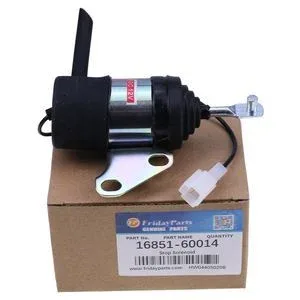
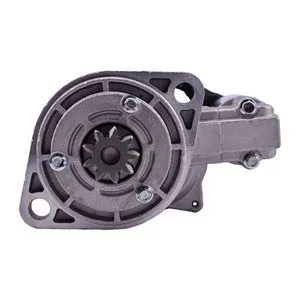
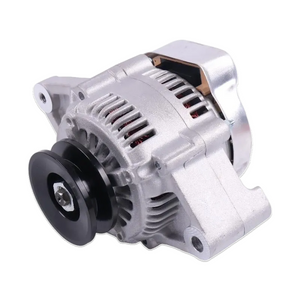
Matched Sets Shipped Together — Stop solenoid verified against D1105 serial variants and dispatched with fuel system gaskets, return springs, and electrical connectors in one consignment.
Technical Specifications
| Parameter |
Value |
| Part Number |
16271-60012, 16271-60013 |
| Product Type |
Stop Solenoid |
| Cross-Reference (reference only) |
16271-60012, 16271-60013, 16271-60010, 1627160012, 1627160013, 1627160010 |
| Machine Fitment |
Kubota D905, D1105, V1505, D1105-EB-J-1, D1105-E3B-SBFU-1, D905-EB-BGDE-6, BX2200D, BX23D, BX2660D, BX2670, BX2670-1, BX2680, BX2680-1, BX2680-AU, KX41-2, KX41-2(S SERIES), KX41H, KX61(H), KX61-2, KX61-2(S SERIES), KX71, KX91-2, KX91-2(S SERIES), U-35(KTA), F2400, F2400-BI, FZ2100, FZ2400, ZD1211, ZD1211-3, ZD1211-AU, ZD1211L, ZD1211L-3, ZD1211R, ZD1211R-3, ZD1211RL, ZD1211RL-3, ZD25F, ZD28F, ZD326P, ZD326S, ZD331LP, ZD331P, ZD331RP-AU, R310(OLD TYPE), R310BH(OLD TYPE), R320S |
| Voltage |
12V |
| Condition |
New Aftermarket |
| Warranty |
3-12 months against manufacturing defects |
| Quality Standard |
ISO 9001 |
Application Suitability
| Engine System |
Related Components |
| Fuel Shutoff Control |
Injection pump shutoff linkage, return spring, fuel shutoff lever |
| Electrical Supply Circuit |
Wiring harness connector, voltage regulator, alternator output terminal |
| Engine Auxiliary |
Fuel filters, fuel line seals, injection pump gasket set |
| Engine Overhaul Package |
Complete gasket kit, piston ring set, bearing shells, valve stem seals |
When a Stop Solenoid Fails, the Root Cause is Rarely the Solenoid Alone
Repeated burnout almost always traces back to voltage irregularities or fuel system backpressure, not the coil itself.
I have pulled stop solenoids off Kubota D1105 engines where the technician replaced the unit three times in one season. The wiring harness connector had corroded pins creating intermittent resistance, and the alternator was pushing voltage spikes during cranking that cooked the coil windings. Replacing the stop solenoid without diagnosing these upstream issues is like treating a symptom while the disease spreads. A proper engine rebuild sequence demands checking circuit resistance, verifying alternator output under load, and inspecting the fuel shutoff linkage for binding before the new solenoid ever gets energized [NEED_CITE: electrical fault diagnosis sequence for diesel auxiliary solenoids].

The Fuel System Context This Solenoid Lives In
This stop solenoid governs fuel cutoff by pulling the injection pump shutoff lever into the no-fuel position during shutdown and releasing it for engine restart. Its stroke length and mounting orientation vary across D905, D1105, and V1505 engine families, and even within a single family, serial number variants can dictate a different return spring tension. Sourcing a stop solenoid engine rebuild component without confirming the exact engine serial range means risking a mismatch that shows up as incomplete shutoff or sluggish restart response.
Wiring Harness and Electrical Health Determine Solenoid Lifespan
The connector mating with this 12V stop solenoid sits in an engine bay environment exposed to heat cycles, vibration, and fuel vapor. Aged harness insulation cracks, pin contacts develop resistance, and what was once a clean signal path becomes a source of voltage drop. Before installation, measuring circuit resistance at the solenoid terminal under both cranking and running conditions reveals whether the electrical supply is stable or whether the new unit will face the same fate as the one it replaces [NEED_CITE: wiring harness degradation patterns in diesel engine bays]. The alternator output and voltage regulator condition should also be verified, as overvoltage during cranking is a documented cause of premature coil burnout.
Voltage, Stroke, and Mounting: Three Parameters That Separate a Fit from a Failure
The 12V rating of this stop solenoid is nominal; actual operating voltage fluctuates between battery resting voltage and alternator peak output during cranking events. The coil winding resistance must fall within a specific range to generate adequate magnetic force for the plunger stroke without drawing excessive current. Stroke length directly determines whether the injection pump shutoff lever reaches full travel — too short and the engine fails to stop, too long and the linkage binds or the return spring cannot overcome the magnetic hold. Mounting orientation differs between horizontal and vertical engine installations, and the bolt pattern spacing must match the engine block casting precisely. These three parameters — voltage tolerance, stroke geometry, and mounting configuration — interact as a system, and any one being wrong cascades into operational failure.
The Cost of Skipping System-Level Diagnosis Before Rebuild
Installing a fresh stop solenoid into a system with uncorrected upstream faults produces predictable outcomes: the new unit fails within weeks, the machine returns to the workshop, and the owner questions the part quality when the real issue was never addressed. I have seen D1105 engines where a clogged fuel filter created backpressure that the shutoff linkage had to fight against, adding mechanical load the solenoid was not designed to handle. The result was a pattern of repeated failures that only resolved when the entire fuel delivery path — filter, lines, pump internals — was inspected and corrected alongside the solenoid replacement [NEED_CITE: fuel system backpressure effects on shutoff mechanism loading].
What Makes Sourcing Here Different for Engine Rebuild Work
Selected stop solenoid lines are produced in-house while the remainder comes from qualified ISO-certified manufacturing partners, both carrying identical quality control and warranty terms. Eight product categories sit under one account, so the fuel filters, gasket sets, and electrical connectors needed alongside this solenoid ship in one consignment rather than arriving from three separate suppliers on three different timelines. The technical team verifies engine serial variant compatibility before dispatch, cross-referencing superseded part numbers to catch mismatches that copied reference tables often carry forward. Single-piece orders are accepted, which matters when an emergency teardown reveals a failed solenoid mid-rebuild. Sample supply is available for fitment confirmation before committing to bulk quantities for fleet overhaul programs.
Documentation & Verification
- Commercial invoice and packing list with stop solenoid part numbers and quantities itemized
- Cross-reference sheet mapping 16271-60012, 16271-60013, and 16271-60010 variants (reference only)
- Dimensional inspection record covering stroke length and bolt pattern spacing
- Warranty terms document specifying coverage scope for the 3-12 month period
- Packing photographs showing solenoid and companion components before crate sealing
- HS code and customs documentation support for international engine parts shipments
Installation & Rebuild Sequence
- Clean the solenoid mounting surface on the engine block before seating the new unit to prevent debris-induced linkage binding
- Torque mounting bolts to specification in sequence, avoiding distortion of the solenoid body casting
- Verify return spring tension matches the engine serial variant before connecting the shutoff linkage
- Measure voltage at the solenoid terminal during cranking to confirm supply stability before first energization
- Cycle the solenoid through multiple stop-start sequences during initial run-in to confirm full stroke travel and reliable shutoff
Requesting a Fitment-Confirmed Quote
Send the engine model, serial number, and any previous rebuild history so the correct stroke and mounting variant can be confirmed against the D905, D1105, or V1505 serial range. Include photos of the existing wiring harness connector if corrosion or damage is visible. For fleet overhaul programs, provide the full engine list so matched solenoid sets and companion fuel system components can be consolidated into one shipment.
Frequently Asked Questions
Q: What other fuel system components should be inspected when replacing the stop solenoid?
A: Inspect the fuel shutoff linkage for binding, the return spring for fatigue, and the injection pump shutoff lever for wear at the contact point. Check the fuel filter condition and fuel line integrity, as backpressure from clogged filtration adds mechanical load the solenoid was not designed to carry. The wiring harness connector and circuit resistance should also be verified before installation.
Q: Why does my new solenoid fail repeatedly — is the root cause elsewhere?
A: Repeated solenoid burnout typically traces to voltage irregularities from the alternator or voltage regulator, or to corrosion and resistance buildup in the wiring harness connector. Measure voltage at the solenoid terminal under cranking and running conditions. If the electrical supply is unstable, the coil windings will degrade regardless of how many replacement units are installed.
Q: Are D905, D1105, and V1505 stop solenoids interchangeable across engine serial variants?
A: They are not universally interchangeable. Stroke length, mounting orientation, and return spring tension vary across serial number ranges even within the same engine family. Confirming the exact engine model and serial number ensures the correct variant is supplied, avoiding incomplete shutoff or mechanical binding after installation.
Q: How do I test the wiring harness before blaming the solenoid for a no-shutdown condition?
A: Disconnect the solenoid connector and measure resistance across the harness pins with a multimeter. Check for continuity, then inspect for corrosion, cracked insulation, or loose crimp connections. Measure voltage at the terminal during a cranking event to detect drops or spikes that indicate harness degradation rather than solenoid failure.
Q: What does the overhaul kit for this engine family include beyond the stop solenoid?
A: A complete overhaul kit typically covers gasket sets, piston rings, bearing shells, valve stem seals, and fuel system seals. The stop solenoid sits within the auxiliary category and is sourced alongside these internal rebuild components so the entire engine refresh ships as one matched consignment under unified warranty terms.