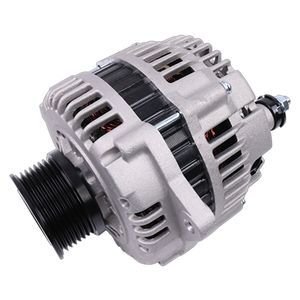
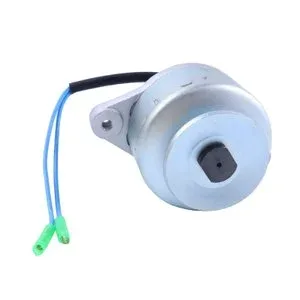
Matched Set Dispatch — alternator and related charging components verified against your Carrier engine serial before shipment.
Technical Specifications
| Parameter |
Value |
| Part Number |
30-00423-00 |
| Product Type |
Alternator |
| Cross-Reference |
30-00423-00, 300042300, 30-00409-64, 300040964, 30-00363-00, 30-00409-02, 30-00409-06, 30-00409-07, 30-00409-08, 30-00409-10, 30-00409-19, 30-00409-65, 30-00423-60, 30-01114-06, 30-01151-00, 30-01114-03, LS17139, 4702601, A1737B, 4702610, 4702611, 4702603, 93105 (reference only) |
| Machine Fitment |
CT2-29TV, CT3-44TV, CT3/69TV, Genesis R70, Genesis R90, TM800, TM900, Extra XT, Ultima XTC, Maxima 1000, Maxima 1200, Maxima 1200 MT, Maxima 1300, Maxima 1300 MT, Maxima 1550, ULTRA XL, XT, XTC, ULTRA, X2 1800, X2 2100, X2 2100A, X2 2100R, X2 2500A, X2 2500R |
| Voltage |
12V |
| Condition |
New Aftermarket |
| Warranty |
3-12 months against manufacturing defects |
| Quality Standard |
ISO 9001 |
Application Suitability
| Engine System |
Related Components |
| Charging & Electrical |
Voltage regulator, battery terminals, wiring harness connectors |
| Engine Auxiliary |
Drive belt, tensioner pulley, alternator mounting bracket |
| Temperature Control Electronics |
Control board power input, relay circuits |
| Preventive Maintenance Circuit |
Battery load condition, ground strap integrity |
Why the Charging System Fails Again After a New Alternator Goes In
Replacing the alternator alone rarely fixes the root cause.
In my years supporting cold chain fleets across high-temperature sites in the Middle East, I have pulled too many 12V Alternator engine rebuild replacement for Carrier CT2-29TV CT3-44TV units off the bench after just weeks of service. The pattern is almost always the same: a new alternator installed without checking the voltage regulator match, battery health, or harness connector corrosion. The unit fires up, passes the initial voltage check, and then the new component burns out under sustained thermal load because the underlying fault in the charging circuit was never addressed [NEED_CITE: transport refrigeration unit charging system diagnostic procedures]. The result is a second machine-down event, a second round of freight costs, and a fleet manager questioning whether the part itself was at fault.

The Charging Circuit as a System, Not a Single Component
This 12V alternator sits within the engine auxiliary charging system of Carrier transport refrigeration units. Its function is to sustain battery charge and maintain stable voltage for the temperature control electronics that govern the entire refrigeration cycle. When output drops or spikes, the downstream effects cascade: control boards reset, sensors throw false faults, and the compressor clutch cycles unpredictably. A proper replacement procedure treats the alternator, voltage regulator, battery, and wiring harness as one interdependent circuit.
Engine Serial Variants and Why the Same Part Number Behaves Differently
Carrier produced multiple builds across the CT2-29TV and CT3-44TV lines, and the wiring harness connector configuration changed between early and late production runs. A unit carrying the base part number may have a different plug geometry or pin assignment depending on the engine serial range [NEED_CITE: Carrier transport refrigeration engine serial variant identification]. This is why cross-reference verification against your specific engine serial is mandatory before confirming the order. The Genesis R70 and R90 series share the same charging architecture but differ in regulator integration, which affects how the alternator interfaces with the control board.
Voltage Output Stability and Thermal Endurance Under Idle Conditions
The rated 12V output must remain within a tight tolerance band to protect sensitive refrigeration control electronics from voltage spikes that corrupt memory or damage solid-state relays. High-grade copper windings inside this alternator support efficient power conversion with minimal resistive heat buildup, which matters during extended idle periods when the engine runs at low RPM but the refrigeration load remains high. Sealed internal compartments prevent moisture and particulate ingress, a requirement for coastal routes and dusty quarry-site logistics where transport refrigeration units operate continuously.
What Happens When the Root Cause Is Ignored
A fleet that replaces alternators reactively without investigating the charging circuit typically sees repeat failures across multiple units within the same season. The cost is not just the component itself but the cumulative cargo risk: a refrigerated trailer losing temperature control in transit compromises the entire load. Wiring harness connectors that show green corrosion or heat-discolored pins will degrade the new alternator's output regulation within weeks [NEED_CITE: electrical connector degradation patterns in heavy-duty vehicle charging systems]. Battery sulfation from chronic undercharging also masks itself as an alternator fault, sending technicians down the wrong diagnostic path.
Sourcing That Accounts for the Full Engine Auxiliary Circuit
We produce selected part lines in our own facility and source the remainder from qualified ISO 9001-certified manufacturing partners, with both carrying the same warranty terms. The eight product categories under one account mean that when you need the alternator, drive belt, and seal kit for the same engine overhaul, they ship as one consignment from our Guangzhou warehouse. Cross-reference verification covers superseded and alternate numbers across Carrier engine generations, and our technical team confirms regulator compatibility and harness connector type before the order is finalized. Sample supply is available for fitment confirmation before you commit to bulk quantities.
Documentation & Verification
- Commercial invoice listing engine model and serial for customs clearance
- Cross-reference sheet matching your Carrier serial to the applicable part number (reference only)
- Load test record showing voltage output stability at rated capacity
- Warranty terms document covering manufacturing defects for the stated period
- Packing photographs confirming unit condition before dispatch
- HS code and customs documentation support for destination-country import
Installation & Rebuild Sequence
- Inspect wiring harness connectors for corrosion or heat damage before installing the alternator
- Verify voltage regulator match to the specific Carrier engine serial variant
- Confirm drive belt tension and pulley alignment to prevent premature bearing wear
- Load-test the battery and check ground strap continuity before energizing the charging circuit
- Run the engine at idle and rated RPM, logging voltage output across the operating range
Request a System-Level Quote
Provide your Carrier engine model, serial number, and any previous rebuild history so we can confirm the correct alternator variant, regulator match, and associated charging circuit components for your specific build.
Frequently Asked Questions
Q: What other engine auxiliary components should be inspected when replacing the alternator?
A: The voltage regulator, battery load condition, wiring harness connectors, and drive belt tensioner should all be evaluated. A fault in any of these will cause the new alternator to fail prematurely. We supply matched components across the engine auxiliary category so the entire charging circuit can be addressed in one order.
Q: How do I confirm which cross-reference number applies to my specific Carrier engine serial?
A: Share your engine model and serial number, and our technical team will verify the applicable part number against the cross-reference table. Carrier produced multiple builds across the CT and Genesis series with connector and regulator differences that affect alternator compatibility.
Q: Can battery or wiring harness issues cause a new alternator to fail prematurely?
A: Yes. A sulfated battery draws excessive current during charging cycles, and corroded harness connectors create resistance that disrupts voltage regulation. Both conditions generate thermal stress inside the alternator. Inspecting these components before installation is standard diagnostic practice.
Q: Is this alternator compatible with both CT2-29TV and CT3-44TV engine variants?
A: The base design is shared, but connector geometry and regulator integration differ across engine serial ranges. We verify fitment against your specific serial number before dispatch to ensure the harness interface and voltage regulation profile match your engine build.
Q: What load test documentation is provided before shipment?
A: Each unit ships with a quality inspection record that includes load test results at rated capacity, confirming voltage output stability within the specified tolerance band. This record accompanies the packing list and is available for your maintenance documentation.