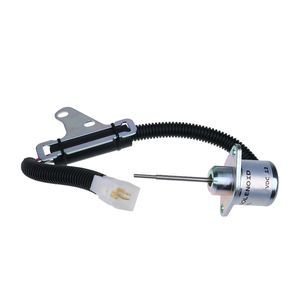
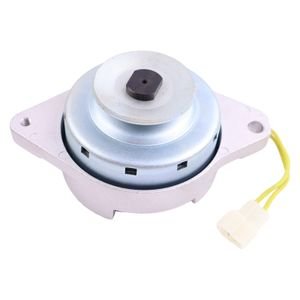
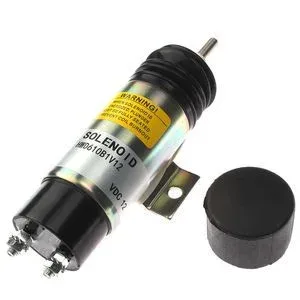
System-Matched Cranking — Bench-tested voltage drop and torque curve confirm this 19269-63013 starter motor meshes correctly with Kubota D902/D950 flywheel assemblies before it leaves our Guangzhou facility.
Technical Specifications
| Parameter |
Value |
| Part Number |
19269-63013 |
| Product Type |
Starter Motor |
| Cross-Reference |
19269-63013 (reference only) |
| Voltage |
12V |
| Pinion Teeth |
9T |
| Machine Fitment |
Kubota KX41-3, KH61, KX41, KX71-3, KX71H, KH41, BX2230D, BX2350D, BX2360, BX24, BX25, R310, D850-B1, BX1500D, BX1800D, BX1830D, BX1850D, BX1860D |
| Engine Compatibility |
Kubota D902, D950, D722E, D902EBH, D902E-BX, D902-E2-BX-2, D902-E3-BX-2, D950BH, D1105BH, V1505E2, V1505BH, V1305, Z602E, D722E-BX |
| Condition |
New Aftermarket |
| Warranty |
3–12 months against manufacturing defects |
| Quality Standard |
ISO 9001 |
Application Suitability
| Engine System |
Related Components |
| Engine Starting & Cranking |
Flywheel ring gear, battery cables, ignition switch, starter relay |
| Auxiliary Electrical Circuit |
Alternator, voltage regulator, wiring harness, terminal lugs |
| Engine Overhaul Package |
Gasket set, piston rings, bearing shells, oil pump, timing gear |
Why a Starter Motor Fails Even After Replacing the Starter Motor
Most repeat cranking failures trace back to voltage drop across corroded terminals, not the starter itself.
When I was pulling apart Kubota D902 engines in Panyu, I saw too many shops swap out the starter motor and hand the machine back to the operator. Three days later, the same excavator was dead again. The new unit was fine—the battery posts were caked in oxide, or the ground strap had a hidden break. Every starter motor engine rebuild replacement job must begin with a full circuit voltage drop test before the old unit even comes off the bell housing [NEED_CITE: voltage drop testing procedures for mobile diesel starting circuits]. Skipping this step means the replacement unit absorbs the same electrical abuse that killed the first one, and the rebuild gets blamed for a wiring fault. A proper system-level diagnosis separates genuine starter failure from circuit-induced burnout, protecting both the engine rebuild outcome and the workshop's reputation.

Starting System Position in the Engine Auxiliary Group
This starter motor belongs to the auxiliary electrical subsystem of the Kubota D902 and D950 powerplants. During a full engine rebuild, the starting system sits alongside the alternator, battery cables, and flywheel ring gear as a matched group. If one element is worn, the others usually follow. Treating them as isolated parts leads to a starter motor engine rebuild replacement that fixes nothing because the adjacent component continues to drag the circuit below cranking threshold.
Voltage Drop and Solenoid Pull-In Calibration
A common failure pattern in aging Kubota excavators involves long cable runs from the battery tray to the starter solenoid. The 12V system must deliver sufficient current through potentially degraded conductors to engage the solenoid fully and spin the armature to cranking speed. I always check pull-in voltage on the bench before shipping—if the solenoid needs nearly full battery voltage to latch, it will hesitate on a machine with marginal cables. This starter motor is calibrated for reliable engagement even when cable resistance has crept up over years of vibration and moisture exposure [NEED_CITE: solenoid pull-in voltage specifications for 12V diesel starting systems]. That calibration matters especially in demolition and agricultural environments where cable insulation cracks and terminal corrosion accelerate.
Reading the Specifications Against Your Rebuild Context
The 9-tooth pinion must mesh cleanly with the Kubota D902/D950 flywheel ring gear. A tooth count mismatch—say, installing an 11-tooth unit from a different platform—will grind the ring gear within the first start attempt. The 12V rating defines the electrical envelope; running this on a 24V system (common in larger excavators) will overheat the armature windings within seconds. The new aftermarket condition means clean commutator surfaces and unwound armature coils, which translates to predictable current draw during cranking. For rebuild shops, matching the pinion engagement depth to the flywheel housing face is critical—too shallow and the pinion skips the ring gear; too deep and it binds during engagement.
The Hidden Cost of Skipping Root-Cause Diagnosis
When a workshop replaces a starter motor without tracing why the original unit failed, the new part inherits the same hostile electrical environment. Armature windings burn out from sustained under-voltage cranking, solenoid contacts pit from repeated partial engagement, and the pinion teeth chip from grinding against a damaged ring gear. These secondary failures show up weeks or months later, and the customer remembers the rebuild shop, not the corroded battery clamp. System-level diagnosis is not optional—it is the difference between a one-time repair and a warranty comeback [NEED_CITE: common causes of repeated starter motor failure in diesel engine applications].
What We Verify Before Every Unit Ships
Every starter motor we send out passes a bench test that records cranking torque and no-load current draw, so you receive measured data, not a sticker promise. Our technical team cross-checks engine serial variants—D902 versus D902-E2-BX-2 versus D902-E3-BX-2—because Kubota changed bell housing bolt patterns across generations. We source and produce under one warranty account, meaning a starter motor and the matching alternator from our eight-category catalogue ship together with identical coverage. Guangzhou warehouse stock covers the fast-failure variants, and we can identify the correct unit from a machine nameplate photograph when the original label is gone. Bulk orders are welcome, but we will ship a single piece for an emergency rebuild without minimum-order friction.
Documentation & Verification
- Commercial invoice listing engine variant and pinion tooth count
- Cross-reference sheet showing interchange numbers (reference only)
- Bench test record with cranking torque and voltage drop readings
- Warranty terms covering manufacturing defects for 3–12 months
- Packing photographs showing anti-static foam and reinforced carton
- HS code guidance for starter motor customs classification
Installation & Rebuild Sequence
- Clean bell housing mating face and inspect flywheel ring gear teeth before mounting the starter motor
- Measure voltage drop from battery positive terminal to starter solenoid stud with engine cranking
- Confirm pinion-to-ring-gear clearance falls within Kubota specification for your engine variant
- Torque mounting bolts to the value printed on the included spec sheet to avoid housing distortion
- Run initial cranking test with a known-good battery to validate engagement and current draw
- Log cranking amperage in the engine service record for future trend monitoring
Request the Right Fit for Your Overhaul
Send us the engine model, serial number, and any rebuild history—particularly whether the flywheel has been resurfaced or replaced. If the nameplate is illegible, a clear photograph of the existing starter motor and the bell housing bolt pattern is enough for our team to confirm the correct variant. We will return a fitment confirmation and a matching component list for the full starting system refresh.
Frequently Asked Questions
Q: What other engine auxiliary components should I inspect when replacing this starter motor?
A: Check the flywheel ring gear for chipped or worn teeth, measure battery cable resistance end-to-end, and test the starter relay contacts for pitting. On Kubota D902 and D950 engines, the ground strap connection to the engine block often corrodes unseen. Replacing the starter motor without addressing these adjacent items leads to repeat cranking failures within weeks.
Q: How do I confirm my exact Kubota engine variant matches this starter motor?
A: Provide the engine serial number and the full model designation—D902, D902-E2-BX-2, or D902-E3-BX-2 each have different bell housing patterns. If the nameplate is worn away, photograph the mounting bolt layout and the existing pinion. Our technical team verifies the match against cross-reference data before confirming fitment.
Q: What causes repeated starter motor failure beyond the unit itself?
A: Corroded battery terminals, undersized or damaged cables, a weak alternator failing to recharge between cranking cycles, and flywheel ring gear damage all transfer stress back to the starter. On Kubota engines in demolition duty, vibration-induced wiring breaks inside the insulation are especially common. Fix the circuit, not just the component.
Q: Does the overhaul kit include starting system components?
A: Standard Kubota engine overhaul kits typically cover gaskets, piston rings, and bearings—not the starter motor or alternator. We supply these auxiliary components separately so your rebuild scope covers the full starting system. Request a matched component list alongside your gasket and bearing order to avoid a second shipment.
Q: How do I identify the correct starter motor when the nameplate is unreadable?
A: Photograph the mounting flange, the pinion gear, and the solenoid connector from multiple angles. Include a shot of the bell housing bolt pattern. Our identification team matches these visual features against known Kubota D902 and D950 variants and returns a confirmed part number with engagement specifications within one working cycle.