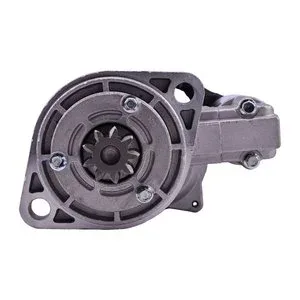
Engine serial variants confirmed — this starter motor ships with verified mounting and tooth data for each listed Bobcat engine build.
Technical Specifications
| Parameter |
Value |
| Product Type |
Starter Motor |
| Voltage |
12V |
| Power |
2.2KW |
| Rotation |
CW |
| Teeth |
10 |
| Condition |
New Aftermarket |
| Warranty |
3-12 months |
| Cross-Reference |
6670727, SND0408, NDAS228000-6921, 228000-6920, 410-52186, 18447N (reference only) |
| Machine Fitment |
Bobcat Excavator 325, 328, 329, 331, 334, 335, 337, 341, E25, E26, E32, E32i, E35, E35i, E42, E45, E50, E55; Bobcat Loader S100 |
Application Suitability
| Engine System |
Related Components |
| Starting Circuit |
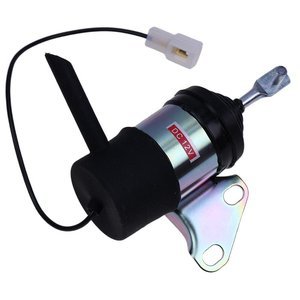
Battery cables, ignition switch, stop solenoid, ground strap |
| Charging System |
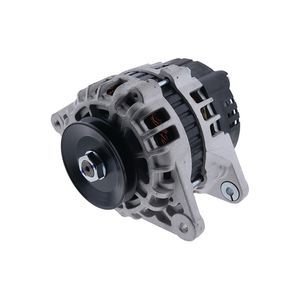
Alternator, voltage regulator, wiring harness |
| Flywheel Assembly |
Ring gear, bell housing, mounting plate |
| Fuel Shutoff |
Stop solenoid, relay, associated wiring |
Diagnosing Repeat Starter Failure Before the Next Engine Rebuild
The replacement starter burns out again because the system fault that killed the first one was never corrected.
A starter motor is the final component in an engine electrical system that includes battery cables, solenoids, relays, and the flywheel ring gear. When a Starter Motor engine rebuild replacement is installed without inspecting these adjacent components, the underlying fault — corroded terminals causing voltage drop, a failing relay forcing excessive cranking, or worn ring gear teeth creating engagement shock — transfers directly to the new unit [NEED_CITE: engine electrical system diagnostic procedures for compact diesel equipment]. I have seen a Bobcat E35 return to a rebuild bay within weeks because a 10-tooth starter was fitted where a 9-tooth variant was needed, damaging the crankshaft end face and the new ring gear simultaneously. The cost of that single oversight exceeded the combined price of every electrical auxiliary component on that engine.

The Starting System and Its Neighbors
This starter motor operates within the engine electrical auxiliary system, and its service life depends directly on the condition of surrounding components. Battery cable integrity, ignition switch contact resistance, stop solenoid function, and alternator output all influence how hard this unit must work during each cranking cycle. A Starter Motor engine rebuild replacement addresses only the symptom when these adjacent parts carry hidden degradation from the same operating environment.
Engine Serial Variants Across Bobcat Compact Equipment
The E-series and 300-series Bobcat engines carry different starter mounting configurations and flywheel ring gear tooth counts across production runs. An engine serial number verification prevents misfit, as the same base machine model may have received different engine builds depending on year and market. Confirming the exact variant before ordering ensures the 10-tooth CW drive gear engages correctly with the specific ring gear fitted to that engine block [NEED_CITE: Bobcat engine build sheet variant identification].
Reading the Specifications Against Your Rebuild Context
The 12V electrical system requires this starter to draw substantial current during cranking, and the 2.2KW rating defines its torque output at the pinion gear. Ten teeth on the drive gear must match the flywheel ring gear precisely — even a single-tooth discrepancy creates engagement shock that fractures pinion edges and accelerates ring gear wear. Clockwise rotation is fixed by the engine design, and any reversal indicates a wiring fault in the solenoid circuit rather than a component issue.
What Happens When the Root Cause Is Skipped
Fitting a new starter without tracing premature failure back through the electrical system leads to repeat teardowns. Voltage drop across a corroded battery terminal forces the starter to operate below its designed torque curve, causing prolonged cranking that overheats the armature. A weak ground strap produces the same effect through the return path. Each undiagnosed fault shortens the service life of every subsequent Starter Motor engine rebuild replacement installed into that circuit [NEED_CITE: voltage drop effects on starter motor service life in mobile diesel applications].
Sourcing Engine Electrical Components Together
Selected part lines are produced in our own facility alongside qualified sourced supply, both carrying identical QC and warranty terms. Eight categories under one account means this starter ships alongside alternators, solenoids, and wiring components as a single consignment. One-piece minimum applies, so a single emergency replacement moves as readily as a fleet overhaul order. Part identification proceeds from number, machine model, photograph, or nameplate image. Cross-reference verification covers superseded and alternate numbers before dispatch. Sample supply is available for fitment confirmation before bulk commitment, and the technical team confirms compatibility and grade against your engine serial.
Documentation & Verification
- Commercial invoice listing part number 6670727 with full machine compatibility notation
- Cross-reference sheet mapping SND0408 and NDAS228000-6921 variants marked reference only
- Pre-shipment no-load and loaded cranking test record for each unit
- Warranty terms covering manufacturing defects under normal starting duty cycles
- Dimensional check on mounting bolt pattern and pinion tooth count before packing
- HS code and customs documentation support for international engine parts shipments
Installation & Rebuild Sequence
- Inspect flywheel ring gear teeth for wear or damage before mounting the new starter
- Clean battery cable terminals and verify ground strap continuity to prevent voltage drop
- Confirm mounting bolt torque values match the engine service manual specification
- Test solenoid engagement and stop solenoid function before final assembly closure
- Record initial cranking voltage and current draw during first engine start verification
Requesting the Correct Configuration
Provide the engine model, serial number, and any previous rebuild history so the correct starter variant can be confirmed against the build sheet. If the nameplate is worn or painted over, a photograph of the existing starter mounting area and drive gear allows identification. Include details of any engine swap or prior electrical fault diagnosis to ensure the complete system context is understood.
Frequently Asked Questions
Q: What other engine electrical components should I inspect when replacing this starter motor?
A: Battery cables, ground straps, ignition switch contacts, stop solenoid, and alternator output should all be verified during starter replacement. Corroded terminals or weak grounds create voltage drop that overloads any new starter. Inspect the flywheel ring gear teeth for engagement damage, as worn teeth transmit shock loads back into the starter drive gear and shorten its service life.
Q: My Bobcat engine serial differs from the standard range — does this starter still fit?
A: Engine serial variants across the E-series and 300-series may carry different mounting configurations and ring gear tooth counts. Provide your exact engine serial number so we can verify the 10-tooth CW configuration matches your specific build. Previous engine swaps may have introduced a different block, making serial number confirmation essential.
Q: The previous starter failed prematurely — how do I diagnose the root cause before installing a new one?
A: Check for voltage drop across battery terminals and ground connections under cranking load. Test the solenoid relay for proper engagement timing, and inspect the flywheel ring gear for worn or broken teeth. Excessive cranking duration often traces to fuel system faults rather than electrical ones, so verify injection timing and compression before concluding the starter was at fault.
Q: Can I order matched alternator and stop solenoid together for a complete engine electrical refresh?
A: Yes, alternators and stop solenoids compatible with the same Bobcat engine variants ship alongside this starter in a single consignment. Supplying matched electrical components together ensures consistent quality standards and eliminates split freight costs. Provide your machine model and engine serial for a consolidated compatibility check across all ordered items.