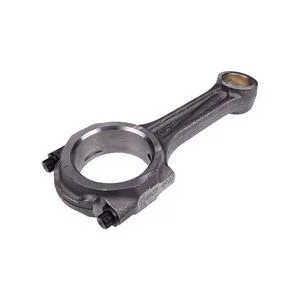
Matched Tolerances — Every wedge, holder, and alignment pin in this 3.6L valvetrain set is verified against the same batch tolerance sheet before dispatch.
Technical Specifications
| Parameter |
Value |
| Part Number |
10200A 10202 10369A |
| Product Type |
Timing Tool Kit |
| Cross-Reference |
10200A, 10202, 10369A, HT-10200A-201901 (reference only) |
| Machine Fitment |
Caravan (2011+), Journey (2011+), Ram 1500 DS (2011-2018), Charger (2011+), Challenger (2011+), Durango (2011-2015), Ram Promaster (2014+), Town & Country (2011+), 300 (2011+), 300C (2011+), Grand Cherokee (2011-2015), Wrangler (2013-2017), Cherokee (2014+) |
| Engine Compatibility |
3.6L Engines |
| Kit Contents |
10200A tension loosening wedges, 10202 phaser holder, 10369A alignment tool |
| Condition |
New Aftermarket |
| Warranty |
3–12 months against manufacturing defects |
| Standards |
ISO 9001 |
Application Suitability
| Engine System |
Related Components |
| Camshaft and phaser service |
Phaser lock plates, OCV gaskets, timing cover seals |
| Timing chain tension adjustment |
Chain guides, tensioner arms, sprocket wear sleeves |
| Oil control valve replacement |
OCV screens, valve cover gaskets, spark plug tube seals |
| Top-end overhaul sequencing |
Head gasket sets, head bolts, intake manifold gaskets |
Why Rebuilds Fail When Tooling Tolerances Stack Up
Mismatched tooling introduces angular error that propagates through the entire valvetrain.
When a 3.6L engine comes in for a timing chain service, the rebuild often involves components sourced across multiple orders. If the phaser holder does not lock the camshaft at the correct angular position, the valve timing drifts by degrees that are invisible until the engine fires. I have seen rebuild shops spend days diagnosing a rough idle that traced back to a holder that allowed slight rotation during OCV torque application [NEED_CITE: angular tolerance requirements for camshaft phaser alignment on V6 engines]. The cost is not the tool — it is the teardown that follows.

Positioning This Kit Within the Valvetrain Overhaul Sequence
This Camshaft Phaser Timing Tool Kit engine rebuild set addresses the three critical moments in a 3.6L top-end job where precision matters most. The tension wedges control chain slack during disassembly so that sprocket teeth and guide rails are not stressed by uncontrolled movement. The phaser holder locks rotational position while the oil control valve is torqued, preventing shear loads on phaser internals. The alignment tool sets camshaft angular position within the tolerance window the ECU expects at startup. Without all three functions covered, a rebuild shop is relying on improvised methods that introduce variables into an already complex procedure.
Engine Serial Variants and Tool Compatibility Across Model Years
The 3.6L platform spans more than a decade of production across Chrysler, Dodge, and Jeep applications, and not every engine build uses the same phaser geometry. Early 2011 units in the Charger and 300 may carry different phaser lock configurations compared to the revised versions found in 2014+ Cherokee and Promaster applications. The cross-reference numbers HT-10200A-201901 and related designations (for identification purposes) reflect revisions made to address these production changes. Confirming your engine serial range against the tool variant before starting the job avoids the situation where the alignment tool seats but does not fully engage the camshaft locating feature [NEED_CITE: 3.6L Pentastar engine serial variant differences across model years]. This is particularly important for fleet operators running mixed-year vehicles where a single tool set must cover multiple engine builds.
Reading the Specification Sheet for Workshop Use
The kit contents — tension loosening wedges, phaser holder, and alignment tool — each serve a distinct mechanical function that maps to a specific step in the service procedure. The wedges are dimensioned to fit between chain and guide without deforming the guide rail material, which is typically a nylon-faced steel construction sensitive to point loading. The phaser holder engages the phaser body at designated flats, transferring reaction torque away from the phaser's internal vane mechanism during fastener tightening. The alignment tool interfaces with the camshaft rear locating feature, and its fit must be snug without forcing — any binding indicates a serial variant mismatch rather than a tool defect. ISO 9001 manufacturing standards ensure these dimensional relationships are held across production batches.
The Hidden Cost of Improvised Timing Methods
Using generic wedges or improvised holding fixtures on a 3.6L phaser system creates failure modes that do not appear until the engine has accumulated operating hours. A wedge that is slightly too thick can pre-load the chain guide, accelerating wear at the nylon contact face. A holder that does not fully engage the phaser body allows micro-rotation during torque application, and the resulting timing error may fall within the ECU's adaptation range at idle but cause noticeable misfire under load. Rebuild shops that have moved from improvised methods to dedicated tooling report fewer comeback jobs, though the improvement is difficult to isolate from other process changes [NEED_CITE: valvetrain comeback rates correlated with dedicated versus improvised timing tooling]. The real expense is the second teardown, not the first.
Sourcing Engine Systems From a Single Account
This kit ships under the same warranty terms as our internally produced engine components, whether the line is manufactured in our own facility or sourced from a qualified partner. The eight engine sub-system categories — from belt drive through emission and exhaust — mean a rebuild shop can add matched gasket sets, seal kits, and tensioners to the same order without opening additional supplier accounts. Part identification is available from engine serial number, machine model, or a photograph of the existing tool or nameplate. Cross-reference verification covers superseded numbers and alternate designations, and sample supply is available for fitment confirmation before a shop commits to bulk stocking. The technical team confirms compatibility and grade against the specific engine build on the bench.
Documentation & Verification
- Commercial invoice listing all three tool components with individual line descriptions
- Cross-reference sheet mapping 10200A, 10202, 10369A to alternate designations (reference only)
- Dimensional inspection record covering wedge thickness, holder engagement depth, alignment pin diameter
- Warranty terms document specifying coverage period and manufacturing defect scope
- Packing photographs showing kit contents verified against order before crate closure
- HS code classification support for customs clearance in destination market
Installation & Rebuild Sequence
- Position tension wedges between chain and guide before releasing tensioner to prevent guide rail damage
- Engage phaser holder on designated flats before applying torque to oil control valve fastener
- Verify alignment tool seats fully in camshaft rear feature without binding before proceeding
- Clean all tool contact surfaces before storage to prevent transferred contamination on next use
- Confirm timing marks align after tool removal and before installing timing cover
Requesting a Compatibility Check
Provide the engine serial number and model year from the vehicle or equipment nameplate so we can confirm the tool variant matches your specific 3.6L build. If the existing tool is available, a photograph of any markings or wear patterns helps us cross-reference against superseded numbers. For rebuild shops stocking multiple variants, share the range of engine serials you typically service and we will identify which kit configurations cover your workload.
Frequently Asked Questions
Q: What other components should be replaced alongside a timing chain service on the 3.6L?
A: A complete top-end job typically includes phaser lock plates, OCV gaskets, timing cover seals, and chain guides if wear is visible. Head gasket sets and head bolts are added when the cylinder head is removed. Sourcing these from the same supplier account consolidates dispatch and ensures all components arrive before the engine is reassembled.
Q: Does this kit cover both pre-2012 and 2012+ engine variants?
A: The cross-reference designations cover revisions made across the 3.6L production run, but specific engine serial ranges should be confirmed before use. Early and late phaser configurations differ in lock geometry. Provide your engine serial number and we will verify the tool variant matches your build.
Q: How do I confirm my engine serial matches the tool compatibility range?
A: The engine serial is typically stamped on the block or visible on the vehicle nameplate. Share this number along with the model year and application — Charger, Grand Cherokee, Ram 1500, or other — and we will cross-reference against the tool compatibility matrix before dispatch.
Q: Can I source the matching overhaul gasket set and seals from the same supplier?
A: Yes. Gasket sets, seal kits, tensioners, and related valvetrain components are available under the same account and warranty terms. Consolidating the order means one commercial invoice, one packing list, and one dispatch — reducing the risk of partial arrivals delaying the rebuild.
Q: What is the warranty if a tool component fails during a rebuild procedure?
A: The kit carries a warranty of 3 to 12 months against manufacturing defects. If a wedge, holder, or alignment tool fails under normal use within the warranty period, provide photographs of the failure and the engine serial being serviced so we can process the claim and arrange replacement.