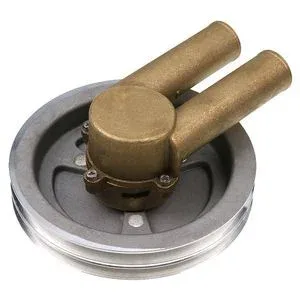
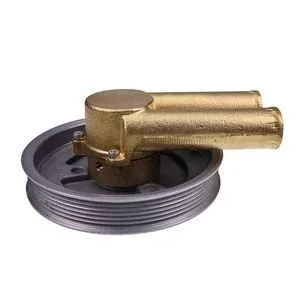
Engine Serial Variants Confirmed — each D2.9, TD2.9, or TCD2.9 water pump cross-referenced against serial-specific block castings before dispatch.
Technical Specifications
| Parameter |
Value |
| Product Type |
Water Pump |
| Part Number |
4135550, 4137490, 4132077, 4134280, 4137233, 4138560, 4138700, 4162751, 4162741 |
| Cross-Reference |
4135550, 4137490, 4132077, 4134280, 4137233, 4138560, 4138700, 4162751, 4162741 (reference only) |
| Machine Fitment |
D2.9, TD2.9, TD2.9 4L, D2.9 4L, D2-9L04, TCD2-9L04, TCD2-9L4, TD2-9L04, TD2-9L4, D2-9L4, TCD 2.9L4 |
| Brand Compatibility |
Deutz |
| Impeller Material |
High-silicon aluminum alloy (A-Si12Cu1Fe) |
| Mechanical Seal |
Dual-carbon/ceramic faces |
| Housing Dimension Tolerance |
±0.05 mm |
| Minimum Coolant Throughput |
18 L/min at rated engine speed |
| Flow Rate Verification |
2,800 rpm |
| Pressure Integrity Test |
1.2 bar |
| Mechanical Seal Axial Runout Tolerance |
0.5 mm |
| Condition |
New Aftermarket |
| Warranty |
3–12 months against manufacturing defects |
| Minimum Order Quantity |
1 piece |
| Standards |
ISO 9001, DIN 72000 |
Application Suitability
| Engine System |
Related Components |
| Primary Coolant Circulation |
Thermostat, radiator hoses, coolant expansion tank, radiator cap |
| Cylinder Head Cooling |
Head gasket set, cylinder head bolts, coolant passage plugs |
| Emission & Exhaust Cooling |
EGR cooler (if equipped on TCD variants), turbo coolant lines |
| Belt Drive & Ancillary |
Serpentine belt, belt tensioner, pulley alignment check |
Overhaul Misses That Bring the Engine Back to the Bench
A water pump failure on a Deutz D2.9 / TD2.9 / TCD2.9 platform is rarely an isolated event — it is the visible endpoint of a system problem. Replace the pump without tracing the root cause and the next failure is already scheduled.
I once watched a TCD2.9 come back with a cracked liner two weeks after a pump swap because the workshop flushed the radiator but ignored blocked coolant galleries in the block. The new water pump for Deutz D2.9 TD2.9 TCD2.9 engine rebuild applications was pumping hard against a restricted passage, spiking localised hotspots until the liner gave way [NEED_CITE: engine coolant gallery blockage diagnostics for industrial diesel blocks].
When an engine arrives at a rebuild shop, the teardown should map what killed the old pump — cavitation pitting on the impeller, seal face scoring, bearing play — and treat those clues as system indicators, not cosmetic notes. Skipping this step is how a perfectly good Water Pump for Deutz D2.9 TD2.9 TCD2.9 engine rebuild job turns into a warranty return.
Where the Pump Sits in the Cooling Loop
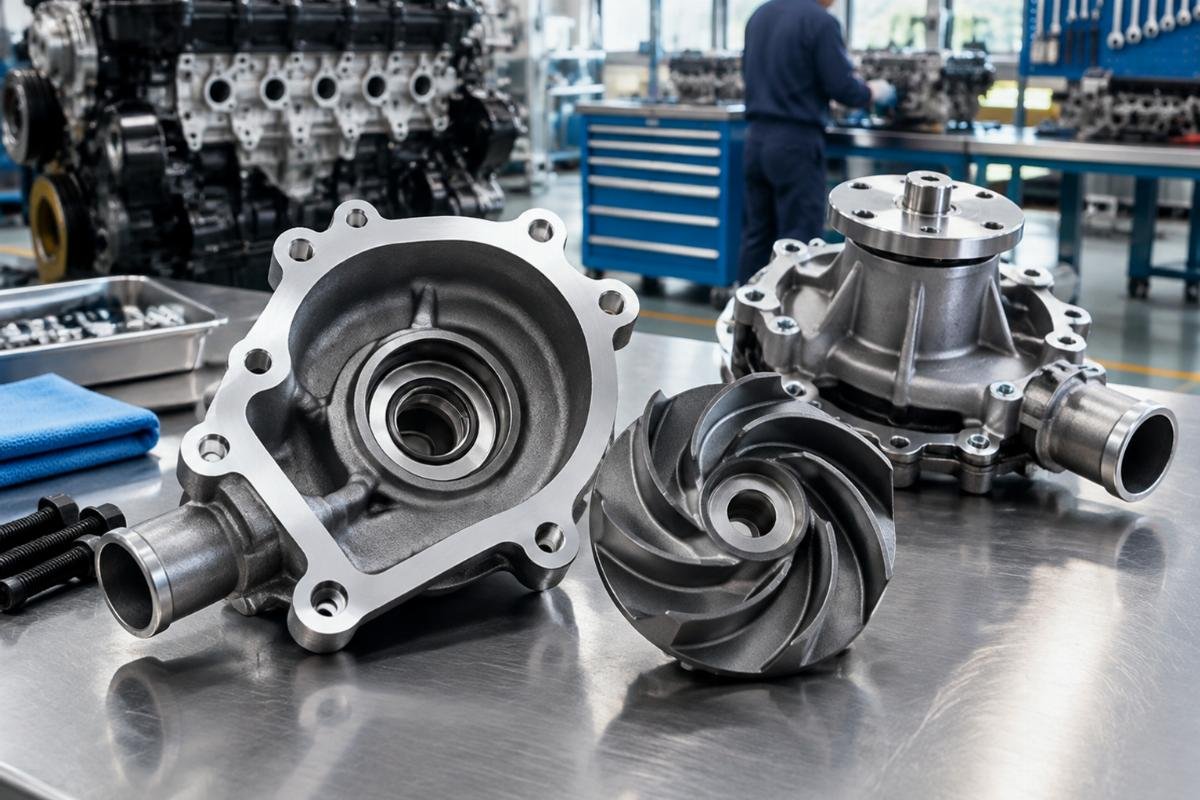
This water pump sits at the centre of a closed-loop system that also includes the thermostat, radiator, cylinder head passages, and, on turbocharged TD2.9 and TCD2.9 variants, the turbocharger coolant feed. If any upstream or downstream restriction exists, the pump works against abnormal backpressure, accelerating seal wear and impeller cavitation. A proper engine system review looks at all of these together, not at the pump in isolation.
Serial Variants and Rebuild History Matter
Deutz D2.9, TD2.9, and TCD2.9 share a family architecture but differ in block casting, coolant port layout, and belt drive geometry. The TCD2.9 in particular carries additional cooling demands from its common-rail fuel system and, where fitted, an EGR cooler. Previous rebuilds complicate matters further — an oversized bore from a prior regrind can shift thermal loading patterns, meaning the cooling system must perform at the upper end of its envelope [NEED_CITE: thermal loading changes after cylinder rebore in compact diesel engines].
Reading the Specification Sheet
The high-silicon aluminum alloy impeller, cast from A-Si12Cu1Fe stock, resists cavitation erosion far better than standard aluminum. Cavitation is the silent killer in compact diesel cooling systems: at 2,800 rpm the impeller tips see rapid local pressure drops that can tear metal away pit by pit. The silicon content stabilises the alloy under continuous thermal cycling.
The dual-carbon/ceramic mechanical seal addresses the second most common failure path. Ceramic-on-carbon faces run with minimal leakage while tolerating the minor shaft deflection that accumulates over service hours. The 0.5 mm axial runout tolerance is generous enough to absorb belt-tension-induced shaft movement without breaking the seal interface.
Housing machining held to ±0.05 mm means the pump bolts directly to the block face without shimming or adapter plates. This tolerance also ensures that the internal volute passage aligns correctly with the block coolant inlet, maintaining the specified 18 L/min minimum throughput at rated speed. A misaligned volute creates a dead zone where coolant stagnates and local boiling begins.
The 1.2 bar pressure integrity test verifies that the assembled pump, including seal and housing joints, holds well above normal system operating pressure. This catches casting porosity or seal seating errors before the pump ever leaves the bench.
The Cost of Skipping System-Level Checks
Choosing the wrong variant based on a copied cross-reference table leads to a housing that bolts on but has the inlet port clocked wrong. The belt alignment will look fine; the coolant flow will not. The engine runs warm under light load and overheats under full duty. The pump gets pulled, the block gets re-opened, and the rebuild clock resets [NEED_CITE: consequences of incorrect water pump variant fitment on engine thermal management].
Equally costly is installing a new pump into a system where the thermostat is stuck half-closed or the radiator has internal scale buildup. The new pump takes the blame when temperatures climb, but the real fault was never addressed.
Why Rebuild Shops Source This Water Pump Here
Selected pump lines are produced in our own facility, with the remainder sourced from qualified ISO-certified manufacturing partners — both carry the same quality control standards and warranty terms. A complete overhaul order covering pistons, bearings, gasket sets, and this water pump ships under one account with one warranty, avoiding the mismatched lead times that strand an engine on the stand.
Part identification works from a part number, a machine model, or a photograph of the nameplate when the stamped numbers are worn or painted over. Cross-reference verification covers superseded numbers across engine generations, so an older reference still resolves to the correct current variant. Sample supply is available for fitment confirmation before a rebuild shop commits to bulk stocking for a Deutz-powered fleet.
Documentation & Verification
- Commercial invoice and packing list itemising each cross-reference number (reference only) and quantity
- Part compatibility sheet mapping D2.9, TD2.9, and TCD2.9 serial ranges to correct pump variant
- Quality inspection record showing flow rate at 2,800 rpm and 1.2 bar pressure integrity test results
- Warranty terms covering manufacturing defects across the stated 3–12 month period
- Packing photographs confirming housing and impeller condition at point of dispatch
- HS code and customs documentation support for international overhaul kit shipments
Installation & Rebuild Sequence
- Flush all block coolant galleries and verify flow before bolting on the new pump to prevent immediate restriction.
- Torque housing bolts to block specification in sequence, confirming the ±0.05 mm housing face seats without gasket gap.
- Inspect belt tensioner and serpentine belt; a worn tensioner loads the pump shaft beyond the 0.5 mm runout tolerance.
- Check thermostat operation and radiator condition as part of the same cooling system restoration — never assume they are fine.
- Fill with specified coolant, bleed air from the system, and run a staged warm-up to verify the seal seats correctly under thermal expansion.
- Record initial operating temperatures at idle and rated rpm to establish a baseline for future diagnostics.
Request a Fitment Verification
Provide your Deutz engine model, serial number, and any details of previous rebuilds or block modifications. If the nameplate is unreadable, send a photograph of the old pump housing and the block mating face. Our technical team will confirm which cross-reference number applies to your specific engine build and flag any adjacent cooling components that should be inspected or replaced during the same teardown.
Frequently Asked Questions
Q: What other cooling system components should I replace alongside the water pump during an overhaul?
A: The thermostat, all coolant hoses, the radiator cap, and the serpentine belt should be inspected or replaced as part of the same cooling system refresh. On TCD2.9 variants with an EGR cooler, include the turbo coolant feed lines. A partial refresh leaves ageing components that can trigger a second teardown within months.
Q: How do I know which cross-reference number applies to my engine serial?
A: Send the engine serial number and model designation — D2.9, TD2.9, or TCD2.9 — along with any previous rebuild records. We verify the correct pump variant against the block casting and port layout for that specific serial range, accounting for superseded numbers that may appear in older manuals.
Q: My engine was previously rebuilt — does that affect which pump variant I need?
A: Yes, potentially. A prior rebore, head resurfacing, or block repair can alter thermal loading and coolant passage geometry. Share the rebuild details so we can confirm the pump variant matches the engine's current configuration rather than its original factory specification.
Q: What typically causes the original water pump to fail, and how do I prevent it happening again?
A: Common root causes include blocked coolant galleries, a stuck thermostat, incorrect coolant mixture, and excessive belt tension loading the pump shaft. Address the cause, not just the symptom — a new pump installed into a restricted system will fail prematurely under the same abnormal operating conditions.
Q: Can I order a sample before committing to bulk stock for my rebuild shop?
A: Sample supply is available for fitment confirmation. Install the sample on an engine to verify bolt pattern, port alignment, and belt geometry before placing a larger order. This eliminates the risk of stocking a variant that does not match your most common customer engine builds.