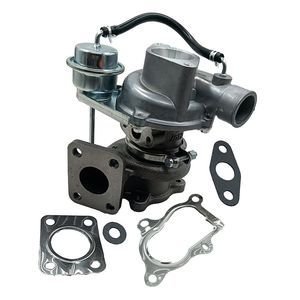
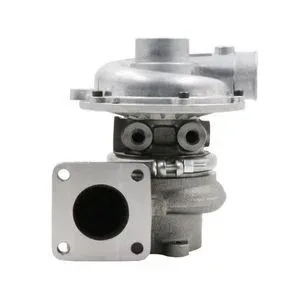
Engine serial variants confirmed — flange bolt pattern and exhaust manifold mating surfaces checked against V2203-M-E4 platform build records before dispatch.
Technical Specifications
| Parameter |
Value |
| Part Number |
1J716-17010 |
| Product Type |
Turbocharger |
| Cross-Reference |
1J716-17010 (reference only), 1J71617010 (reference only) |
| Machine Fitment |
Kubota SVL65-2, SVL65-2C |
| Turbine Housing Material |
Ni-Resist D5S ductile iron |
| Compressor Wheel Material |
AL-31 forged aluminum |
| Assembly State |
Complete assembly with dual ceramic ball bearings, pre-lubricated with synthetic PAO-based grease |
| Maximum Boost Pressure |
1.2 bar |
| Turbine Shaft Runout |
±0.02 mm |
| Compressor Wheel Balance Grade |
G2.5 per ISO 1940-1 |
| Grease Temperature Rating |
150°C continuous operation |
| Sealing Surface Roughness |
Ra ≤ 0.8 μm (ISO 4287) |
| Flange Bolt Pattern Tolerance |
±0.05 mm |
| Condition |
New Aftermarket |
| MOQ |
1 piece |
| Warranty |
6 months against manufacturing defects |
Application Suitability
| Engine System |
Related Components |
| Intake and forced induction |
Air filter assembly, intake manifold gaskets, boost pressure sensor |
| Lubrication feed and return |
Oil feed line, oil return hose, crankcase breather |
| Exhaust and emission routing |
Exhaust manifold, EGR valve and cooler, diesel particulate filter |
| Intercooling and charge air |
Intercooler core, charge air hoses, clamps |
Why Repeat Turbocharger Failure Happens After a Fresh Swap
A turbo failure on the V2203-M-E4 platform is rarely isolated — the root cause usually lives upstream or downstream of the unit itself.
I have watched Kubota SVL65-2 loaders come back with black smoke weeks after a clean Turbocharger engine rebuild replacement for Kubota SVL65-2 was fitted. The new unit was not at fault. Oil coking inside the feed line starved the bearing within hours of startup, and carbon buildup in the exhaust side created back-pressure that pushed the turbine beyond its designed operating range [NEED_CITE: common root-cause failure modes in small-displacement diesel turbocharger systems]. Replacing the turbocharger without flushing the oil feed circuit and inspecting the intercooler for contamination sets up the next failure before the first hour is logged. Engine rebuild shops that treat this component as a standalone swap rather than a system-level intervention see repeat warranty claims that trace back to the same secondary faults.

The Intake and Emission System This Turbocharger Lives Inside
On the V2203-M-E4 engine platform, this turbocharger sits at the intersection of three circuits: pressurized intake air, exhaust gas energy recovery, and lubrication supply. Each circuit carries contaminants or degradation products that directly affect turbocharger life. A Turbocharger engine rebuild replacement for Kubota SVL65-2 must therefore be specified alongside gasket sets for the exhaust manifold interface, seal kits for the oil feed and return connections, and replacement of the air filter element that protects the compressor wheel from ingested abrasives.
What the Rebuild Sequence Must Address Before the New Unit Goes On
Flange bolt pattern alignment on the V2203-M-E4 varies by engine serial range, and mating surface condition on the exhaust manifold determines whether the new turbocharger seats correctly or leaks under boost. Piston ring condition matters here too — blow-by from worn rings contaminates the intake charge with oil mist that coats the compressor wheel and intercooler core [NEED_CITE: diesel engine blow-by contamination effects on turbocharger compressor efficiency]. An engine overhaul that replaces the turbocharger but skips intercooler cleaning and oil system flush is leaving failure triggers in place. Rebuild sequencing should put turbocharger installation after crankcase ventilation inspection, oil gallery flush, and charge air path verification.
Reading the Specifications That Matter in the Field
The Ni-Resist D5S ductile iron turbine housing resists the thermal cycling and sulfur-rich exhaust environment typical of off-road diesel operation, maintaining dimensional stability where standard cast iron would crack at the wastegate port. Compressor wheel balance at G2.5 per ISO 1940-1 keeps shaft vibration within limits that protect the dual ceramic ball bearings — an imbalance one grade worse accelerates bearing wear noticeably under sustained high-rpm loading. The PAO-based grease rated to 150°C continuous covers the heat soak-back that occurs when a hot engine is shut down without idle cool-down, a condition that causes conventional grease to carbonize inside the bearing cartridge. Sealing surface roughness held to Ra ≤ 0.8 μm ensures the oil seal faces maintain hydrodynamic film without leakage at sustained boost [NEED_CITE: surface finish requirements for turbocharger oil seal interfaces in diesel applications].
The Cost of Skipping System Diagnostics Before Installation
Fitting a replacement turbocharger without verifying oil feed line condition means any accumulated carbon or sludge enters the new bearing cartridge within the first minutes of operation. Shops that skip the oil gallery flush see units returned under warranty with scored shaft journals that trace directly to contaminated lubricant. Ignoring exhaust back-pressure from a partially blocked DPF or collapsed muffler forces the turbine to operate against a restriction it was not designed for, raising exhaust gas temperature past the housing material limit [NEED_CITE: exhaust back-pressure threshold effects on turbocharger turbine housing thermal fatigue]. The machine runs, but the next failure is already in progress.
Why Sourcing This Turbocharger Through a System-Aware Supplier Matters
Own production on selected lines and qualified sourced supply under one warranty means this turbocharger ships with the same quality terms regardless of which facility built it. Eight product categories allow the complete overhaul list — turbocharger, gasket sets, seal kits, piston rings, engine filters — to move as one consignment under one account. Minimum order from one piece supports the emergency single-unit replacement without forcing a stock commitment. Part identification from engine serial number, machine model, or nameplate photograph resolves the variant question before the unit ships. Cross-reference verification covering superseded and alternate numbers catches the cases where a parts book entry no longer matches the current production build. Technical confirmation of compatibility and grade ensures the unit matches the specific engine serial variant in the field.
Documentation & Verification
- Commercial invoice listing turbocharger part number and engine serial reference
- Cross-reference sheet marking 1J716-17010 as interchange reference only
- Dynamic balance certificate showing G2.5 compliance per ISO 1940-1
- Boost pressure and shaft runout inspection record included with shipment
- Warranty terms covering manufacturing defects for six months from delivery
- Packing photographs showing flange face protection and bearing cartridge orientation
Installation & Rebuild Sequence
- Verify exhaust manifold mating surface flatness against ±0.05 mm flange tolerance before mounting
- Flush oil feed line and confirm unrestricted flow to the bearing cartridge inlet
- Install new gaskets at exhaust flange and oil return connections — reuse causes boost leaks
- Pre-lube bearing cartridge with clean engine oil before first cranking cycle
- Run engine at idle for initial warm-up, check for oil weepage at seal faces
- Confirm boost pressure reaches rated value under load before returning machine to service
Request a System-Matched Quote
Provide the engine model and serial number from the V2203-M-E4 nameplate, along with any previous overhaul records, so the correct turbocharger variant and matched gasket grades are confirmed before shipping.
Frequently Asked Questions
Q: What other engine components should be inspected or replaced when changing the turbocharger?
A: Oil feed and return lines must be flushed or replaced to prevent carbon ingress into the new bearing cartridge. The intercooler core should be cleaned of oil residue, the air filter element replaced, and exhaust manifold gaskets renewed. Piston ring condition and crankcase breather function should be verified, as excessive blow-by contaminates the compressor side and shortens turbocharger service life.
Q: How do engine serial variants affect turbocharger fitment on the same machine model?
A: Kubota SVL65-2 and SVL65-2C loaders may carry different V2203-M-E4 engine serial ranges, which affect exhaust manifold port geometry and flange bolt pattern. Confirming the engine serial number ensures the correct variant is supplied, avoiding misalignment at the manifold interface that causes exhaust leaks or uneven flange loading under boost.
Q: What root-cause checks prevent repeat turbo failure after replacement?
A: Verify oil feed line condition for coking or restriction, check exhaust back-pressure from DPF and muffler, and inspect crankcase ventilation for excessive blow-by. Charge air hoses and intercooler should be free of oil contamination. Addressing these system faults during the same repair cycle prevents the new turbocharger from failing within the first operating hours.
Q: Can this turbocharger ship together with overhaul gasket kits and seal kits for the same engine?
A: Yes. Gasket sets, oil seal kits, engine filters, and piston ring sets for the V2203-M-E4 platform can be consolidated into one shipment. This avoids split freight and ensures all components for a complete top-end or full rebuild arrive together, reducing the window where the engine sits disassembled.
Q: How do I confirm the correct turbocharger variant when the nameplate is unreadable?
A: Send a photograph of the engine block casting number, the existing turbocharger data plate if any portion is legible, and the machine serial number from the chassis plate. Cross-reference verification against superseded numbers and platform build records allows identification even when the original nameplate is worn or painted over.