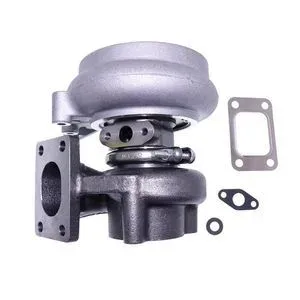
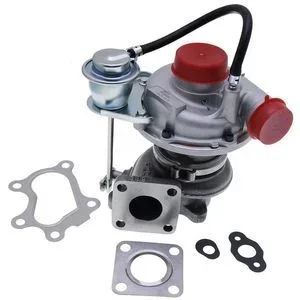
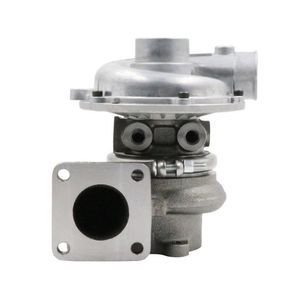
Matched Set Dispatch — Turbocharger 234-4894 ships alongside matched oil feed seals, intake gaskets, and overhaul components in a single verified consignment.
Technical Specifications
| Parameter |
Value |
| Part Number |
234-4894 |
| Product Type |
Turbocharger |
| Cross-Reference |
234-4894, 235-4964, 314-9972, 314-9898, 49189-02710, 49189-02711, 49189-02720, 49189-02721, 49189-10530 (reference only) |
| Machine Fitment |
236B, 236B2, 236B3, 242B3, 246B, 246C, 248B, 252B, 252B3, 256C, 257B3, 259B3, 262B, 262C, 262C2, 267B, 268B, 272C, 277B, 277C, 277C2, 279C, 279C2, 287B, 287C, 287C2, 289C, 289C2, 297C |
| Turbo Model |
TD04HL-13G-8.5 / TD04HL-13G |
| Engine Compatibility |
CAT 3044C, CAT C3.4, Mitsubishi S4S, Mitsubishi 4D31T A47GT |
| Turbine Wheel Material |
Heat-resistant alloy rated up to 900°C |
| Dynamic Balancing Tolerance |
Within 2 grams |
| Condition |
New Aftermarket |
| Warranty |
3–12 months against manufacturing defects |
| Certification |
ISO 9001 |
Application Suitability
| Engine System |
Related Components |
| Intake and exhaust path |
Air filter assembly, intake manifold gaskets, exhaust outlet gasket |
| Lubrication supply to turbo bearing housing |
Oil feed line, oil return line, oil filter, engine oil |
| Engine overhaul (when turbo fails during rebuild) |
Full overhaul gasket set, piston ring sets, main and con-rod bearings |
| Crankcase ventilation and blow-by management |
Crankcase breather, separator elements, associated hoses |
Why Turbocharger 234-4894 Failures Recur After a Straight Swap
Replacing the turbo without diagnosing the engine system that killed it guarantees a short-lived repair.
In African mining camps and construction sites, I have watched engines come back to the bench within weeks of a turbo replacement. The mechanic bolts on a fresh Turbocharger 234-4894, fires the engine, and the machine returns to work. Yet contaminated oil from a degraded feed line starves the floating bearing, or a collapsed intake hose chokes airflow, and the new turbo fails again. The root cause was never the turbo itself — it was the surrounding system [NEED_CITE: diesel engine turbocharger failure root cause analysis methodology]. A system-level approach addresses oil supply integrity, air intake restriction, and exhaust backpressure before the new unit ever sees boost.

The Turbocharger Sits Inside a Network of Dependent Systems
The TD04HL turbocharger on a CAT 3044C or C3.4 engine draws its lubrication directly from the main oil gallery and compresses air that has already passed through the air filter and intake ducting. Every Turbocharger 234-4894 replacement must therefore begin with a review of these upstream and downstream paths. A partially blocked oil feed or a degraded return line creates the exact conditions that destroyed the previous unit. Rebuild shops that order the turbo alongside fresh oil feed seals, intake gaskets, and a full engine gasket set close the loop on the most common recurrence paths.
Oil Feed and Air Path Verification Before Assembly
Before the replacement turbo spins up for the first time, the oil feed line should be flushed or replaced and the oil filter changed to eliminate particulate carryover. The intake tract from the air filter housing to the compressor inlet needs inspection for collapsed sections or debris buildup. On engines with significant service hours, the exhaust manifold and outlet gasket should be checked for cracking or carbon buildup that raises backpressure against the turbine wheel. These checks are non-negotiable in any serious CAT 3044C engine rebuild involving the turbocharger [NEED_CITE: engine rebuild pre-assembly cleanliness and system verification standards].
Heat Load, Balancing Precision, and Material Selection
The turbine wheel inside the TD04HL operates in exhaust gas reaching sustained high temperatures, which is why the heat-resistant alloy rating to 900°C matters for continuous duty cycles common in skid steer loaders and compact track loaders. Dynamic balancing within 2 grams protects the journal bearing from harmonic vibration that would otherwise accelerate wear and produce the characteristic whine of an unbalanced rotor. The TD04HL-13G-8.5 and TD04HL-13G designations differ in compressor trim and inducer geometry, meaning port orientation and flange pattern can shift between variants — confirming the exact build code against the engine serial number prevents misfit at installation.
The Hidden Cost of Treating the Turbo as a Standalone Part
A rebuild shop that installs a new turbo without replacing the oil feed line seals risks contaminated oil reaching the bearing housing within the first operating hours. An intake gasket reused past its service life introduces unmetered air, altering boost pressure and pushing the compressor map outside its efficient range. These are not theoretical concerns — they show up as oil consumption complaints, smoke under load, and premature shaft play that forces the engine back onto the stand [NEED_CITE: turbocharger warranty claim rejection patterns in aftermarket engine rebuilds]. The cost of a second teardown dwarfs the price of the gaskets and seals that would have prevented it.
Why Engine Rebuild Shops Source the Complete System Here
Self-produced lines and qualified sourced supply sit under one account with one warranty, so the turbocharger and its companion gaskets carry identical quality terms. Eight product categories mean the overhaul gasket set, oil feed seals, air filters, and the Turbocharger 234-4894 itself all ship in a single consignment rather than arriving from separate vendors on mismatched timelines. Minimum order from one piece accommodates the single-engine rebuild as easily as the fleet overhaul program. Cross-reference verification covers superseded numbers across engine serial variants, and the technical team confirms variant-specific details before dispatch. Sample supply lets rebuild shops verify fitment before committing to bulk quantities.
Documentation & Verification
- Commercial invoice listing turbocharger part number, variant code, and paired gasket set contents
- Cross-reference sheet mapping OEM numbers 234-4894, 235-4964, 314-9972, and Mitsubishi 49189-series for identification purposes only
- Quality inspection record showing dynamic balancing result within 2 grams before dispatch
- Warranty terms document covering manufacturing defects for the stated period
- Packing photographs confirming turbocharger protection and companion part inclusion
- HS code and customs documentation support for international engine parts consignments
Installation & Rebuild Sequence
- Flush or replace oil feed and return lines before mounting the TD04HL turbocharger to eliminate particulate ingress
- Install new intake and exhaust gaskets from the matched set rather than reusing compressed originals
- Prime the turbocharger bearing housing with clean engine oil before the first engine start to prevent dry-running damage
- Verify boost pressure and oil pressure at idle and under load during the initial run-in cycle
- Confirm no intake or exhaust leaks at all flange connections after the engine reaches operating temperature
- Record initial oil analysis sample to establish a baseline for ongoing turbocharger health monitoring
Requesting a System-Matched Quote
Provide the engine serial number, any previous rebuild history including oversize grades used, and the specific fault that prompted the turbocharger removal. This information allows the technical team to confirm the correct TD04HL variant and assemble the matching gasket and seal contents for a complete CAT 3044C engine system repair.
Frequently Asked Questions
Q: What other engine components should be replaced alongside the turbocharger during a rebuild?
A: The oil feed and return lines, intake manifold gaskets, exhaust outlet gasket, and oil filter should all be renewed. On engines with extended hours, the full overhaul gasket set ensures no reused seal compromises the new turbocharger. Pairing these items in one order eliminates the mismatched arrival problem that stalls rebuild completion.
Q: How do I confirm which cross-reference number matches my engine serial?
A: The listed OEM numbers span multiple engine serial variants and superseded part revisions. Providing your engine serial number and the build code from the existing turbocharger nameplate allows the technical team to isolate the correct reference. Cross-reference verification covers alternate and discontinued numbers for identification purposes.
Q: Are TD04HL-13G-8.5 and TD04HL-13G interchangeable on the same engine?
A: These designations differ in compressor trim and may have different port orientations or flange patterns. Installing the wrong variant can cause intake or exhaust misalignment. Confirming the exact engine serial and original turbocharger build code before ordering prevents fitment issues at assembly.
Q: Can the turbocharger be ordered together with a full overhaul gasket set?
A: Yes. The turbocharger ships alongside the matched overhaul gasket set, oil feed seals, and intake gaskets in a single consignment. This ensures all system-touching components arrive together, so the rebuild proceeds without waiting on a second delivery from a different supplier.
Q: What engine system conditions must be checked before installing the new turbo?
A: Oil supply line integrity, oil filter condition, intake tract restriction, and exhaust backpressure must all be verified. Any contamination or flow restriction in these paths will damage the new turbocharger rapidly. A system-level diagnostic prevents the repeat failure cycle that returns the engine to the rebuild bench.