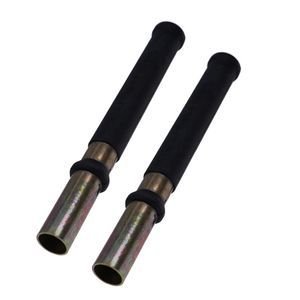
System-Matched Components — Thread pitch, seat profile and coating verified against Deutz 2011 series service data before dispatch.
Technical Specifications
| Parameter |
Value |
| Part Number |
04179404 |
| Product Type |
Oil Cooler Pipe Plug |
| Cross-Reference |
04179404, 04178036, 4179404, 4178036 (reference only) |
| Machine Fitment |
DL2011, BFL2011, BFL1011, 1011, 2011 |
| Thread Size |
M18×1.5 |
| Material |
High-tensile forged steel |
| Surface Treatment |
Phosphate coating |
| Hardness |
HRC 38–42 |
| Outer Diameter Tolerance |
±0.02 mm |
| Pressure Test |
15 bar |
| Operating Temperature |
Up to 120°C |
| Condition |
New Aftermarket |
| Warranty |
3–12 months against manufacturing defects |
| MOQ |
1 piece |
| Standards |
ISO 9001, ISO 4014 |
Application Suitability
| Engine System |
Related Components |
| Lubrication circuit oil return |
Oil cooler housing gasket, return line seals |
| Cooling system pressure boundary |
Cooler core O-rings, housing mounting fasteners |
| Engine overhaul reassembly |
Complete seal kit, thermostat housing gasket |
| Scheduled fleet maintenance |
Oil filter, cooler flush solvent, thread sealant |
Why a Simple Plug Triggers Repeat Teardowns in Deutz 2011 Rebuilds
The part costs little; the second teardown costs a full day of labour and fluid disposal.
In my years working across engine rebuild bays in the Yangtze River Delta, I have seen oil cooler pipe plugs replaced two or three times on the same Deutz DL2011 before the mechanic finally traced the real fault upstream. The plug itself was fine each time it was installed, but residual blockage in the cooler core caused pressure spikes that forced oil past the seat. A replacement plug fitted without flushing the circuit is a plug that will leak again within the first service interval. [NEED_CITE: lubrication system pressure spike causes in diesel engine rebuilds] This pattern shows up repeatedly across the Deutz 2011 family — the BFL2011 and BFL1011 share the same oil cooler architecture, so the root cause is nearly always system-level rather than component-level.
Where This Plug Sits in the Deutz Lubrication Loop
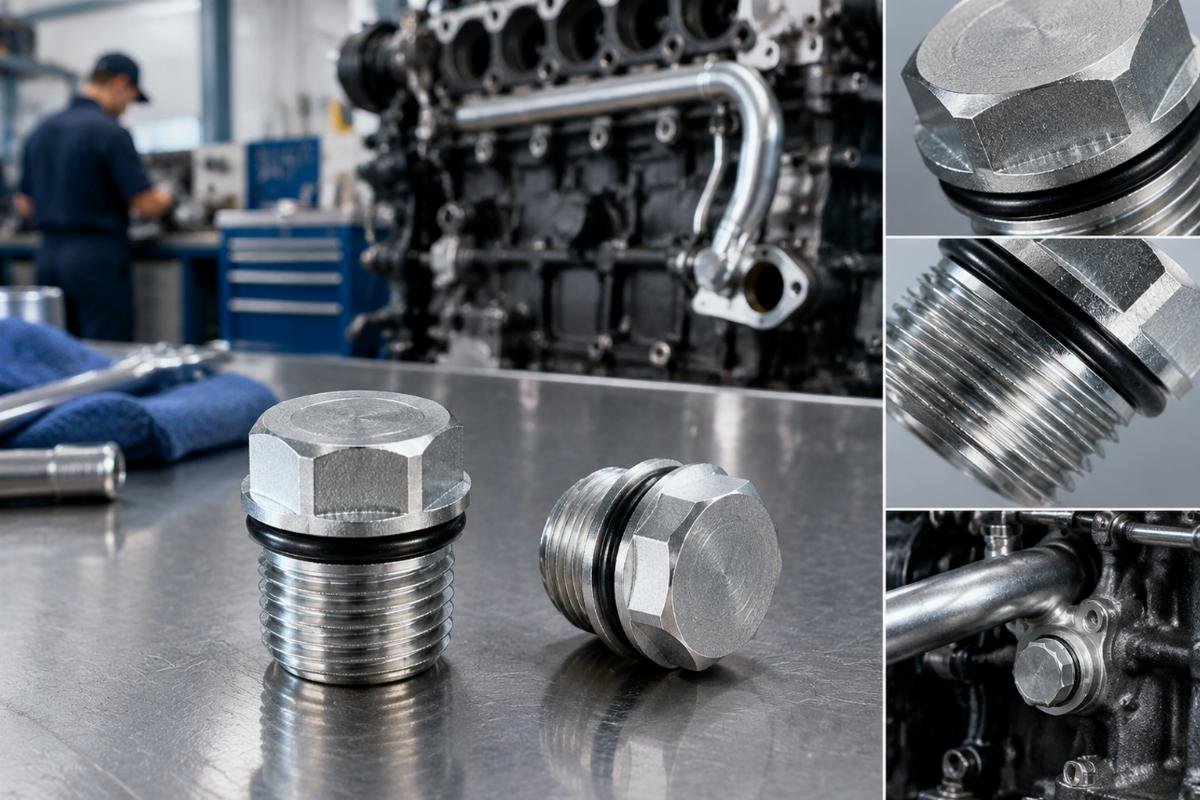
The oil cooler pipe plug 04179404 seals a junction in the oil return path between the cooler housing and the engine block gallery. During an engine rebuild, this is one of the last components torqued before filling, which means a faulty seal here will not show up until the engine is running and the oil is hot. In Deutz BFL2011 engines, this plug sits adjacent to the cooler core inlet, making it sensitive to any flow restriction upstream. Rebuild shops that treat it as a throwaway fastener rather than a system-boundary component regularly see comebacks within the first oil change interval.
Thread Engagement and the Rebuild History Variable
After a previous overhaul, the oil cooler housing may have been reworked — helicoiled, resurfaced, or replaced with a different casting revision. The M18×1.5 thread on this plug must match the housing seat profile exactly, or the phosphate coating will score on first torque. I always recommend checking the housing thread with a gauge before fitting a new plug, especially on Deutz DL2011 units that have seen multiple rebuild cycles. Engines with serial variants that transitioned between casting revisions may have slightly different seat depths, making a physical fitment check essential. [NEED_CITE: engine housing thread wear inspection standards for diesel rebuilds]
What the Specifications Actually Mean Under Heat
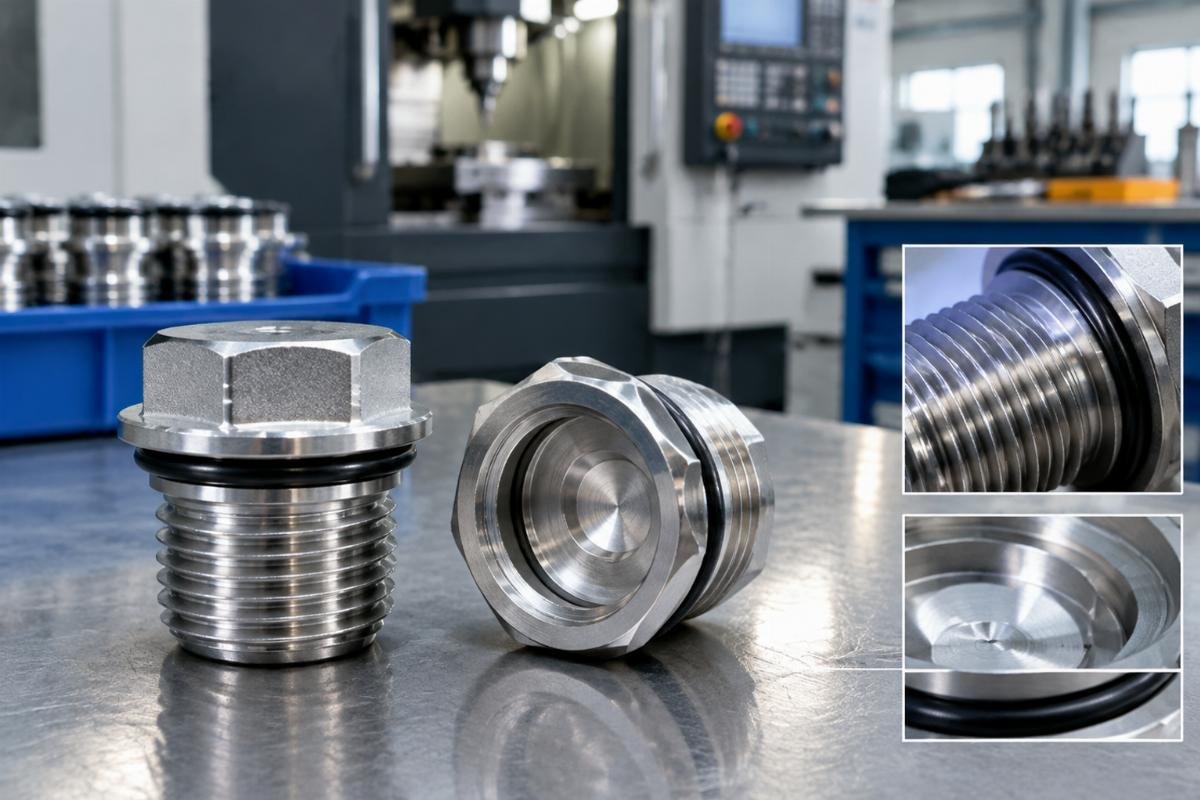
The HRC 38–42 hardness range is chosen specifically so the plug deforms slightly under torque rather than cracking the aluminium housing it seats into. The ±0.02 mm outer diameter tolerance ensures consistent interference across the thread flank, which matters when the engine cycles from cold start to 120°C operating temperature repeatedly. The phosphate coating serves as both corrosion resistance and an anti-galling layer — without it, steel-on-aluminium threads in an oil-immersed environment will seize by the second service interval. The 15 bar pressure test rating reflects peak system pressure during cold oil circulation, not steady-state running pressure.
The Cost Nobody Quotes on a Rebuild Invoice
When this plug fails prematurely, the engine is typically already reassembled, filled, and in some cases returned to the site. Draining, disassembling the cooler circuit, flushing, refitting, and retesting takes longer than the original assembly step. The secondary damage is harder to cost: contaminated oil from a slow weep can reach bearings before the leak is visually obvious. I have reviewed workshop records where the labour cost of diagnosing a repeat oil cooler leak exceeded the entire seal kit budget for that overhaul. [NEED_CITE: diagnostic labour cost impact of lubrication system micro-leaks in mobile equipment]
Why Rebuild Shops Source This Through a System Supplier
Our own production lines and qualified sourced supply both carry identical QC and warranty terms, so you do not need to track which channel a small part came through. The eight product categories in our catalogue mean this plug ships in the same consignment as the cooler gaskets, housing seals, and filter elements for the same Deutz 2011 job — eliminating the split-freight problem. We verify cross-references including superseded numbers like 04178036 against your engine serial, not just against a generic table. Sample supply is available for physical fitment confirmation before you commit to bulk quantities for a fleet overhaul programme. Our technical team will confirm grade and thread compatibility against your specific engine serial variant.
Documentation & Verification
- Commercial invoice listing part number 04179404 with engine model cross-reference
- Compatibility sheet noting reference-only OEM interchange numbers
- Dimensional inspection record covering thread pitch and outer diameter tolerance
- Warranty terms covering manufacturing defects on sealing surfaces
- Packing photographs showing plug condition at point of dispatch
- HS code and customs documentation for lubrication system components
Installation & Rebuild Sequence
- Verify housing thread with M18×1.5 gauge before plug installation
- Apply specified thread sealant compatible with phosphate coating
- Torque to Deutz service manual specification for cooler housing junction
- Pressure-test lubrication circuit to 15 bar before engine start
- Run engine to operating temperature and recheck plug seat for weeping
- Record plug fitment in engine rebuild log for next overhaul reference
Request a System-Matched Quote
Send your Deutz engine model, serial number, and any previous rebuild documentation so we can confirm whether the standard plug or a variant suits your housing revision. Include photos of the existing plug seat if thread condition is uncertain. We will return a fitment-verified part recommendation alongside the matching gaskets and seals your specific engine build requires.
Frequently Asked Questions
Q: What other seals and gaskets should be renewed alongside this plug during an oil cooler service?
A: On Deutz 2011 series engines, the cooler housing gasket, return line O-rings, and core sealing rings should all be replaced simultaneously. A plug renewal without adjacent seal renewal simply moves the next leak to the weakest remaining joint. We supply these as a matched set verified against your engine serial variant.
Q: How do I confirm this plug fits my specific Deutz engine serial variant?
A: Provide the full engine serial from the nameplate. Deutz 2011 family engines transitioned between housing castings across production runs, and thread seat depth can vary. We cross-check your serial against our fitment database and can ship a sample for physical verification before you commit to a full overhaul order.
Q: Is this plug suitable if the oil cooler housing was reworked in a previous rebuild?
A: It depends on the rework method. Helicoil inserts or resurfaced seats can alter the effective thread engagement depth. Send a photograph of the housing thread and any rebuild records. We will advise whether the standard plug will seal correctly or whether a different approach is needed.
Q: What system-level checks should I run if this plug failed prematurely?
A: Check oil cooler core flow restriction, oil pressure relief valve operation, and crankcase ventilation function. Premature plug failure on Deutz BFL2011 engines is rarely a plug defect — it is usually a symptom of abnormal pressure somewhere in the lubrication circuit that the plug happens to be exposed to.