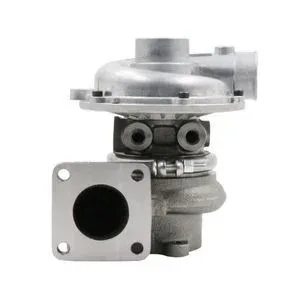
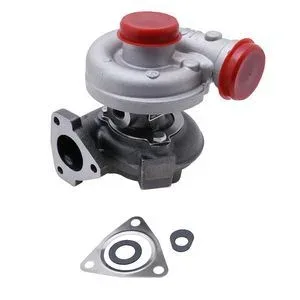
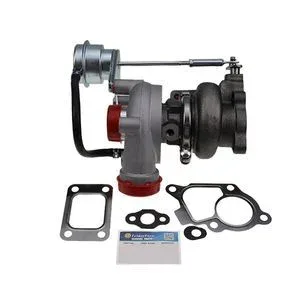
Matched Sets Shipped Together — Every RHF5 turbocharger for the 4JJ1X is dispatched with its mating gaskets and oil restrictor verified against the specific engine serial.
Technical Specifications
| Parameter |
Value |
| Part Number |
898185-1951 |
| Product Type |
Turbocharger |
| Cross-Reference |
898185-1951, VA430131, VB430131, VC430131, VD430131, 8980681970, 8-98068-1970, 898068-1970, 8 98068 1970, 8-98185-1951, 8981851951, F51CND-S0131B, F51CND-S0131G, F51CNDS0131B, F51CNDS0131G (reference only) |
| Machine Fitment |
ZX110-3, ZX110-3-AMS, ZX110-3-HCME, ZX110M-3, ZX110M-3-HCME, ZX120-3, ZX130-3-AMS, ZX130-3-HCME, ZX130K-3, ZX135US-3, ZX135US-3-HCME, ZX135US-3F-HCME, ZX135USK-3, PZX135USK-3F, CP220-3, 135D |
| Brand Fitment |
Compatible with Isuzu, Hitachi, John Deere |
| Engine Fitment |
Isuzu 4JJ1X |
| Condition |
New Aftermarket |
| Warranty |
3–12 months against manufacturing defects |
| Standards |
ISO 9001, ISO 8573-1 Class 2 |
Application Suitability
| Engine System |
Related Components |
| Emission & Exhaust |
EGR valve, intake manifold gaskets, intercooler hoses |
| Lubrication |
Oil feed restrictor, oil drain flange seal, oil filter |
| Air Induction |
Air filter element, pre-cleaner, intake ducting clamps |
| Overhaul Kit |
Piston rings, main bearings, full gasket set, valve stem seals |
Why the Turbo Fails Again Within Weeks of a Standalone Swap
A replacement RHF5 Turbocharger for Isuzu 4JJ1X Engine Rebuild fails early when upstream faults remain uncorrected.
I have watched shops in the Yangtze River Delta replace a burned turbo, hand the machine back to the site, and see the new unit seize within a few hundred hours. The root cause was never the turbo itself — it was coked oil feed lines, a collapsed air filter element, or an EGR passage choked with carbon. Treating the turbocharger as an isolated component ignores the system that destroyed the previous one. [NEED_CITE: diesel engine turbocharger failure root cause analysis]
Tracing Failure Back Through the 4JJ1X System
The Isuzu 4JJ1X relies on precise oil film stability at the turbo bearing and clean, metered airflow at the compressor inlet. When turbine-side oil coking occurs, it almost always traces to degraded oil or a restricted feed line. Compressor-side dust ingestion points to a bypassing air filter or a cracked intake hose. Addressing the RHF5 Turbocharger for Isuzu 4JJ1X Engine Rebuild without resolving these upstream conditions guarantees a repeat visit to the workshop.
Matching Variant to Engine Serial
Different production runs of the 4JJ1X can present minor differences in oil port orientation and exhaust flange detail. Confirming the engine serial number before ordering ensures the turbocharger variant aligns with the block casting. A mismatched port forces field adaptation, which introduces leak paths and uneven thermal loading. Our technical team cross-checks serial data against flange configuration before release. [NEED_CITE: Isuzu 4JJ1 engine serial variant identification procedures]
Reading the Specification Sheet for Real-World Impact
The ISO 8573-1 Class 2 cleanliness standard applies to the air and oil interfaces of this turbocharger, meaning internal passages are verified free of particulate that would score the journal bearing on first start. The RHF5 designation defines the turbine wheel geometry and compressor map — selecting a different frame size alters boost delivery and can push exhaust gas temperatures outside safe limits. The new aftermarket condition means all rotating assemblies are balanced as a unit, avoiding the vibration that prematurely wears thrust bearings.
The Cost of Skipping System Diagnostics
Installing a fresh turbo on an engine with unresolved lubrication or intake faults leads to bearing failure, shaft scoring, and compressor wheel contact with the housing. Each repeat teardown adds labor hours, consumes another gasket set, and extends machine downtime. The cumulative cost of two or three failed turbos far exceeds the time spent on proper system-level diagnosis before the first installation. [NEED_CITE: heavy equipment engine rebuild cost of repeat failures]
Why Procurement Starts with System Verification
Our facility produces selected turbocharger lines and sources the remainder from ISO-certified partners — both channels carry identical warranty terms and quality inspection protocols. Eight product categories allow a complete 4JJ1X overhaul kit, including matched gaskets and oil seals, to ship under one account. Minimum order is one piece, so a single emergency turbo dispatches without forced bulk. Part identification works from number, machine model, photograph, or nameplate image. Cross-reference verification covers superseded and alternate numbers so legacy engine builds are not left unsupported. A sample unit is available for fitment confirmation before bulk commitment.
Documentation & Verification
- Commercial invoice lists turbo part number and engine serial cross-check result
- Compatibility sheet marks all OEM numbers as interchange reference only
- Boost pressure bench test and oil seal integrity recorded per unit
- Warranty terms define coverage period and replacement procedure clearly
- Packing photographs show anti-vibration foam and reinforced carton condition
- HS code provided for customs clearance at destination port
Installation & Rebuild Sequence
- Flush oil feed and drain lines before mounting the RHF5 turbocharger to prevent startup scoring
- Verify exhaust flange gasket and manifold stud torque against 4JJ1X service manual values
- Pre-fill turbo oil cavity and crank engine without fuel to establish bearing lubrication
- Inspect intercooler hoses and clamps for collapse or leaks that would alter boost pressure
- Run initial break-in at varying load to seat turbine and compressor seals evenly
Preparing Your Inquiry
Provide the engine model, serial number, and any known overhaul history so we can confirm the correct turbocharger variant and recommend the matched gasket and seal set for your rebuild scope.
Frequently Asked Questions
Q: What other parts should be replaced together with the turbocharger during a 4JJ1X rebuild?
A: The oil feed restrictor, oil drain flange seal, exhaust manifold gasket, and intake hose clamps should all be renewed. Reusing aged seals introduces leak paths that compromise turbo bearing lubrication and boost integrity, leading to premature failure of the new unit.
Q: Does the overhaul kit include the correct oil feed gasket and drain flange seal?
A: Our matched supply pairs the turbocharger with gaskets verified against your specific engine serial. We review kit contents before dispatch to confirm every mating surface seal is present, eliminating mid-rebuild shortages that stall the workshop.
Q: How do engine serial variants on the 4JJ1X affect turbo port orientation?
A: Production changes across machine generations can alter oil port angle and exhaust flange bolt pattern. Providing your engine serial allows us to match the exact RHF5 variant, preventing field modification that creates leak paths and thermal imbalance.
Q: What upstream faults cause repeat turbo failure on this engine?
A: Turbine-side oil coking from degraded lubricant and compressor-side dust ingestion from bypassing air filters are the two dominant paths. Both originate in adjacent systems and must be resolved before the replacement turbo is installed to avoid repeat teardowns.
Q: How do I confirm my engine build matches this RHF5 variant before ordering?
A: Share the engine serial plate photograph or stamped number. Our technical team cross-checks flange configuration, port orientation, and any superseded part numbers to verify fitment before the unit ships.