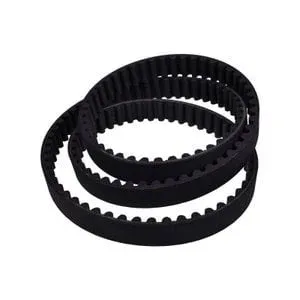
Matched Sets Shipped Together — Tooth count, width, and pulley surface condition verified against the specific Touring engine variant before dispatch, so the replacement belt and adjacent drivetrain components arrive as a single confirmed kit.
Technical Specifications
| Parameter |
Value |
| Product Type |
Belt |
| Part Number |
40024-04 |
| Cross-Reference |
1204-0063, 4002404, 12040063, 58-439, 58439 (reference only) |
| Machine Fitment |
FLHR Road King (2004-2006), FLHRI EFI Road King (2004-2006), FLHRC Road King Classic (2004), FLHRCI EFI Road King Classic (2004-2006), FLHRS Road King Custom (2004-2006), FLHRSI EFI Road King Custom (2004-2006), FLHX Street Glide (2006), FLHXI EFI Street Glide (2006), FLTRI EFI Road Glide (2004-2006), FLHT Electra Glide (2004-2005), FLHTI EFI Electra Glide (2004-2006), FLHTC Electra Glide Classic (2004-2005), FLHTCI EFI Electra Glide Classic (2004-2006), FLHTCSE2 EFI Electra Glide Screamin Eagle (2005), FLHTCUI EFI Electra Glide Ultra Classic (2004-2006), FLHTCUSE Electra Glide Ultra Classic Screamin Eagle (2006) |
| Tooth Count |
139T |
| Width |
28.5mm (1-1/8") |
| Condition |
New Aftermarket |
| Warranty |
3-12 months against manufacturing defects |
| Manufacturing Standard |
ISO-certified facility |
Application Suitability
| Engine System |
Related Components |
| Drivetrain power transfer — transmission to rear wheel |
Drive pulley, rear pulley, tensioner bearings, idler assembly |
| Scheduled touring drivetrain maintenance |
Pulley alignment hardware, sprocket surface prep supplies |
| Touring motorcycle overhaul — belt drive subsystem |
Compensator sprocket, primary chain adjustment, transmission output seal |
| Distributor stocking — high-turnover touring belt |
Cross-reference lookup sheets, fitment verification cards |
What Fails the New Belt Before It Ever Turns
Swapping the belt without diagnosing what caused premature wear guarantees the new belt will fail just as quickly.
A rear drive belt engine rebuild replacement demands more than matching a part number to a catalog entry. Misaligned pulleys, degraded tensioner bearings, and contaminated sprocket surfaces each introduce load patterns that destroyed the previous belt — and they will destroy the next one on the same timeline [NEED_CITE: drivetrain belt failure root cause analysis in touring motorcycles]. I once watched a repair shop replace a belt twice in a week because the compensator sprocket was running off-axis, a fault visible only when you trace the wear pattern across the tooth face rather than simply swapping the rubber component.

The Drivetrain System Around This Belt
The 139T rear drive belt engine rebuild replacement sits between the transmission output pulley and the rear wheel pulley, forming the final link in power transfer for Touring models. Tooth engagement depends not only on the belt itself but on the surface condition of both pulleys and the lateral alignment of their centerlines. When any one of these three elements drifts, tooth shear accelerates on one flank, and the operator reads it as a belt defect when it is in fact a system fault. Confirming the adjacent components before fitting the new belt is what separates a lasting repair from a repeat visit.
Tooth Count, Width, and the Build Variant That Decides Fit
The 28.5mm width and 139-tooth count correspond to a specific pulley specification tied to model year and engine build within the Touring range. A FLHTCI EFI Electra Glide Classic from 2005 and a FLHXI EFI Street Glide from 2006 may share platform architecture, but pulley diameters and tensioner travel differ between them [NEED_CITE: Harley Davidson Touring drivetrain specification variation across model years]. Verifying the exact model designation, engine variant, and existing belt part number against the cross-reference data eliminates the most common fitment errors. I have seen workshops order by machine family alone, only to find the tooth pitch correct but the width sitting a millimeter proud of the pulley flange — close enough to mount, wrong enough to shred within a few hundred kilometers.
Reading the Numbers That Matter
The 139-tooth count determines the effective pitch length and the arc of contact around the rear pulley, which directly governs load distribution per tooth under touring load conditions. A lower count would reduce contact area and concentrate stress, while a higher count would not physically wrap the pulley path on these models. The 28.5mm width matches the pulley groove specification for Touring platforms carrying the load-bearing demands of highway cruising with luggage and passenger weight. Tooth profile must correspond to the pulley form — a mismatch here produces uneven seating and accelerated flank wear that shows up as chirping at idle and progressive tooth loss under load.
The Cost Hidden Behind a Quick Swap
When a workshop installs a replacement belt without inspecting tensioner bearing play, idler surface scoring, or compensator sprocket runout, the new belt inherits the same destructive forces that killed the last one [NEED_CITE: belt drive system inspection protocols before component replacement]. The result is a belt that looks defective at warranty claim stage but was actually murdered by an unresolved adjacent fault. The hidden cost is not the belt price — it is the second teardown, the second set of labor hours, and the customer confidence that erodes with every return visit. Root-cause diagnosis before fitment is what keeps the repair lasting and the shop reputation intact.
Why Source This Component Through XUNPO
Own production on selected lines and qualified sourced supply under one account means this belt ships with the same QC and warranty terms regardless of manufacturing origin. Eight product categories mean the pulley hardware, tensioner bearings, and transmission output seal can ship in the same consignment — no second order, no split freight. Minimum order from one piece accommodates the single emergency replacement as readily as the distributor restocking run. Guangzhou warehouse stock supports fast dispatch on common Touring drivetrain items. Part identification works from the existing number, the machine model, or a photograph of the worn nameplate when the stamping is no longer legible. Cross-reference verification covers superseded and alternate numbers so that legacy part numbers resolve to the correct current specification. Technical team availability for compatibility and grade confirmation removes the guesswork before the order is placed.
Documentation & Verification
- Commercial invoice and packing list referencing belt part number and quantity per line item
- Compatibility and cross-reference sheet listing 1204-0063 and alternate numbers as reference only
- Dimensional inspection record confirming 139-tooth count and 28.5mm width before dispatch
- Warranty terms covering manufacturing defects for 3-12 months with claim procedure
- Packing photographs showing belt coiling method and protective wrapping prior to crate closure
- HS code and customs documentation support for international shipment of rubber drive components
Installation & Rebuild Sequence
- Clean both pulley faces and inspect for scoring before routing the new 139T belt over the rear pulley first
- Verify tensioner bearing free-play and idler surface condition; replace if lateral runout exceeds specification
- Set belt tension to manufacturer specification using a deflection gauge, not by feel, across the mid-span
- Confirm pulley centerline alignment with a straight-edge spanning both pulleys; correct any offset before final torque
- Rotate the rear wheel through multiple full revolutions by hand to confirm tooth seating before initial powered run
Before You Request a Quote
Provide the exact model designation, model year, and engine variant — FLHTCI versus FLHTC, EFI versus carbureted — along with any existing part number stamped on the old belt or listed in the service manual. If the nameplate is worn or the stamping illegible, a photograph of the pulley and the old belt laid flat with a ruler alongside allows our technical team to confirm tooth count, width, and cross-reference match before any order is placed. Mention any previous rebuild history or known pulley replacements so we can verify the belt specification matches the current build rather than the factory original.
Frequently Asked Questions
Q: What else should I inspect when replacing the drive belt on a Touring model?
A: Before fitting the replacement belt, check tensioner bearing play, idler surface condition, compensator sprocket runout, and both pulley faces for scoring or lateral misalignment. These adjacent components are what usually caused the original belt to fail. Replacing the belt without correcting the underlying system fault results in repeat failure within a short service window.
Q: How do I confirm this belt fits my specific model year and variant?
A: Provide the exact model designation, year, and engine type. Our technical team cross-references your existing part number against verified interchange data covering 40024-04, 1204-0063, and alternate references. We confirm tooth count and width against the pulley specification for your exact build variant, not just the model family.
Q: What caused the original belt to fail and how do I prevent it again?
A: Common root causes include misaligned pulleys, worn tensioner bearings, contaminated sprocket surfaces, and improper tension setting. Examining the wear pattern on the old belt — flank shear, heat cracking, or tooth delamination — reveals which system fault to correct before installing the replacement.
Q: Do different model years within the Touring range use the same belt?
A: Not always. While the 139T count and 28.5mm width cover many Touring models from 2004 through 2006, pulley diameter and tensioner travel vary between specific builds. Confirming the exact model and engine variant ensures the belt matches the current pulley specification rather than an assumption based on model family alone.
Q: Can I get a sample to verify fitment before committing to a larger order?
A: Yes. Sample supply is available for fitment confirmation before bulk commitment. This allows workshops and distributors to verify tooth engagement, width, and routing on the actual machine before placing a restocking order for the full quantity.