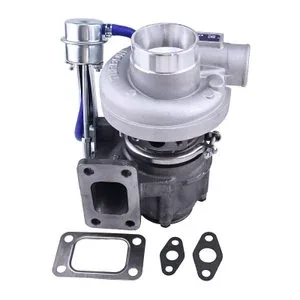
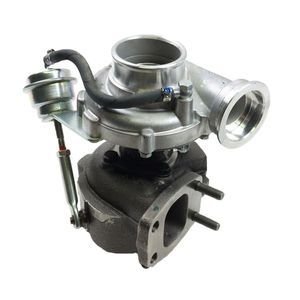
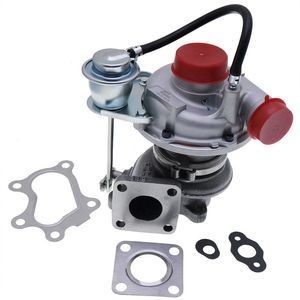
Matched Tolerances Confirmed — Engine serial and rebuild history verified before HX30W turbocharger dispatch to prevent mismatched oil port or wastegate configurations.
Technical Specifications
| Parameter |
Value |
| Part Number |
3592016 |
| Product Type |
Turbocharger |
| Turbo Model |
HX30W |
| Cross-Reference |
3800709, 3593089, 3593090, 4089476, 3536336, 3802741, 3537759, 3536337, 3592118, J592015, J592016, J536336, J802741, 76193234, 76193235, JR592015, JR802741, JC536336 (reference only) |
| Machine Fitment |
4BT 110HP, 4B3.9, 6B5.9, Ram Pickup Truck, R140LC-7 Excavator, 960 Trencher, 570LXT Loader, 580L Loader, 580SL Loader, 590SL Loader, 686G Telehandler, 686GXR Telehandler, 688G Telehandler, 8825 Windrower, 8860 Windrower, 8870 Windrower, 8825HP Windrower, 8860HP Windrower, DC100 Crawler Dozer, DC80 Crawler Dozer |
| Condition |
New Aftermarket |
| Warranty |
3-12 months against manufacturing defects |
| Quality Standard |
ISO-certified manufacturing partners |
Application Suitability
| Engine System |
Related Components |
| Forced Induction / Intake Air |
Air filter elements, intake piping clamps, intercooler hoses |
| Lubrication Supply & Drain |
Oil feed line fittings, oil drain flange gaskets, oil filter |
| Exhaust Manifold Interface |
Manifold-to-turbo gasket, exhaust clamp, heat shield hardware |
| Crankcase Ventilation |
Breather hoses, blow-by management components |
| Engine Overhaul (Complete) |
Piston ring sets, bearing shells, full gasket kit, turbo together |
Why Replacing the Turbo Alone Invites a Second Failure
The turbocharger is often the victim, not the cause.
In my years sourcing for rebuild shops across Europe and Central Asia, the most expensive mistakes happen when a failed turbo is swapped without tracing the fault upstream or downstream. A clogged oil feed line starves the new unit within hours. Excessive crankcase pressure from worn piston rings pushes oil past the turbine seal. Contaminated intake air erodes the compressor wheel. Each of these root causes will destroy a replacement turbocharger engine rebuild replacement just as quickly as it destroyed the first one. [NEED_CITE: common root causes of premature turbocharger failure in heavy-duty diesel engines] Addressing the system, not just the symptom, is the only way to keep the machine running past the break-in period.

The Forced-Induction Subsystem and Its Neighbors
This HX30W turbocharger sits at the intersection of three critical circuits: intake air, exhaust gas, and lubrication oil. During any turbocharger engine rebuild replacement, the oil feed line must be inspected for sludge or restriction, as even partial blockage reduces flow below the bearing requirement. The oil drain path must remain unobstructed; a restricted drain causes oil to back up into the turbine seal and carbonize. On the air side, the entire path from filter housing to intercooler piping should be checked for leaks or debris ingestion that could score the new compressor wheel.
Serial Variants and the Rebuild History Trap
Cummins 4BT and 6B5.9 engines span multiple production generations, and the turbocharger mounting configuration changed across them. Oil drain flange orientation, wastegate actuator bracket position, and compressor housing outlet diameter can differ even under the same base part number. If the engine has been rebuilt before, the crankshaft may have been ground to an undersize — a situation I encountered with a 4BT in a European distributor's fleet where standard-grade bearing shells were fitted to a reground crankshaft, causing oil pressure collapse and subsequent turbo failure. Always confirm the engine serial number and any prior overhauls before finalizing the turbocharger engine rebuild replacement order. [NEED_CITE: Cummins 4BT and 6B5.9 engine serial number variant identification for turbocharger fitment]
Reading the Specification Sheet Correctly
The HX30W designation defines the frame size and compressor family, but within that family the trim, A/R ratio of the turbine housing, and wastegate pressure setting determine whether the unit matches the engine's fuel map. A mismatched A/R ratio shifts the boost curve, causing either sluggish low-end response or excessive exhaust backpressure at rated RPM. The rotor assembly balance grade directly influences bearing life — an imbalance that seems minor on the bench becomes destructive at operating speed. The oil port thread specification must match the existing feed line fittings; forcing an adapter introduces a leak path and a restriction point simultaneously.
The Hidden Cost of Skipping the System Check
A turbo installed on an engine with unresolved crankcase blow-by will begin leaking oil past the turbine seal within the first operating cycle. The workshop then faces a warranty claim that is not a warranty issue — it is a diagnostic gap. The cost is not limited to the second turbo; it includes the labor to remove and reinstall, the machine downtime while waiting for the replacement, and the eroded trust between the rebuild shop and its customer. Every turbocharger engine rebuild replacement that fails early due to an unaddressed system fault represents a preventable loss. [NEED_CITE: total cost of repeat turbocharger failure including labor and machine downtime in construction equipment]
What Makes This Supply Channel Different
We produce selected part lines in our own facility and source the remainder from qualified ISO-certified manufacturing partners, so this HX30W unit carries the same quality control and warranty terms regardless of production origin. Eight product categories under one account mean the turbo, gaskets, oil lines, and filters for the complete rebuild ship in a single consignment. Orders start from one piece, which matters when a single engine is down and the full overhaul kit was not forecasted. Part identification is confirmed from the existing unit's nameplate, casting number, or a photograph when the plate is illegible. Cross-reference verification covers superseded and alternate numbers, catching errors that copied tables carry forward. A technical team is available to confirm wastegate type, oil port orientation, and compressor configuration against your specific engine serial.
Documentation & Verification
- Commercial invoice listing turbo model, cross-reference numbers, and engine compatibility
- Cross-reference sheet matching OEM numbers for identification purposes, marked reference only
- Dimensional and balance inspection record for rotor assembly before dispatch
- Warranty terms covering manufacturing defects and early-life operational failure
- Packing photographs showing protective packaging for housing and compressor wheel
- HS code and customs documentation for international turbocharger shipments
Installation & Rebuild Sequence
- Clean oil feed and drain lines thoroughly before connecting the HX30W turbocharger to prevent contaminant ingestion
- Verify oil drain flange orientation matches the engine block configuration for the specific serial range
- Prime the turbo oil cavity before first start to avoid dry-bearing damage during initial cranking
- Torque exhaust manifold-to-turbo fasteners to specification using new gaskets and hardware
- Run the engine at idle for several minutes before applying load to confirm stable oil pressure and boost response
- Inspect for exhaust and oil leaks at all new gasket and fitting interfaces after the first heat cycle
Request a System-Matched Quote
Provide the engine model, serial number, and any known rebuild history so we can confirm the correct HX30W variant, wastegate configuration, and oil port layout. If you are planning a complete overhaul, share the full component list and we will match the turbo with the corresponding gasket set, bearing grades, and filtration components in one shipment.
Frequently Asked Questions
Q: What gaskets and lines should be replaced alongside the turbo during a rebuild?
A: Replace the manifold-to-turbo gasket, oil drain flange gasket, oil feed line fittings, and intake/exhaust clamps at minimum. If the air filter element has not been changed recently, include it in the same order. Shipping these components together with the HX30W turbocharger avoids partial teardowns and ensures every interface gets fresh sealing surfaces during the rebuild session.
Q: How do I confirm which HX30W variant fits my Cummins engine serial number?
A: Send us the engine serial number and, if available, a photograph of the existing turbo nameplate or casting number. We cross-reference against production records to confirm the oil drain flange orientation, wastegate actuator bracket position, and compressor housing outlet size. This prevents receiving a unit that physically bolts on but has mismatched porting or boost characteristics.
Q: What system failures cause premature turbo damage, and how do I prevent repeat failure?
A: Clogged oil feed lines, degraded air filtration, and excessive crankcase blow-by from worn piston rings are the most common root causes. Before installing the new turbo, verify oil flow at the feed line, inspect the entire intake path for contamination, and measure crankcase pressure. Addressing these faults during the turbocharger engine rebuild replacement prevents the new unit from suffering the same fate.
Q: Can I order a complete intake and lubrication kit with the turbo in one shipment?
A: Yes. We supply the HX30W turbocharger alongside matching gaskets, oil supply line components, air filter elements, and intake clamps under a single order. This consolidated approach means the rebuild shop has every item needed to complete the intake and forced-induction repair without waiting on a second delivery from a different supplier.
Q: How do I verify the wastegate and oil port configuration before committing to a bulk order?
A: Request a sample unit for fitment confirmation on one engine before placing the bulk order. We provide dimensional photographs and inspection records with the sample so your technical team can verify wastegate actuator position, oil port thread type, and compressor outlet diameter against the engine build. This step eliminates misapplication across mixed fleets.